
Furnace Installation in Provo, UT
A new furnace here will run from September through May every year. Tell us about the house, and a licensed contractor who covers Utah County will get in touch.
Tell us about the job
It takes about a minute.
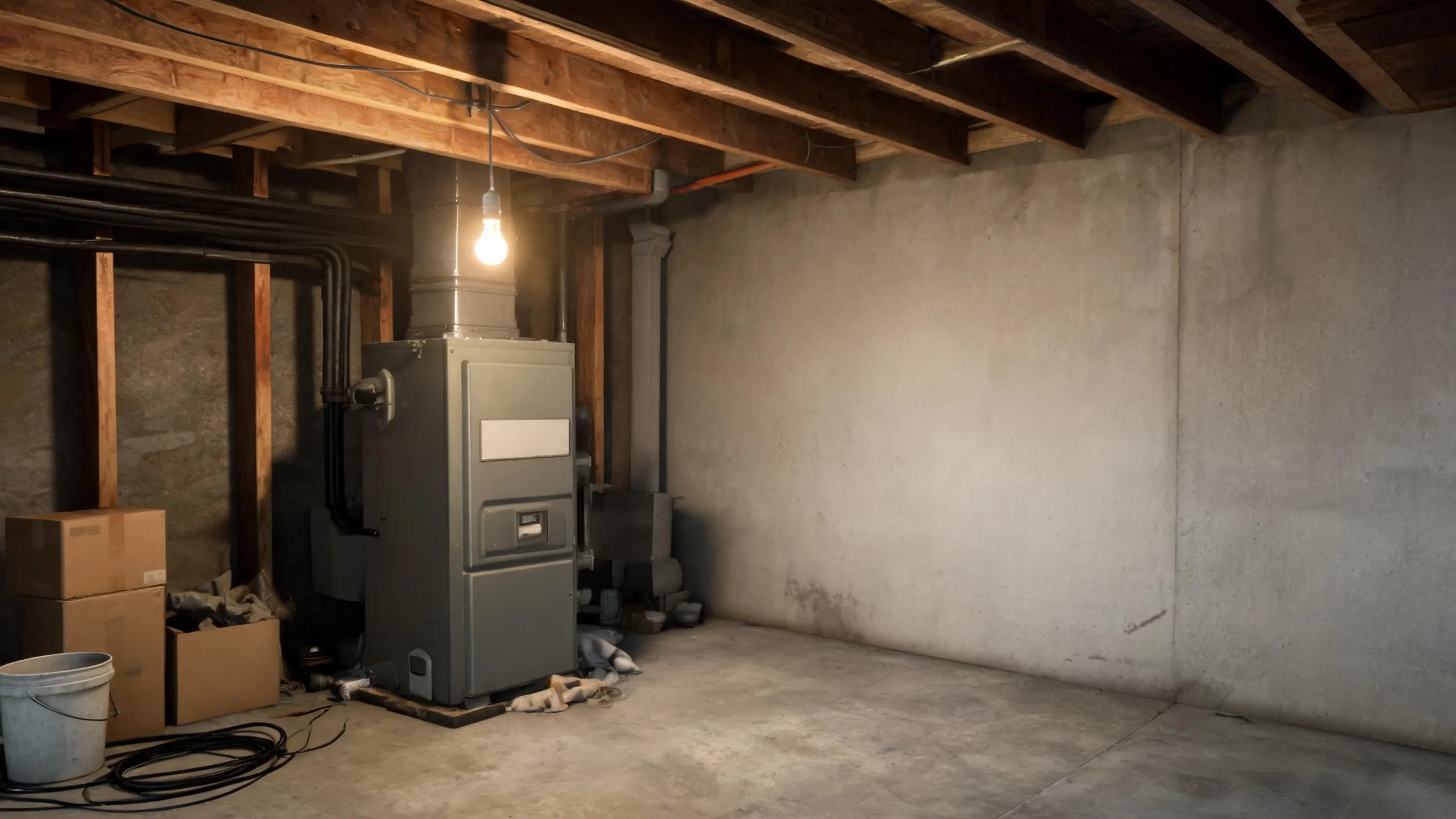
Nine months of heat, and nights that drop to 18°F
In Provo, a furnace works from September through May. That is 9 months a year, more than most machines in the house are asked to do. Winter nights average 18°F, so the burner is cycling on and off for a long stretch of the year, not just a few cold snaps.
Most homes here heat with gas, and any new furnace has to meet a federal minimum of 80.0 percent AFUE if it is a non-weatherized gas model. That is the floor, not a feature, so it is worth knowing what you are installing meets it and what more you might want beyond it. Utah has also seen its share of winter storms and wind events over the past ten years, and a share of households lose power for a day or more. Worth keeping in mind when you are choosing what will heat your home through the season.
- 9 months
- September through May, your furnace is on duty
- 18°F
- the average winter night it heats against
- 81%
- of homes here heat with gas, so most furnaces here burn gas
- 80% AFUE
- the federal minimum any new unit must meet
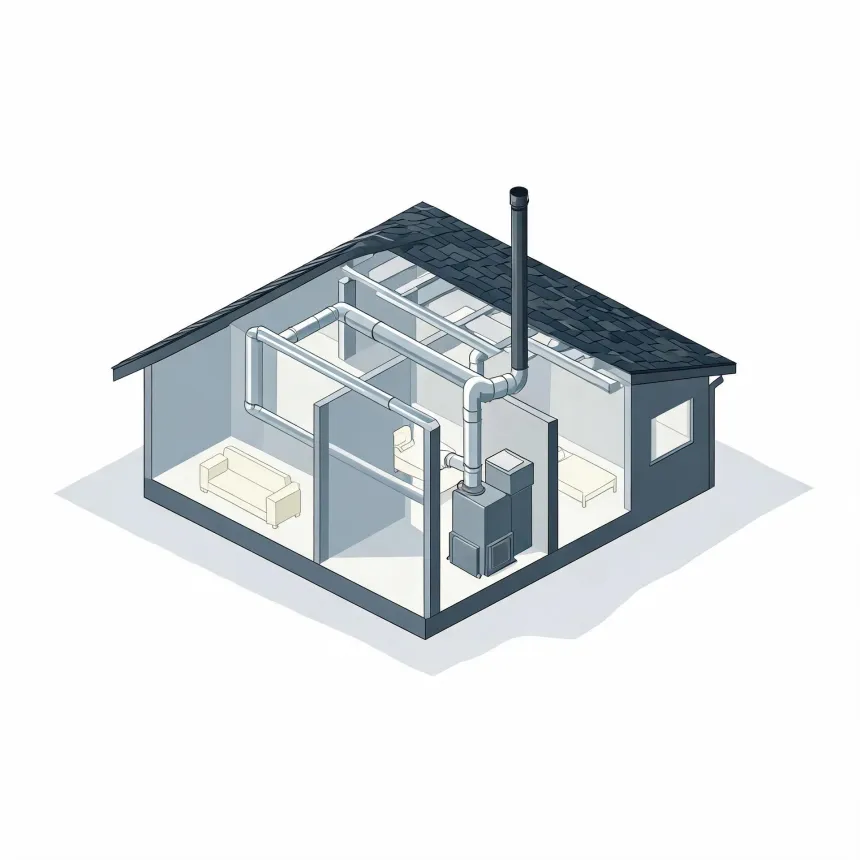
NOAA nClimDiv, 1991–2020 normals
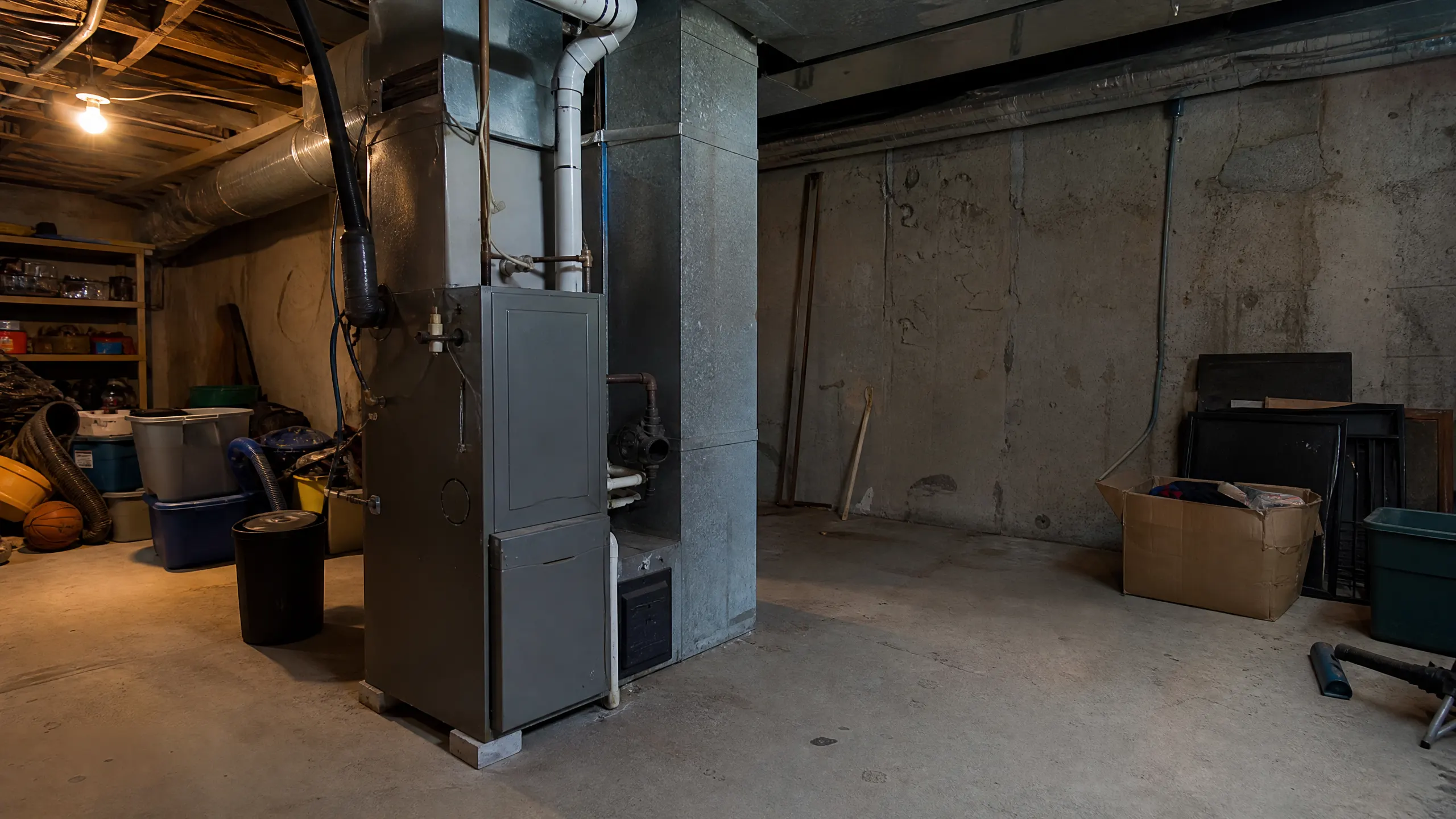
A high-efficiency gas furnace would save about $110 a year to run in Utah County compared with a gas furnace.
Estimates for a typical Utah County home, from EIA household energy data, Utah fuel prices and NOAA climate normals. Your home will differ.
Utah requires HVAC contractors to hold a state license.
The Division of Professional Licensing issues that license, and it covers the contractor as a business, not each individual job. Utah also sets a threshold where work under $7,000 does not need a licensed contractor, but a furnace installation runs well past that, so whoever does this job has to hold the state license.
The license is what stands behind the contractor for this work. Most cities and counties in Utah also require a permit for a furnace installation and an inspection once the work is done, which checks the gas connection and the venting, the parts of the job that matter most if something is done wrong. In Utah County, where most homes heat with gas, that inspection is the check on the physical work itself.
Sources: Utah State Legislature · Utah Department of Commerce
- What size furnace does my house need?
- The right size comes from a load calculation, not the square footage of your house alone. A contractor works through your insulation, windows, ceiling height, and layout to find how much heat your house actually loses on a cold night. That matters here, since winter lows average 18°F and your furnace needs to keep up from September through May. A furnace that's too big will short cycle and wear out faster. Too small, and it'll run constantly and still not keep you warm on the coldest nights.
- How do I know it's time to replace my furnace?
- Age is the first thing to look at, along with how often it's needed repair lately. Watch for rooms that won't heat evenly, a furnace that cycles on and off more than it used to, or a jump in your gas bill with no other explanation. If it's a standing pilot model, or an older non-condensing furnace, a licensed contractor can tell you whether replacement makes more sense than another repair. Homes here need heat from September through May, so a furnace that's struggling is worth having looked at before the cold months are over.
- Is a high-efficiency furnace worth it?
- It depends on how much your house runs its furnace and what your current one costs to operate. Every new non-weatherized gas furnace has to reach at least 80 percent AFUE, so even a baseline replacement today is more efficient than an older unit. High-efficiency models go further than that baseline, which matters more in a place where the furnace runs nine months of the year with winter nights averaging 18°F. A contractor can walk through the actual difference for your house, since the payoff depends on your current furnace's efficiency and how you use it.