
What are the signs your dryer vent is clogged?
You keep catching your clothes still damp after a full cycle, or you've noticed the dryer running hotter and longer than it used to. Maybe someone mentioned that a clogged vent is a fire hazard, and now you're paying closer attention. You just want to know what to actually check before it turns into a bigger problem.
Clothes that stay damp and a dryer that runs hot are the clearest signs
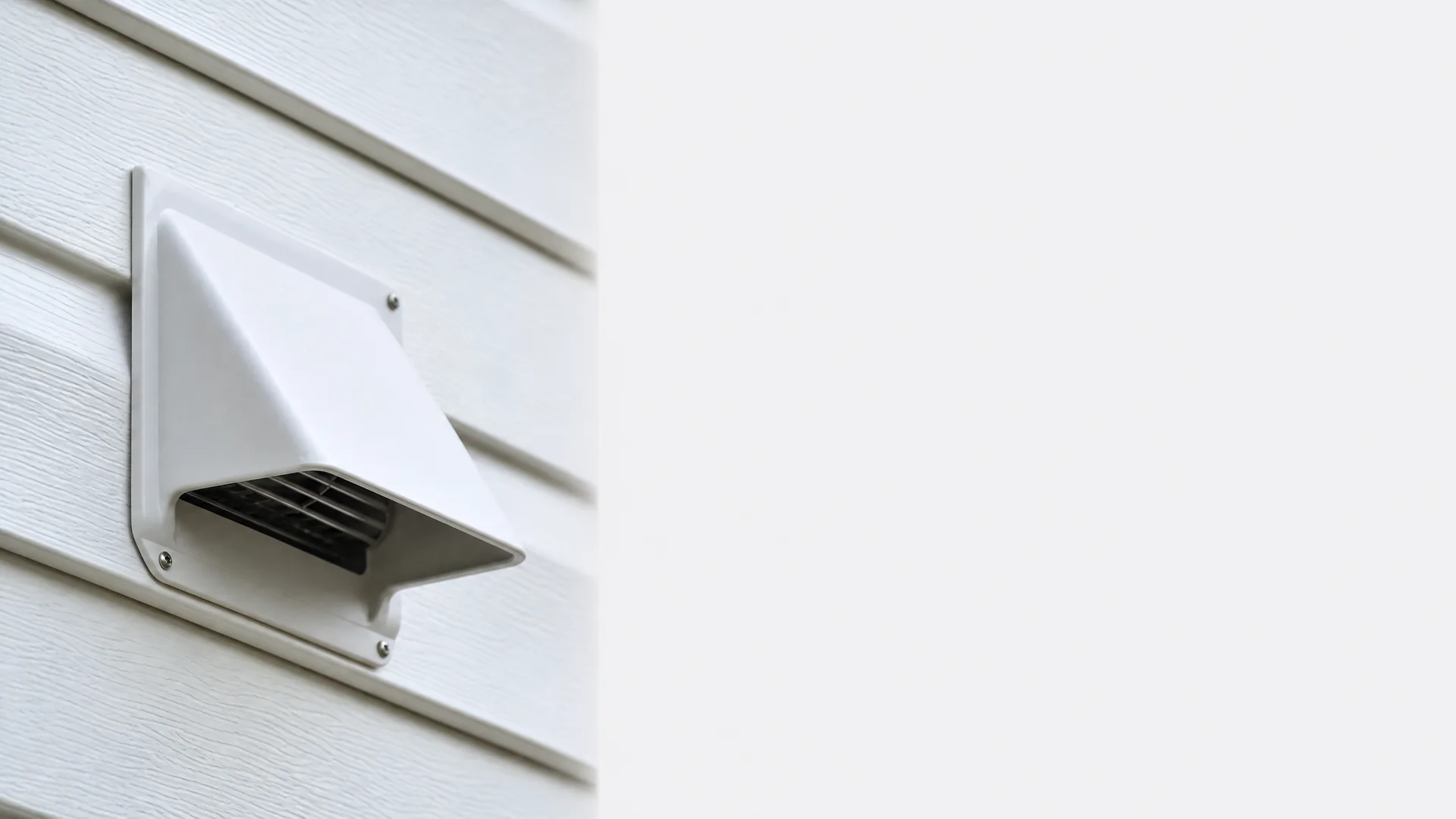
If a full cycle leaves clothes damp, or you have to run a second cycle to finish drying, air isn't moving out of the vent the way it should. The dryer works harder to push air through, so it runs hotter, and the outside of the machine may feel warm to the touch. Check the vent hood outside your house. If the flap barely moves or doesn't open at all when the dryer runs, lint has built up somewhere in the line. A burning smell during a cycle is another sign, since trapped lint sits near the heating element. In Utah's dry summer heat, lint collects just as fast indoors, so none of these signs wait for a particular season.

Lint builds up inside the vent duct, not just the trap.
Airflow drops, so hot moist air has nowhere to go.
The dryer senses the heat and runs longer to compensate.
Heat and lint trapped together raise the risk of fire.
Does this sound like what's happening in your laundry room?
Touch the clothes at the end of a cycle and they're warm but not dry, so you run it again. The outside vent hood barely moves when the dryer is on, or the flap stays shut instead of flapping open. Lint collects around the hood opening or on the ground beneath it. The dryer itself feels hot to the touch, or the laundry room warms up while it runs. You might catch a burnt smell that wasn't there before. In Utah's dry summer air, lint builds up fast and ignites easily, so a vent that can't push air out isn't just costing you time and gas, it's leaving heat and lint sitting together with nowhere to go.
Why a dryer runs hot and dry
Utah summers run hot and dry, and a dryer pulls warm air through to carry moisture out the vent. When lint packs the duct, that air has nowhere to go, so the drum heats up without the moisture leaving. The thermostat inside reads the high heat and shuts the cycle early sometimes, or keeps pushing heat into clothes that stay damp. Either way, the dryer is working against a blocked path, not a dry one.
The lint screen only does so much
The trap you clean after every load catches the big lint, but it was never built to stop all of it. Finer lint rides the airflow past the screen and settles along the inside of the duct, especially at bends and joints. Over time it narrows the passage the same way it would narrow any other hose. A dryer that vented fine a year ago can be fighting a half-blocked duct now, and the trap gives no warning either way.
Clear It Now or Let It Ride
Clean the vent now
- A straight shot of lint off the duct walls means the dryer senses less resistance and shuts off heat at the right time.
- Drying time drops back to one cycle, so the dryer isn't running an extra thirty or forty minutes to finish the same load.
- The outside vent hood flap opens fully again when the dryer runs, which you can check by watching it from outside.
- Lower run times mean less strain on the heating element and the motor, since neither is working against blocked airflow.
- With power cheap here, a shorter cycle still costs less than a long one, even though the savings aren't the main reason to clear it.
- A contractor local to Utah who clears vents every summer knows how fast lint packs in during the dry months and checks the full duct length, not just the trap.
Wait and keep running it
- Lint keeps collecting every load, so the clog gets tighter and the dryer works harder with each cycle.
- Heat has nowhere to vent, so it builds inside the duct and the drum instead of carrying outside like it should.
- Clothes come out warm instead of dry, which means a second cycle on top of the first almost every time.
- The heating element or igniter stays on longer trying to reach the set temperature, adding wear it wouldn't otherwise see.
- Trapped heat sitting against built-up lint is how dryer vent fires start, and that risk only grows the longer it sits.
- The vent hood flap stays shut or barely moves, a sign airflow is already cut down well before the dryer starts acting up.




Get the right pro for your dryer vent

Your request goes to one pro, not a list of companies.
No fee to send it, and nothing to sign.
Where the clog actually forms
- The lint trap only catches what's near the surface, so most buildup happens further down the duct where you can't see it.
- A clogged vent forces the dryer to pull air through a narrower path, so the drum motor and heating element both work harder.
- Lint is flammable, and when it collects near the heating element, the risk of ignition goes up with every cycle.
- The exhaust flap outside should open and close with airflow, so a flap that barely moves points to a blockage inside.
- Some dryers have a thermal fuse that trips when the vent gets too hot, which shuts the whole unit down as a safety measure.
- Birds and rodents sometimes nest in outdoor vent hoods, and that blockage reads the same as a lint clog from inside the house.
Most people picture the lint trap when they hear "clogged vent," but the trap only catches what's near the surface. The real buildup happens further down the duct, past where you can see or reach it, especially at bends or where sections join. As that lint packs in, the dryer has to pull air through a narrower and narrower path. The drum motor works harder to turn, and the heating element stays on longer trying to reach the temperature the dryer expects. That's the cycle that runs hot and long.
Lint doesn't just slow things down. It's flammable, and the closer it collects to the heating element, the higher the risk with every load you run. Some dryers have a thermal fuse built in for exactly this reason. When the vent gets too hot, the fuse trips and shuts the whole unit down rather than letting it keep heating against a blocked path. If your dryer stopped working outright rather than just running poorly, that fuse may be why.
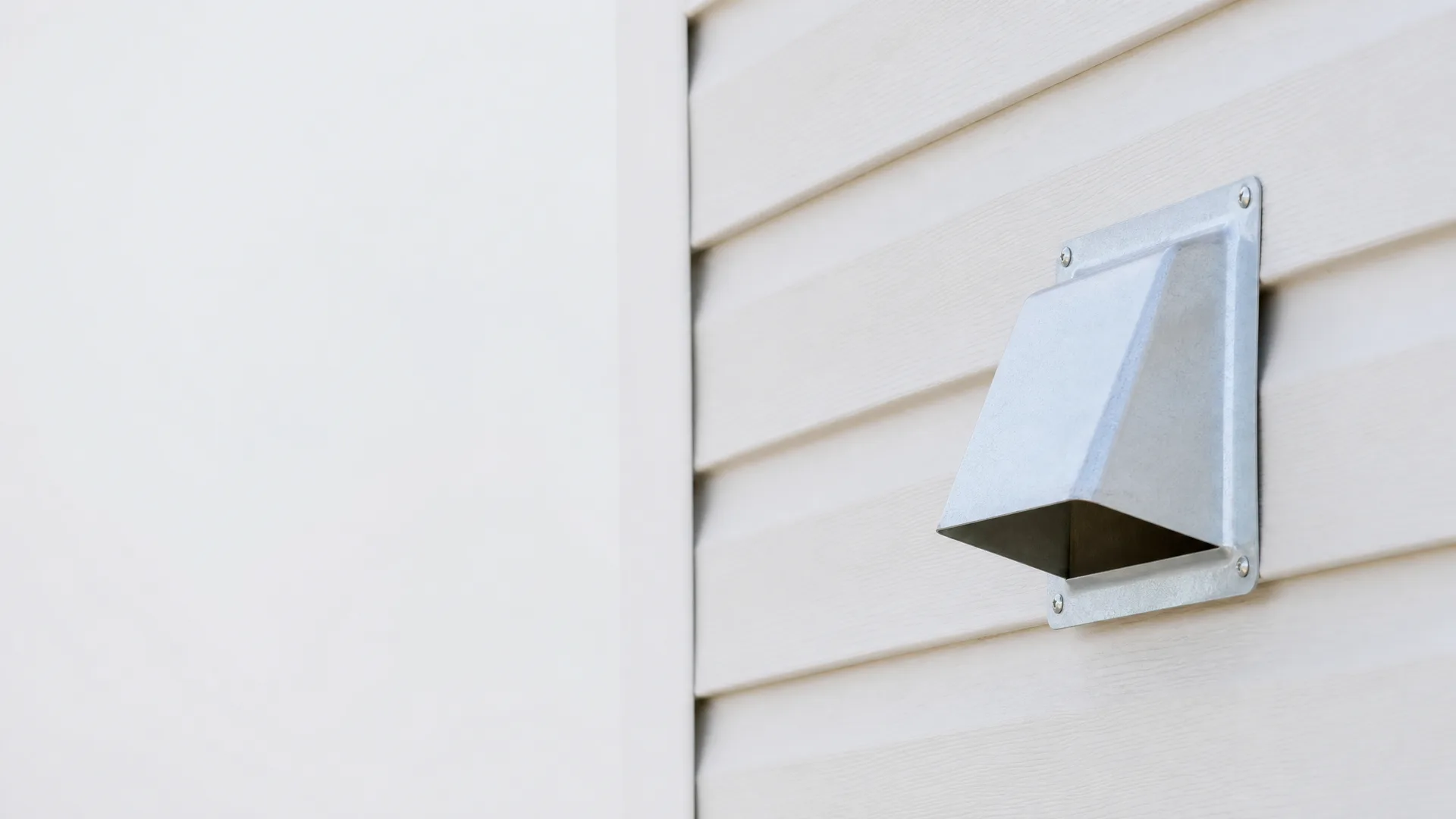
Outside, the exhaust flap is a simple way to check what's going on without opening anything up. It should swing open when the dryer runs and close when it stops. A flap that barely moves, or doesn't open at all, usually means something is blocking airflow on the inside. It's not always lint. Birds and rodents sometimes build nests in outdoor vent hoods, especially over summer, and that blockage shows up the same way a lint clog does.
Power costs 13.02 cents per kilowatt-hour statewide
At 13.02 cents a kilowatt-hour, running the dryer twice to get one load dry costs you real money, even with power this cheap. A clear vent means one cycle does the job, so you're not paying to heat the drum twice over.
EIA-861 2025 statewide residential average
A dryer that takes two cycles to finish a load, runs hot, or barely moves the vent flap outside is telling you the duct is packed with lint. That's the sign, and it doesn't go away on its own. A contractor who clears vents all year in Utah has seen every way a duct clogs, from a long run with too many turns to a bird's nest in the hood, and knows where to check first. When you request service, you're matched with one licensed local contractor, not a handful of companies competing for your callback. That contractor reaches out to you directly, already knowing the kind of setup common in homes here and what usually causes the airflow to choke off. You caught this before it turned into a bigger problem, which is exactly the kind of thing worth staying ahead of. Getting the vent cleared now means the dryer goes back to doing a load in one cycle, heating up the way it's supposed to and shutting off when the clothes are actually dry.

Dryer Vent Cleaning
A pro who works on dryer vents

- A local pro who knows dryer vents gets your details and gets in touch.
- Describe your dryer vent job, and a local pro who handles it gets in touch.

- After this form, you can stop searching for a dryer vent pro.
- One request and the search for a pro is handled.

- Describe your dryer vent job once, to one pro.
- Fill out one short form instead of calling around.

- Only one pro gets your request, so you hear from one company.
- Your request stays with one local pro.