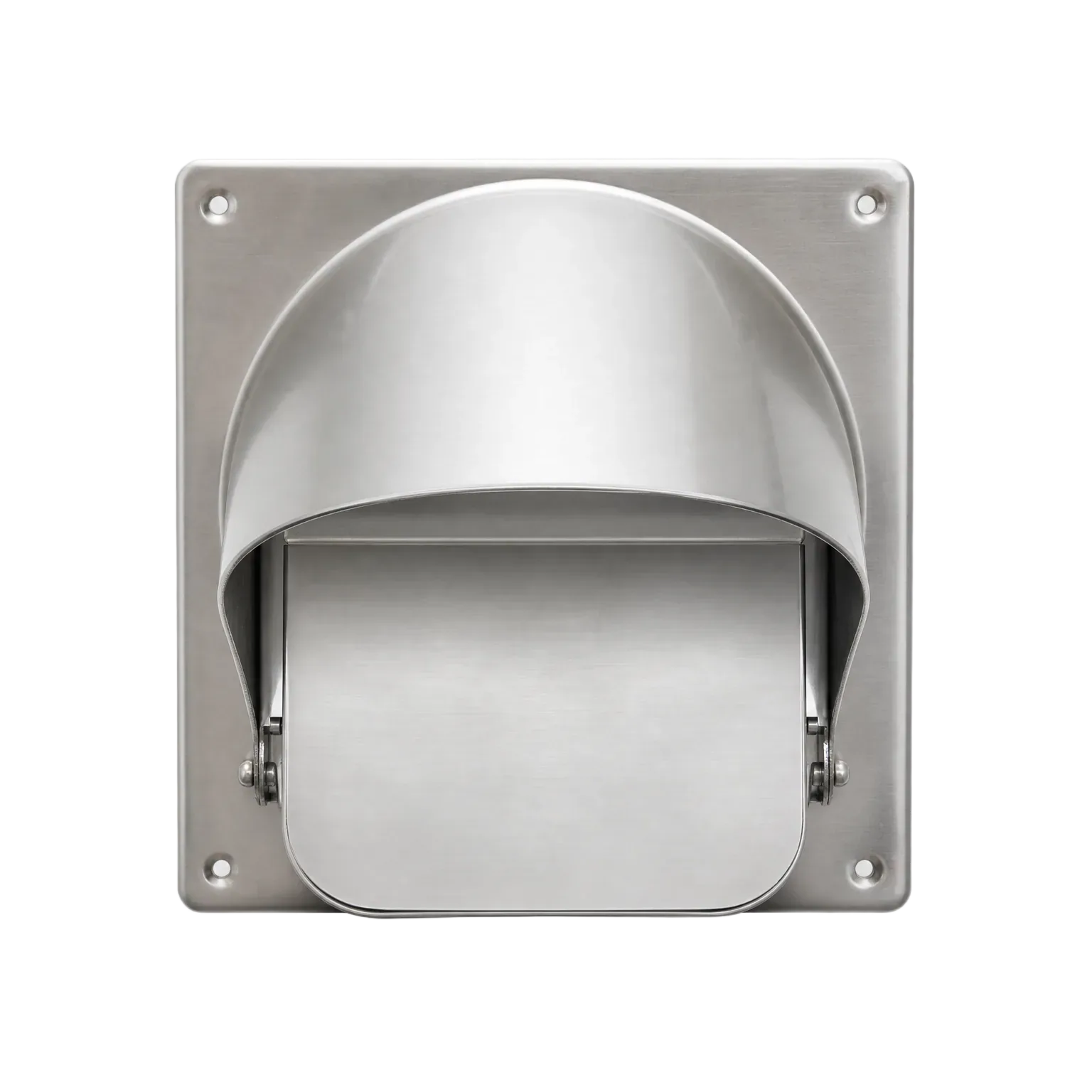
Vent clear
The louvers swing open wide when the dryer runs and snap shut after. No dust ring around the hood, no lint caught in the screen behind it. Air moves out in a steady push you can feel from a few feet away.
You've noticed something off with your dryer lately, maybe it takes two cycles to dry a load now, or the laundry room feels warmer than it used to. You're trying to figure out if this is a dryer problem or a vent problem before it turns into something worse. Knowing what to look for now can save you a repair bill or worse down the road.
A clogged vent blocks the hot, wet air a dryer needs to push outside. When lint packs the vent line, that air has nowhere to go, so the dryer runs longer and the clothes come out still damp or oddly hot to the touch. You'll also notice the outside vent hood barely moves when the dryer runs, or the dryer itself gets hot on the outside, or you catch a burning smell partway through a load. In Salt Lake County, where many homes run the dryer hard through the dry summer months and again during the cold stretch of winter, a clogged vent also means lint sitting against a hot duct for hours at a time, which is how small problems turn into real ones.

Lint screens trap most of the lint, not all of it. The rest rides the airflow down the vent and sticks to the inside of the duct, especially at bends. Over time that buildup narrows the path the air has to travel. A vent that runs straight out the back wall clogs slower than one that turns a corner or runs up through the attic, since every bend gives lint somewhere to catch.

A gas dryer heats the air, then pushes it through the drum and out the vent. When the vent is restricted, that heated air has nowhere to go, so the burner cycles more to keep the drum warm enough to dry the load. In Salt Lake City, where most dryers run on gas, that shows up as a longer burner run time and a warmer laundry room, especially once the dry Utah air stops doing any of the work for you.
Run a load and stand near the outside vent hood. You should feel a strong, steady push of warm air. If what you get is a weak puff, or nothing at all, air is backing up somewhere between the dryer and the outside wall. Inside the house, check the dryer itself after a cycle. The top or the front panel shouldn't feel hot to the touch, just warm. Clothes coming out damp at the seams or still smelling like the inside of the machine, not clean, points the same direction. So does lint showing up around the drum seal or on the floor behind the dryer. Left alone, a blocked vent keeps your dryer running hotter than it should, cycle after cycle, and that heat has nowhere to go but back into the machine and the room around it.
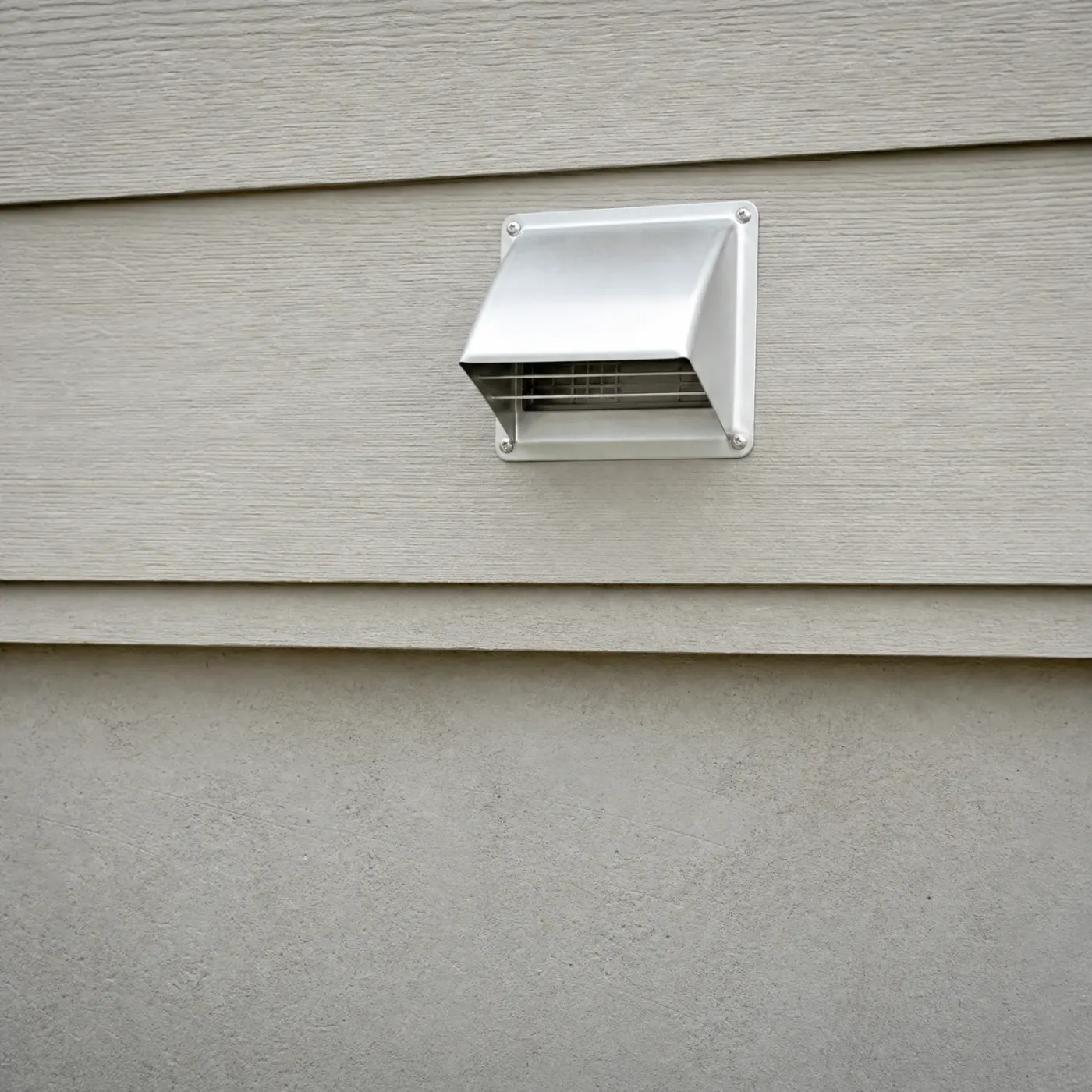
The louvers swing open wide when the dryer runs and snap shut after. No dust ring around the hood, no lint caught in the screen behind it. Air moves out in a steady push you can feel from a few feet away.
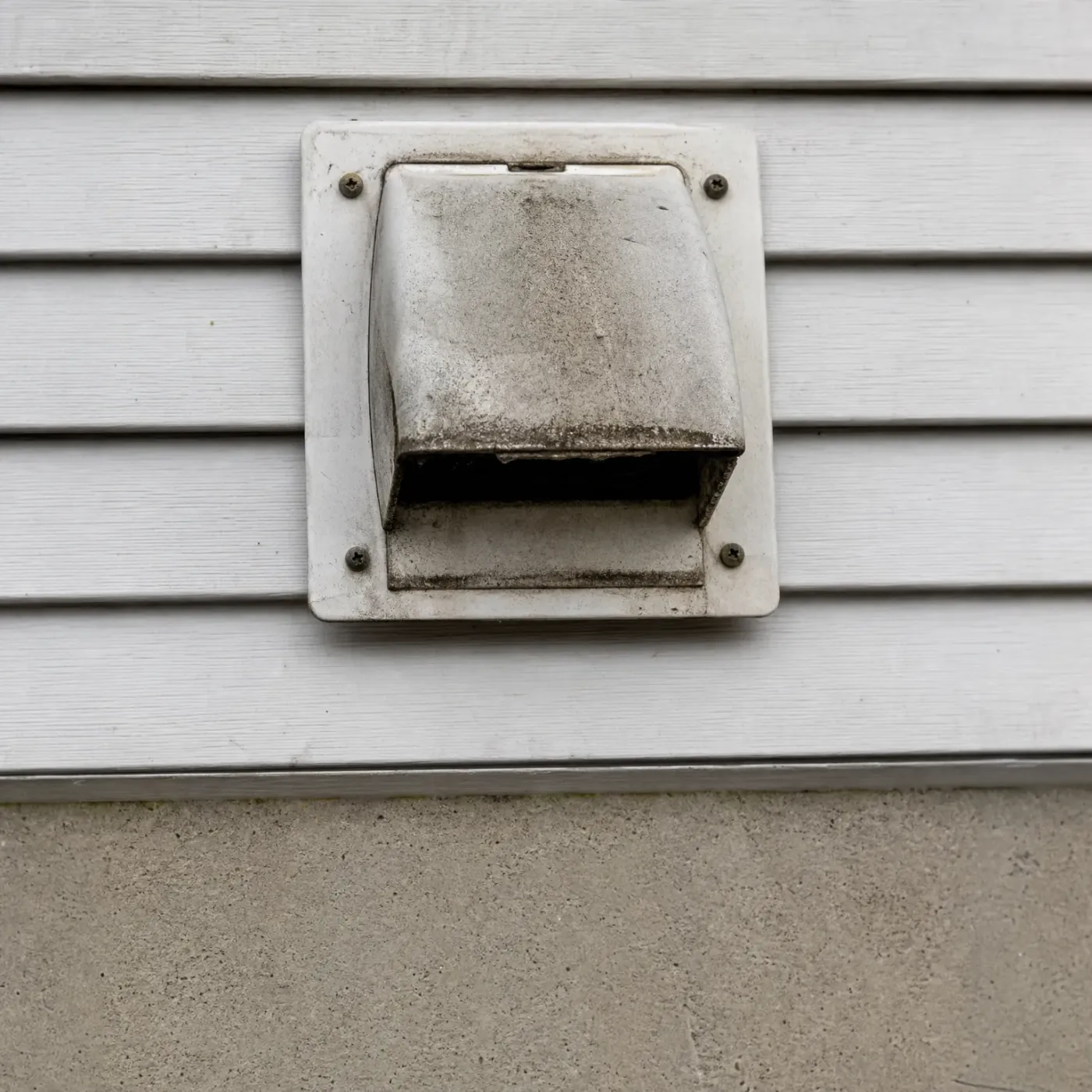
Lint has built up around the flap opening and across the hood itself. The louvers barely lift when the dryer kicks on, if they move at all. That gray buildup outside means a lot more of it is packed into the duct behind the wall.




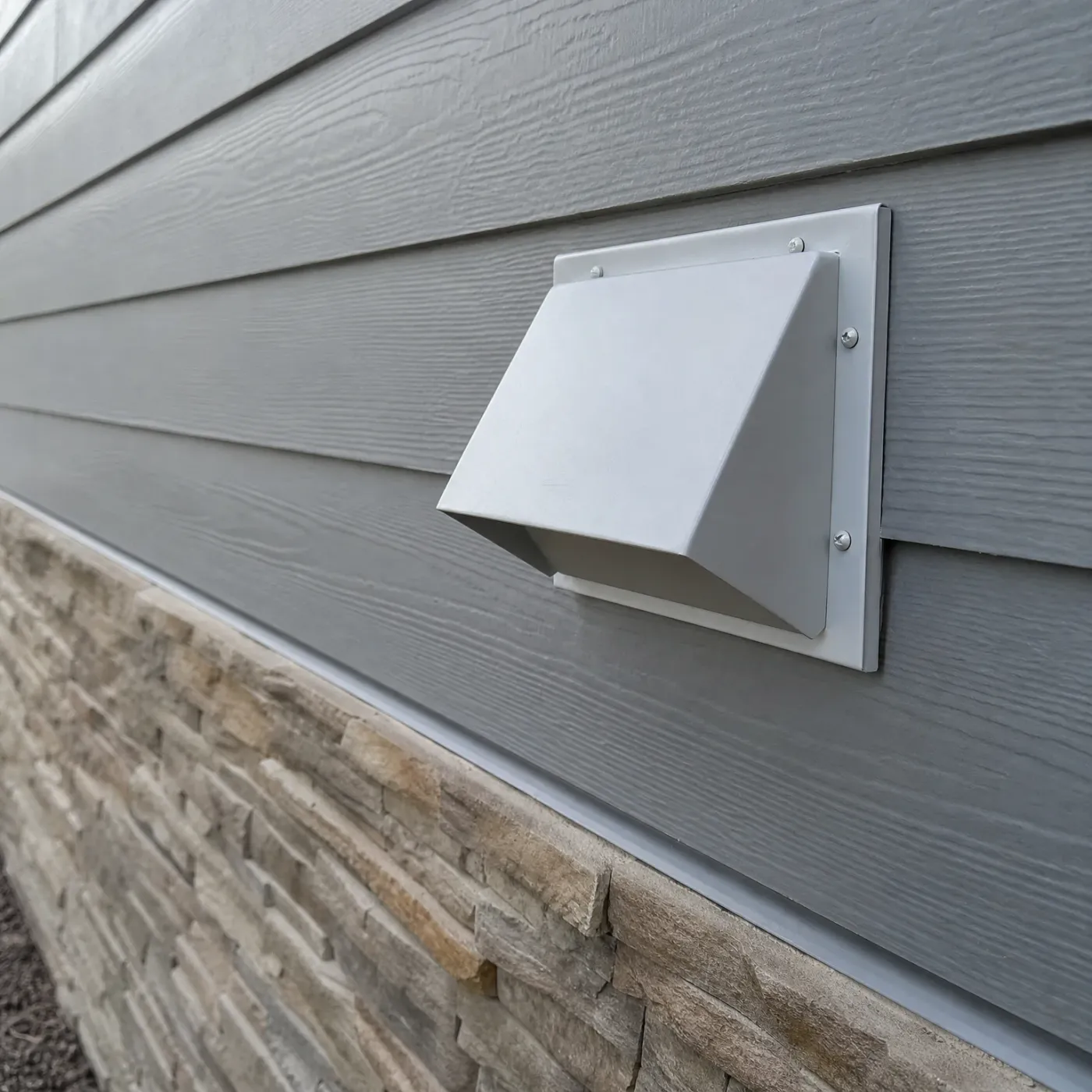
Explain the job once and skip repeating it on every call.
Send the form and finding a dryer vent cleaner is handled.
There's no charge for the request.
2.77 people per household on average
Salt Lake County households average 2.77 people, so most homes here run several loads a week. A slow vent means more of those loads back up at once.
Half the homes here were built by 1986
Half the homes in the county were built in 1986 or earlier, per the Census Bureau. A duct run that old has had decades to collect lint in its bends and joints.
Power here costs 13.41 cents per kilowatt-hour
Power here runs 13.41 cents per kilowatt-hour. A dryer fighting a clogged vent pulls more cycles to finish the same load, and that runs the meter longer than it should.
ACS 2020-2024 · EIA-861 2025
Hot air leaves the dryer drum carrying moisture and loose lint.
Air pushes through the duct toward the outside wall.
Lint catches on duct seams, screws, and bends along the way.
The buildup narrows, so the dryer works harder to push air out.

A dryer that can't push air out runs longer to finish the same load. You feel that in the laundry room first, it gets warmer than the rest of the house, and you smell hot lint instead of clean air. Leave it long enough and the heat has nowhere to go but back into the drum, which is hard on the dryer itself. Some homes in Salt Lake County vent through the attic or a long run to an outside wall, and a blocked vent means that heat and moisture sit in the duct instead of leaving the house.
Once you've noticed the signs, the next step is finding someone who can clear the vent properly, not just vacuum what they can reach from the hood. That usually means calling a few companies, asking if they do vent cleaning versus just appliance repair, and waiting to see who calls back. Send the form here instead and that search is done. You won't be explaining the problem from scratch to three different people or guessing which quote actually covers the full vent run.


Air pushes the flap open wide while the dryer runs and the flap falls shut the moment it stops. The screen stays clean and the siding around it stays free of any dust ring.

The flap sits half open even with the dryer off, propped up by lint packed behind it. Air can't push it open all the way, so it never shuts flush again.


You catch it at the screen and the first few feet of duct, where a brush and a vacuum can still reach.
Lint already packed into a bend halfway down a long run, or sitting right at the outside hood, needs someone who can clear the whole line, not just the part you can see.
With 2.77 people in the average household here, most homes run a load almost every day. That's a lot of lint moving through the same duct week after week. A vent that's slow to clear backs up faster in a house doing that much laundry than it would in one running a load or two a week.
ACS 2020-2024
A dryer that takes two cycles, a laundry room that runs warm, a hood flap that barely moves when the dryer is on. Any one of those is the vent telling you it can't push air out the way it should. You don't need all three to know something's wrong, and you don't need to guess at which part of the duct is holding the lint. What you need is someone who can run a brush the full length of that line, from the drum to the outside wall, and confirm the flap snaps shut clean when the load ends. Finding that person is the part that eats your afternoon, calling around, explaining the same thing to three different companies, waiting on quotes that come in different formats and comparing them against each other. Send the form once and that work is off your plate. You'll know where you stand with your vent, and you won't have to be the one who tracks down who can clear it.

Skip searching for a dryer vent pro and answer a few questions instead.