Is a clogged dryer vent actually a fire risk in Utah?
You run a load of laundry most evenings and you've noticed the dryer taking longer to finish, or the outside vent flap barely moving when it's running. Somewhere you read that lint buildup can start a fire, and with Utah's dry air all summer, that sounds like something worth taking seriously instead of putting off another month.
Yes, a clogged vent is a real fire risk
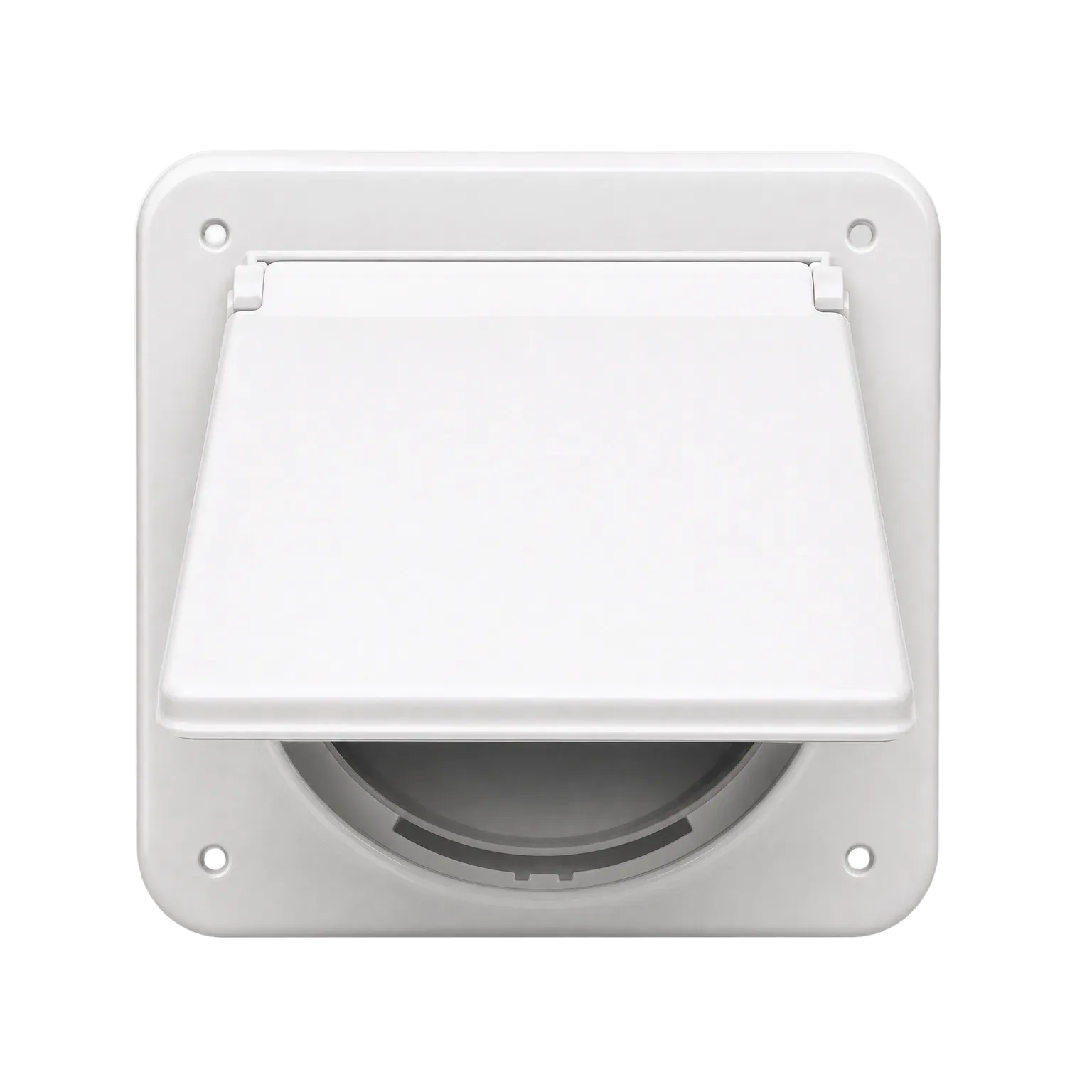
Lint is the fuel. It builds up inside the vent duct every time you dry a load, and it catches fire easily once the duct gets hot enough. A clogged vent traps that heat instead of letting it escape outside, so the air around the lint keeps climbing. Utah's dry summer air makes lint drier and faster to catch than it would be somewhere humid. Most homes here run gas dryers, and a blocked vent also makes it harder for the gas burner to vent properly, which adds a second problem on top of the fire risk. If your dryer is taking longer than it used to, or the vent hood outside barely flaps when it runs, that's the warning sign.




What are the signs your vent is clogged
A load that used to take forty minutes now takes an hour or more. The top of the dryer feels hot to the touch partway through a cycle. The laundry room gets warmer than the rest of the house, or smells faintly like something's burning even though nothing is. Clothes come out hot and slightly damp instead of dry. Outside, the vent flap barely lifts when the dryer is running, or you notice lint collecting around the hood itself. Any one of these means air isn't moving through the duct the way it should, and the heat the dryer produces has nowhere to go but back into the machine and the room around it. Left alone, that's how the lint catches.
It's almost nine on a Tuesday and you're still in the laundry room. The dryer's been running since before dinner and the towels on top of it are still damp where you pulled them out to check. You open the door and the heat rolls out at you, thicker than it should be. Through the small window you can see the drum still turning, going nowhere. Outside, past the dark kitchen, you know the vent flap is barely lifting, the way it's been for weeks now. You pile the damp towels back on top and start the cycle again, and you stand there a second longer than you need to before you walk away.
Let someone else find the pro
A dryer that's taking an extra half hour every load is pushing hot, lint-laden air somewhere it shouldn't sit for that long, and in a dry climate like Utah's that lint ignites easier than you'd think. You already know the signs by now. What's left is finding someone who'll actually clear the vent out, not just the lint trap, and that's its own chore: looking up duct cleaning companies, calling a few, describing the same thing three times over, waiting on quotes that may or may not be comparable. Send the request here and that part is done. You won't be the one tracking down who's available or sorting through bids. A contractor who does this work gets your information and takes it from there. The dryer still needs to get fixed, but you're no longer the one hunting for who's going to fix it, and that's one less thing sitting on your list tonight.

Lint is the fuel, not the wire
A dryer fire doesn't start because a wire is bad. It starts because lint built up somewhere near the heating element and had enough air moving past it to catch. Lint is paper-dry, packed loose, and sits right in the path of the heat the dryer makes on purpose. The vent's job is to carry that heat and lint outside before either one has time to sit still.

Why Utah's dry air matters
Lint picks up moisture from the air around it, and in a lot of places that keeps it from catching easily. Utah doesn't give it that moisture. Dry summer air here means the lint sitting in your vent stays dry too, and dry lint catches faster than damp lint does. A clogged vent in a humid state and a clogged vent here aren't carrying the same risk.
Power costs 13.02 cents per kilowatt-hour statewide
A clogged vent makes the dryer run longer to finish the same load, and at 13.02 cents a kilowatt-hour that extra hour shows up on your bill. The cost is the small problem. The heat and lint sitting in the duct that whole extra time is the one that matters more.
EIA-861 2025 statewide residential average
A clogged dryer vent is a real fire risk, not a maybe. The longer a load takes, the hotter the air sitting in that duct gets, and the lint packed along the way is what catches. You've seen the signs already: the long cycles, the hot top panel, the warm laundry room. None of that fixes itself by running another load. What it takes is someone getting into the vent and clearing it out, start to finish, the whole run from the back of the dryer to the outside flap. You don't have to spend tonight searching for who does that in Utah, calling around to see who's free, explaining the same thing three times over, or sitting with a stack of quotes trying to guess which one is fair. Send the form and that part is done. Someone qualified takes it from here.

Dryer Vent Cleaning
One request and it's handed off

- A local pro who cleans dryer vents gets in touch with you.
- Your dryer vent cleaning request goes to a local pro who does this work.

- Send the form and finding a dryer vent cleaner is handled.
- Once you send the form, finding a pro is off your list.

- Answer a few questions instead of calling shop after shop.
- Fill out one short form instead of calling around.

- Your dryer vent cleaning request goes to one local pro.
- The pro who reaches out is licensed in Utah.