
Dryer taking too long to dry in Ogden, UT
Hand it offA load that used to take forty minutes now takes two hours, or three, and sometimes it still comes out damp. That's usually the vent, not the dryer itself. Lint builds up along the duct run, and in a lot of Weber County homes that run is longer than it looks, out through a wall and down before it reaches outside air. The heat the dryer makes has nowhere to go, so it just keeps tumbling wet clothes. Finding someone who clears these out right is the part that eats your afternoon, the searching, the calling around, explaining the same thing to three different people, trying to tell which quote is actually fair. Send this form instead and that part is off your plate. You're not stuck sorting through names and numbers trying to guess who's worth the call. Someone local who does this work gets your information and takes it from there.
Why is my dryer taking forever to dry clothes?
You've noticed a load that should take under an hour now runs through two or three cycles, and sometimes the clothes still aren't fully dry when the buzzer goes off. You haven't changed how you load the machine or what detergent you use, so it's natural to wonder if the dryer itself is wearing out, or if something else is going on that's worth checking before you replace anything.
A clogged vent is blocking the airflow your dryer needs
Your dryer dries clothes by pushing hot, wet air out through the vent duct. When that duct is packed with lint, the air has nowhere to go, so the moisture stays in the drum instead of leaving the house. The dryer senses the clothes are still damp and keeps running, cycle after cycle. In Weber County homes, vent runs are often longer than they look from the laundry room, with bends that trap lint well before it reaches the outside hood. A blocked vent also means the dryer is working harder than it should, which shows up as a hotter laundry room, a burning smell, or a dryer that shuts off on its own partway through.




A dryer doesn't run on a clock. It runs until a sensor near the exhaust reads dry air, then it shuts the heat off. That's the whole system. When the vent is clear, moist air leaves the house fast and the sensor reads dry within a cycle most people would call normal. When the vent is choked with lint, that air has nowhere to go. It sits in the drum, the sensor keeps reading damp, and the burner or heating element keeps firing to chase a dryness that never arrives. The lint causing this usually isn't spread evenly down the duct. It collects at bends, and heaviest right where the vent meets the cap on the outside wall. That cap has a flap that's supposed to swing open when air pushes through it. If you've gone out and watched it barely move while the dryer runs, that's airflow strong enough to vent lint but too weak to vent moisture fast. Meanwhile the burner is cycling the whole time, pulling gas or power whether the load finishes in forty minutes or three hours.
How the dryer decides it's done
- A dryer senses dampness through an exhaust thermostat or moisture sensor, and it keeps heating until that sensor reads dry air, not a set time.
- When the vent run is clogged, hot moist air backs up into the drum instead of leaving the house, so the sensor keeps calling for more heat.
- The gas burner or heating element cycles on and off during a normal run, and a blocked vent forces it to cycle far more than it was built to.
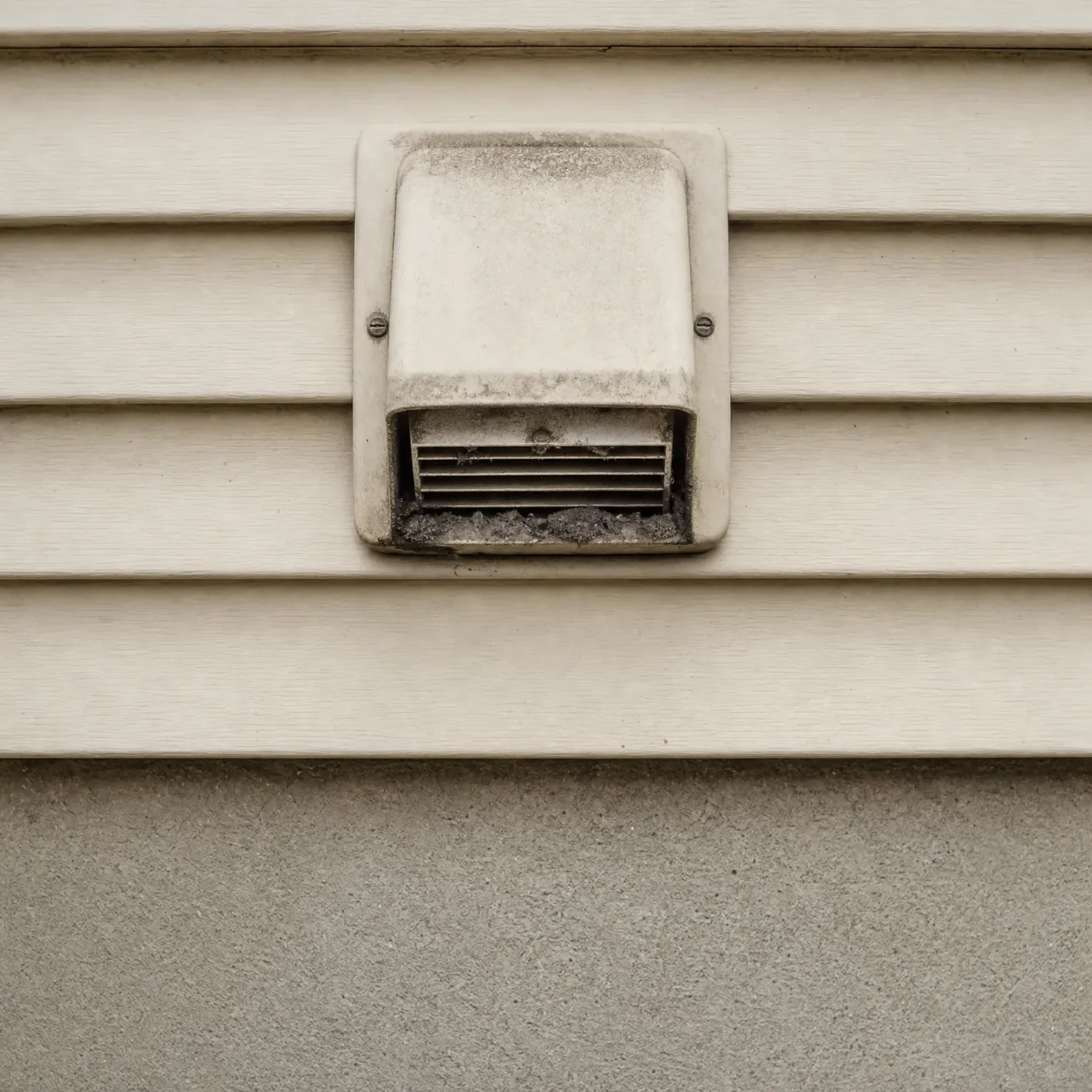
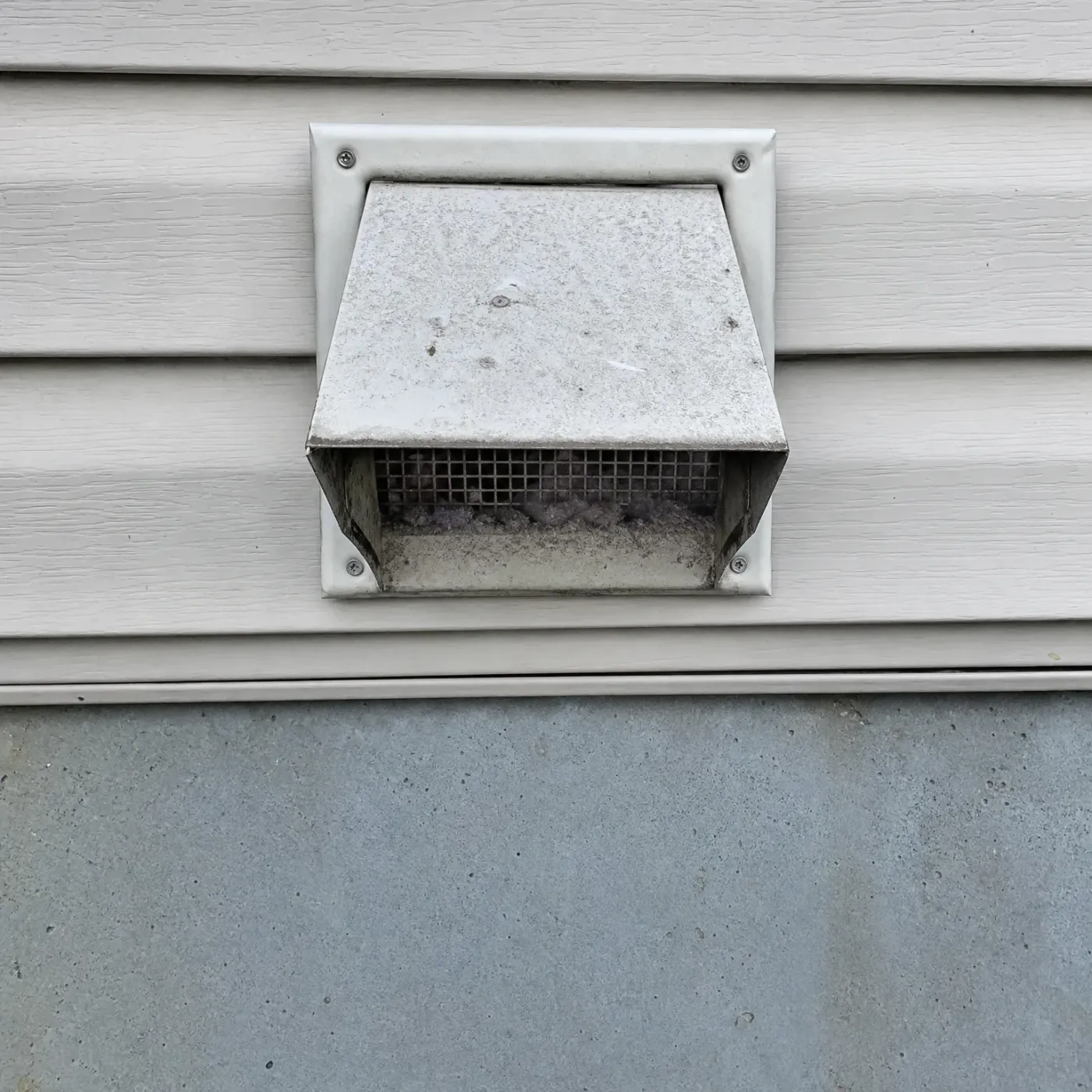
- Lint doesn't collect evenly along a duct run, it piles up at elbows and at the point the vent meets the wall cap, narrowing the path long before the line looks full.
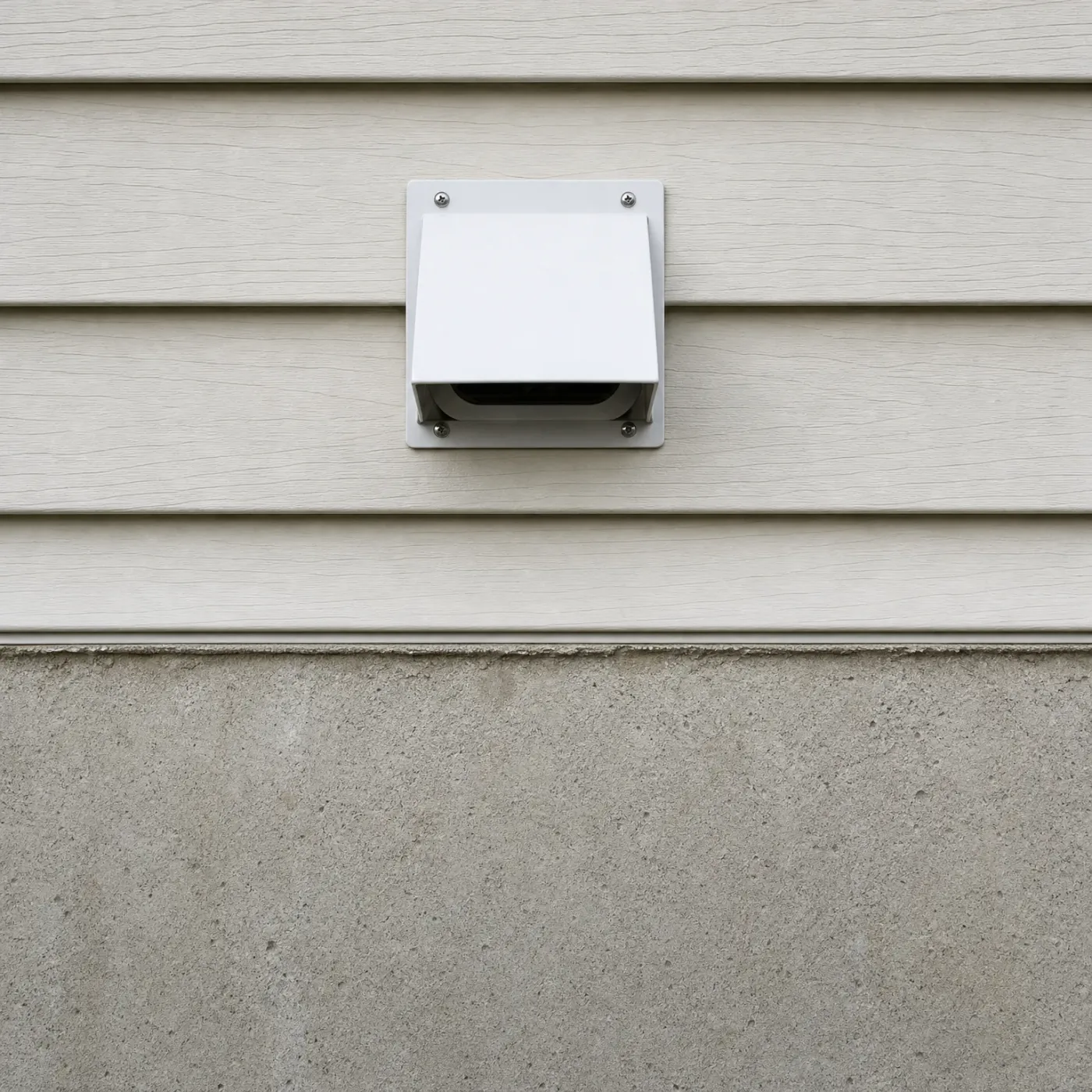
- The wall cap flap at the outside end is supposed to swing open under airflow, and weak airflow from a partly blocked line can leave it barely moving.
- A dryer working against a blocked vent pulls the same amount of electricity or gas whether the load finishes in forty minutes or two hours.
Why does a longer dry time hit some Weber County homes harder?
2.83 people per household on average
With 2.83 people in the average household here, that's more loads through the same vent every week, and more lint passing through it.
Half the homes here were built by 1984
Half the homes in Weber County were built in 1984 or earlier, and older duct runs have had decades longer to pack with lint than a newer one.
Power here costs 13.52 cents per kilowatt-hour
Power here runs 13.52 cents per kilowatt-hour, so a dryer running two or three cycles instead of one adds up on the bill fast.
ACS 2020-2024 · EIA-861 2025
A dryer that runs two or three cycles instead of one is pulling more power every time you do laundry, and in a house that does a few loads a week that adds up fast. The heating element keeps firing because the sensor still reads damp air, so it's working the whole time, not coasting. Run it long enough against a blocked vent and the heat has nowhere to go but back into the dryer itself, which is hard on the thermostat and the element. There's also the lint that never made it outside. Instead of collecting in the cap where it belongs, it's sitting in the duct run behind your wall, and that's the kind of thing that turns into a fire risk rather than just a slow load of towels. None of this shows up by looking at the machine. It shows up in the power bill, in a utility room that feels warmer than it should, and in clothes that come out hot and still damp.
It's off your list after this

Skip searching for someone who cleans dryer vents in Weber County.
It costs nothing to send, and you don't have to hire anyone.
Where the Lint Actually Catches
- Lint builds up fastest in the elbows and bends where the duct turns to reach an exterior wall or roofline.
- A rigid metal duct lets lint move through and out; a crushed or sagging flexible section catches it instead.
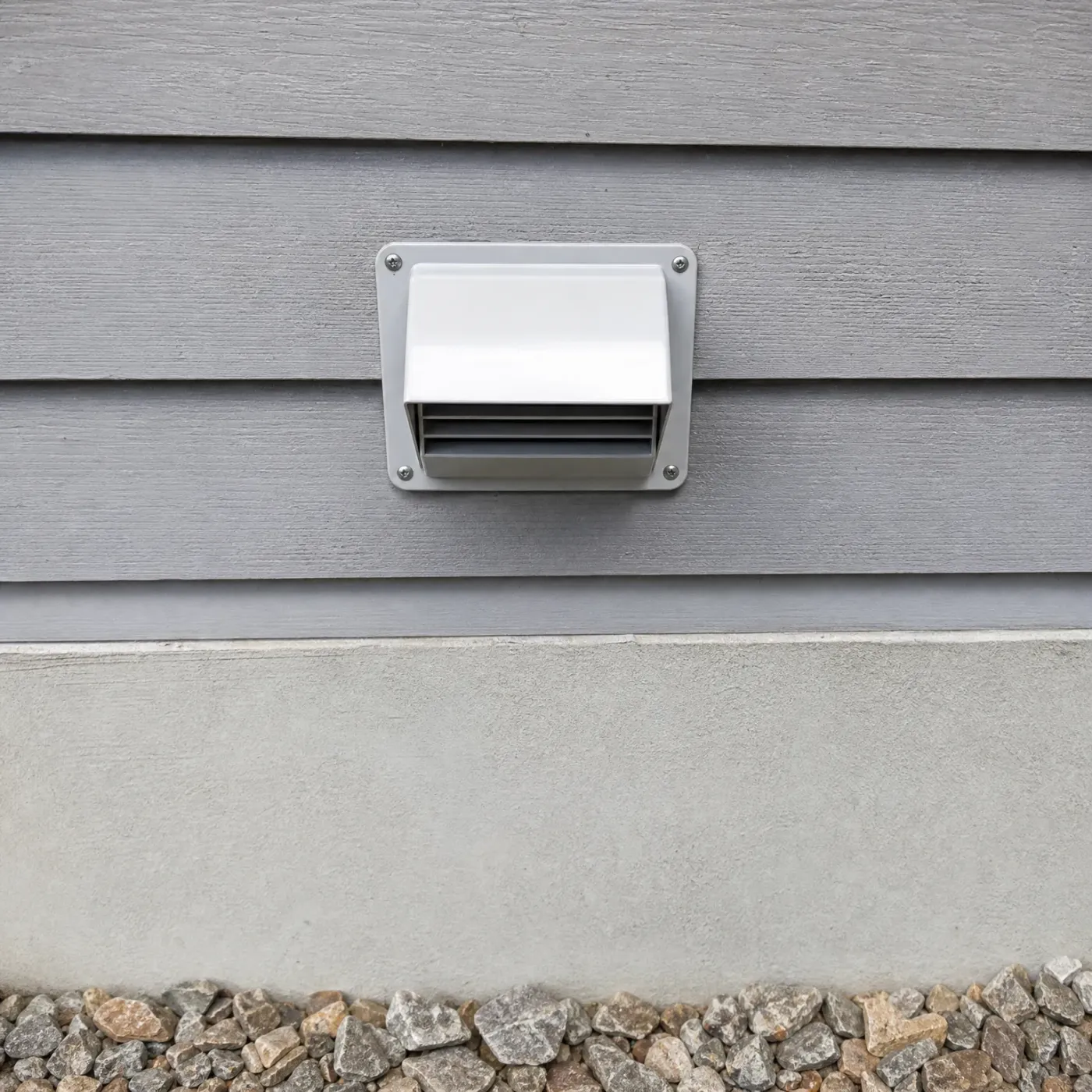
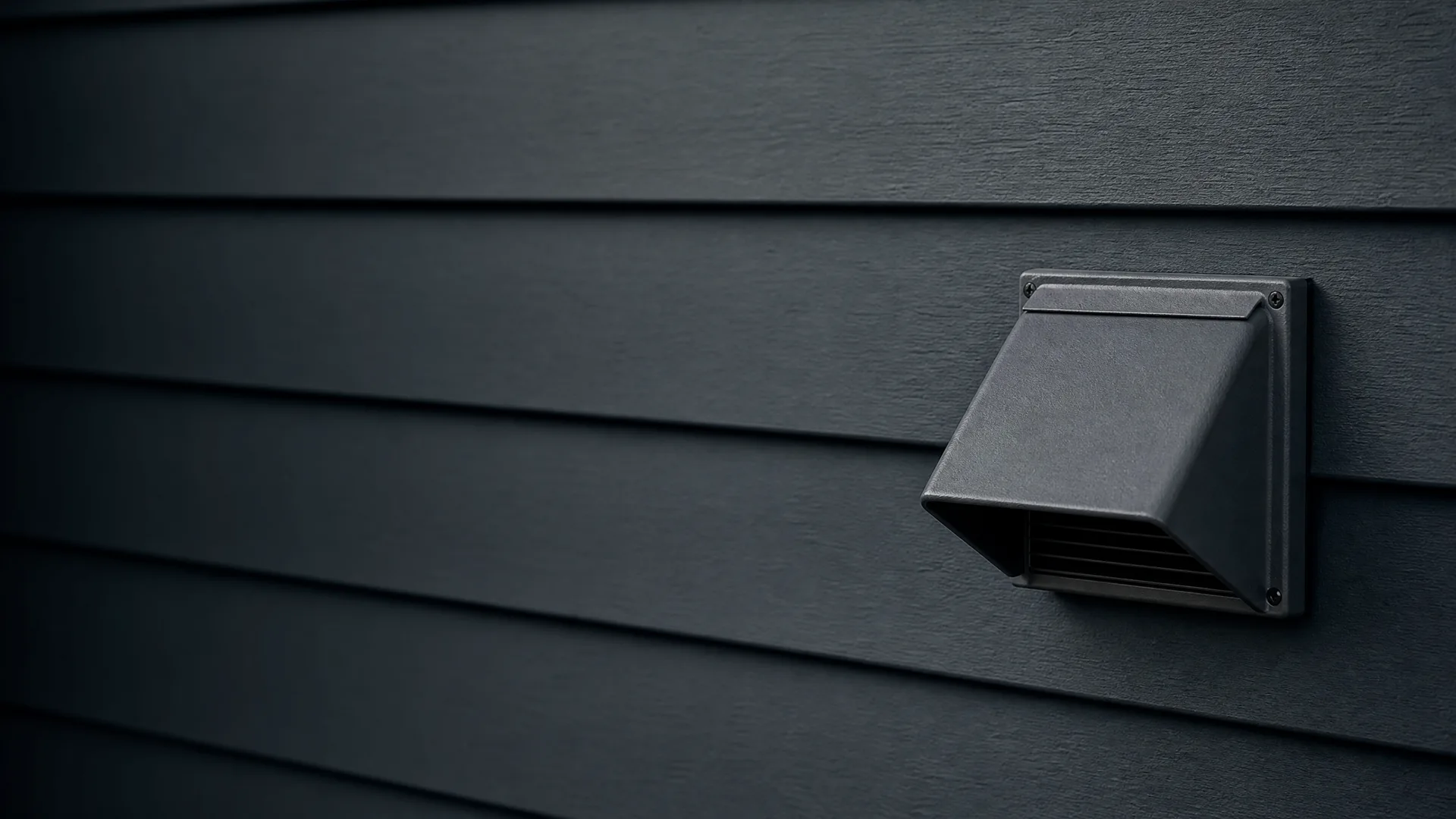
- The exhaust hood flap should swing open fully when the dryer runs and close flat against the wall when it stops.
- Lint that collects behind the drum or inside the duct connector never reaches the trap, so a clean lint screen can still hide a blocked vent.
- A static-charged dryer drum can hold lint to the fabric longer, which reads as a damp load even after the heat cycle finished.
- The longer the duct run from the dryer to the outside wall, the more surface area lint has to catch on before it clears the house.
A dryer vent doesn't clog evenly. Lint rides the airflow and drops out of it wherever the path changes direction or narrows, so the elbows and bends where the duct turns toward an exterior wall or up through a roofline take the worst of it. A straight shot of rigid metal duct lets that lint keep moving until it clears the house. Flexible duct that's been crushed behind the dryer or sags between the joists gives it a place to stop, and once a little catches, more builds on top of it. The exterior hood is worth checking too. The flap should swing open all the way when the dryer's running and close flat when it's off. A flap that barely lifts, or one propped half open by lint on the louvers, means the air pushing out has nowhere to go and backs right up into the drum. None of this shows up at the lint trap. Lint that collects behind the drum, inside the duct connector, or further down the run never passes through the trap at all, so you can clean the screen every single load and still have a blocked vent behind it. There's also a drum effect that gets mistaken for a vent problem: a dryer running drier-than-usual air builds up static charge, and that charge holds lint to the fabric a little longer than normal, which can look like a damp load even after the heat's done its job. The longer the run from the dryer to the outside wall, the more chances lint gets to catch somewhere along the way.
2.83 people per household on average
At 2.83 people, most houses here are running a load most days, not once a week. Every load pushes more lint through the same duct, so the run clogs faster than you'd expect and the dry time keeps creeping up between cleanings.
ACS 2020-2024

The vent, left alone too long
A dryer vent gets ignored because it sits behind the machine and nobody thinks to check it. Every load sends a little more lint down the duct, and when the run is long or has a few bends, that lint settles out before it reaches the cap. Nothing looks wrong from the laundry room. The drum fills with damp heat, the sensor keeps reading wet, and the dryer keeps running. By the time you notice the time creeping up, there's usually a real amount built up in there already.

Calling around for someone to clear it
Finding someone to clean a dryer vent means searching, calling a few places, and asking whether they even service vents instead of just ducts. Some outfits do one and not the other. You'd describe the same problem two or three times, compare what each one quotes, and still not know who's reliable until the job's done. Once you send the form here, that part is handled. You don't have to vet anyone or sort through quotes yourself, and the search ends there.

A long dry time has one usual cause
A dryer that used to finish in under an hour and now runs two or three cycles is telling you the vent is blocked, not that the machine is failing. The sensor keeps reading damp air because the moisture has nowhere to go, so it keeps heating. Clear the duct and the sensor reads dry air again, and the dryer shuts off when it should.
That's the whole answer. What's left is finding someone who'll run a vacuum and a brush the length of the duct, check the hood flap outside, and tell you plainly whether the run is clear. You could spend an afternoon calling around Weber County asking who does this kind of work, comparing quotes, explaining the same symptoms more than once. Send the form instead and that search becomes someone else's job, not yours.

Stop chasing a dryer vent pro
Fill out one short form instead of calling around.