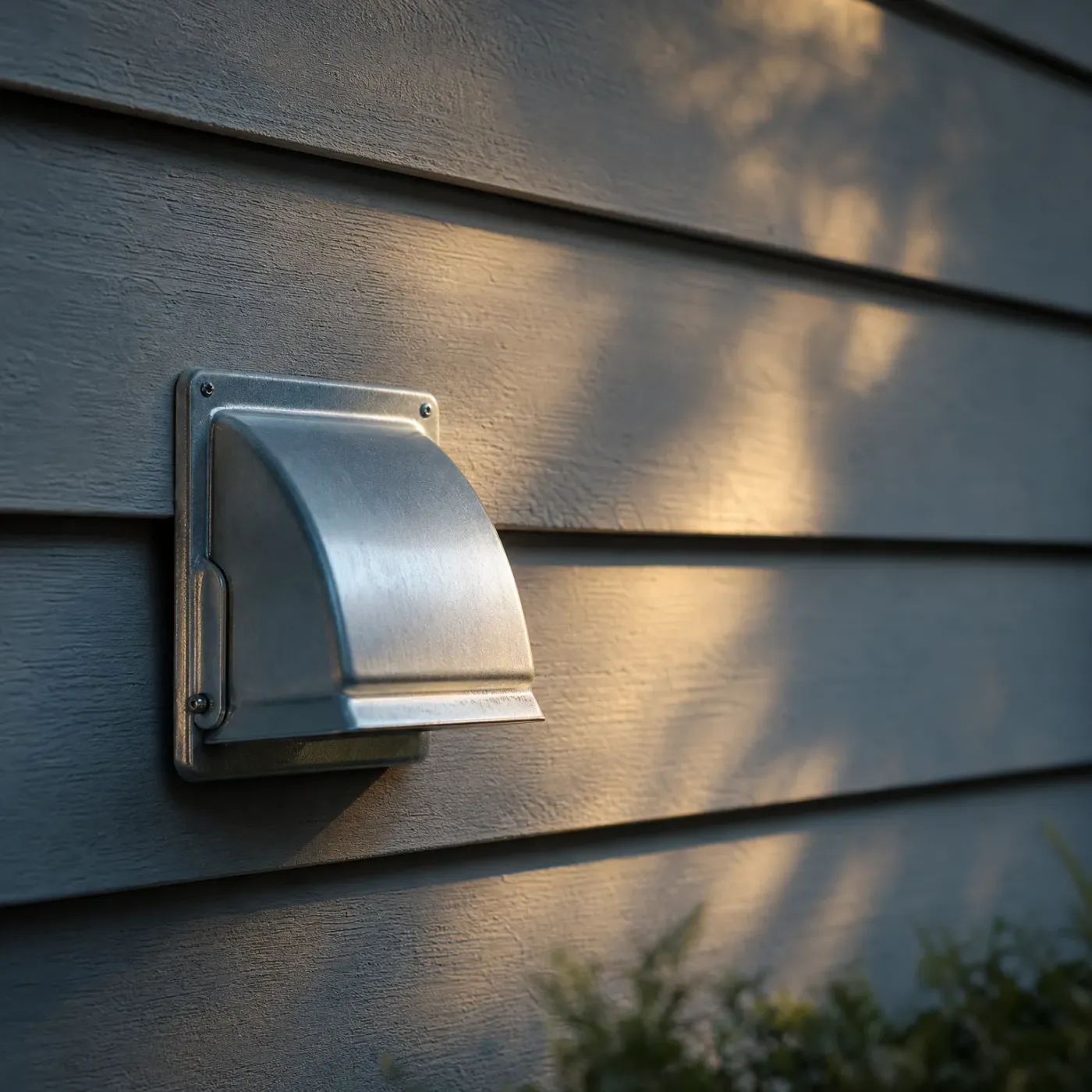





A metal hooded dryer vent cover screwed to gray horizontal lap siding, with warm late-day light and leaf shadows across the wall and green shrubs at the lower right.

Finding a pro stops being your job

Why your dryer takes so long to dry in Utah

A dryer that runs two or three cycles to finish a normal load is usually fighting a blocked vent, not a weak heating element. Lint builds up in the duct over time and cuts off the airflow the dryer needs to push hot air out, so it just keeps cycling. This page gets into what's behind that in a Utah home and what gets it running right again. Send the form and let someone local who works on these vents sort out the cause.

I'm done searching

A dryer that takes forever to dry usually isn't broken. It's starving for airflow. Lint collects along the vent run, especially where it bends behind the machine or turns to go through the wall, and that narrows the path hot, wet air needs to escape. With less airflow leaving, moisture stays in the drum and the dryer has to run longer to finish the same load. In a lot of Utah homes the vent run is long or has several turns to reach an outside wall, which gives lint more places to collect than a short, straight run would. The heating element and the thermostat can both be fine and you'll still get long dry times if the vent itself is the problem. A vent cleaning clears that buildup and restores the airflow the dryer was designed to run with, which is usually all it takes to get back to one normal cycle.

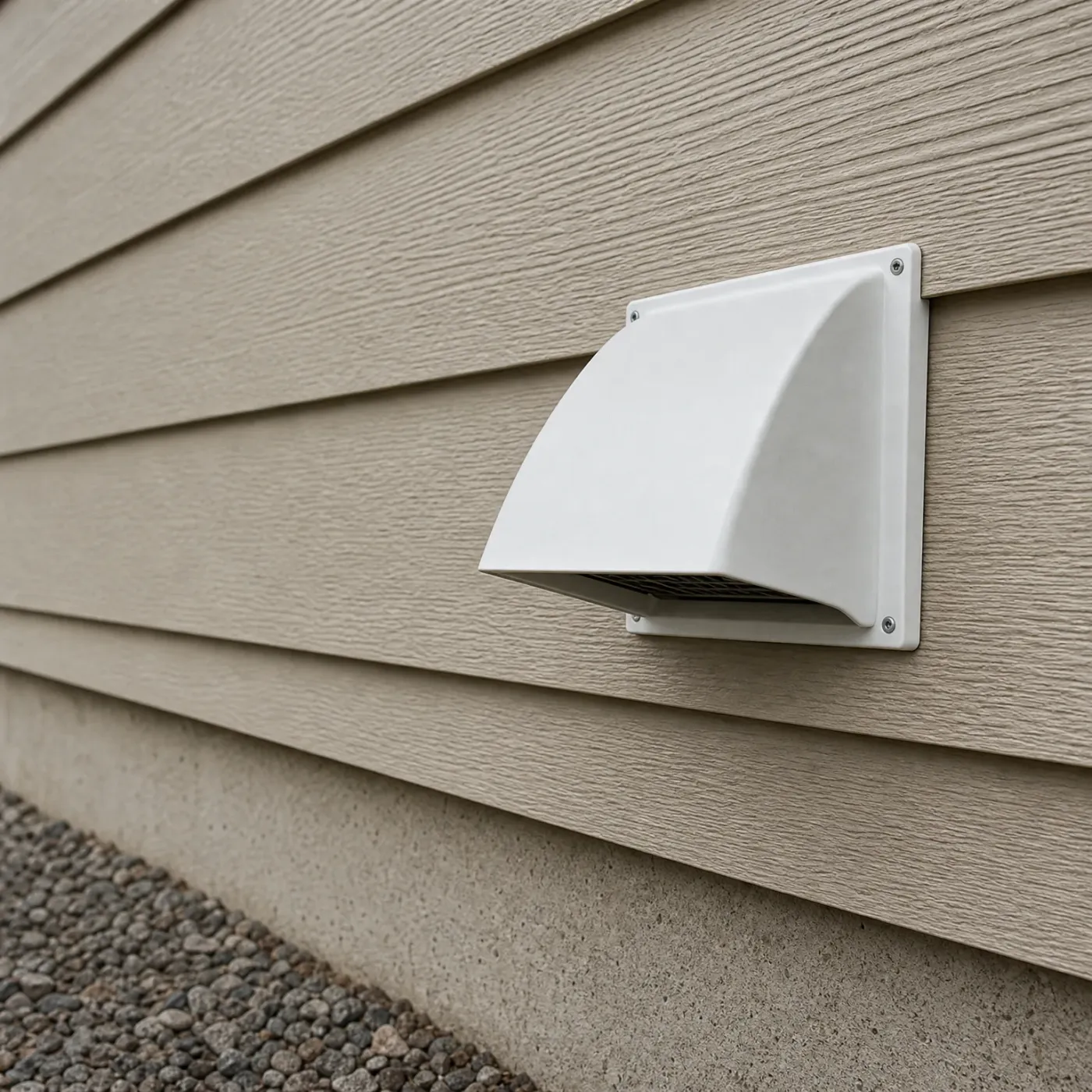
A white plastic hooded dryer vent with a lint-covered screened opening mounted on beige horizontal vinyl siding above a concrete foundation.
Before you get your dryer vent cleaning
A white hooded louvered vent mounted on beige horizontal lap siding above a stucco foundation wall bordered by river rock gravel.
After you get your dryer vent cleaning

A dryer doesn't run on a timer alone. It reads moisture and heat near the exhaust duct, and it keeps tumbling until that sensor says the air coming off the clothes is dry. If the vent is choked with lint, the wet air has nowhere to go, so the dryer just keeps running cycle after cycle chasing a reading it can't reach. Gas dryers have it worse than electric ones, since burning gas puts its own moisture into the exhaust, and that extra volume needs a clear path out. Every bend in the vent run adds drag, so a duct with a couple of turns behind the machine needs more than a straight one to move the same air. The lint screen only stops what's big enough to catch in the drum. The fine stuff rides the airflow straight down the pipe and sticks to the walls of the duct, narrowing it a little more with every load. None of this has much to do with the season. A dry Utah summer doesn't fix a blocked vent, and a clear one doesn't need help from the weather to work.

What's Actually Slowing Your Dryer

  • A dryer senses moisture and heat through a thermostat near the exhaust duct, and it keeps running as long as that reading tells it the air is still wet.
  • Gas dryers push a bigger volume of exhaust than electric ones since burning gas adds moisture of its own, so a partly blocked vent slows them down faster.
  • Every elbow in the vent run adds resistance, and a dryer vent with two or three bends needs more clearing than a straight shot to the outside wall.
  • The lint screen only catches what passes through the drum, not the fine lint that rides the airflow down the duct and settles on the walls of the pipe.
  • A vent that's choked near the exterior hood traps heat inside the duct, and that heat has nowhere to go but back toward the drum.
  • Utah's dry summer air actually helps a clear vent work fast, which is part of why a slow dryer in July usually points to the duct, not the season.
A white hooded dryer vent cover mounted on beige horizontal vinyl siding above a concrete foundation wall with gravel at the base.
Air moves freely out through the hood here, so heat and moisture leave with it and a load finishes in one cycle.
A square plastic dryer vent hood mounted on light-colored horizontal lap siding above a concrete foundation, with gray lint clogging its screened opening.
Lint has packed the hood and screen, so the dryer traps its own heat and keeps running long after the clothes should be dry.

What have you noticed about your own dryer lately

Touch the front panel after a cycle and it's hot, hotter than it should be. The laundry room feels warmer than the rest of the house, and you can smell a faint hot-dust smell by the time the load's done. Clothes come out damp at the hems or still warm and heavy a while after the buzzer. You might notice the outside vent hood barely moves when the dryer's running, where it used to flap. Left alone, a blocked vent makes the dryer run hotter than it's built for, and that heat has nowhere to go but back into the machine and the room around it.

A white plastic hooded dryer vent with a screened opening mounted on gray horizontal lap siding above a concrete foundation and gravel bed.

Vent clear and open

This is what a dryer vent should look like. The flap swings open when the dryer runs and closes when it's off, keeping the air moving one direction. Air and lint pass straight through to the outside, so the dryer reads dry air and shuts off on time.


A white plastic dryer vent hood mounted on horizontal lap siding, clogged with gray lint at its lower opening, above a concrete foundation and walkway.

Vent packed with lint

Lint has built up around the opening until it's nearly sealed shut, and the staining below shows it's been pushing out slower than it should for a while. With the hood this blocked, hot air backs up into the duct instead of leaving the house, and the dryer just keeps running.

A woman in a dark knit turtleneck sweater reclines on a couch under a cream knit blanket, looking down at an open book, with a lit table lamp and framed pictures behind her.
A smiling middle-aged man in a dark green sweater sits at a candlelit table with wine glasses and a plate of greens in a dimly lit interior.
A white hooded exterior vent cover with a screened opening mounted on beige lap siding above a concrete foundation and gravel strip.

Let someone else find the pro

Your request stays with one local pro.

Send the form and the dryer vent cleaning stops sitting on your list.

Get a licensed local pro

No charge to send it. You decide if you hire them.

Clear Vent vs. Blocked Vent

Clean vent

  • A full gas load dries in one cycle because the exhaust has a clear path to the hood outside.
  • The thermostat near the duct reads dry air once the clothes are actually dry, so the dryer shuts off on time.
  • The outside hood flap swings open while the dryer runs and closes right after, which only happens when air is moving freely.
  • Gas dryers push out more moisture than electric ones, so a clean vent matters more if yours runs on gas.
  • The laundry room stays close to the same temperature as the rest of the house after a load finishes.
  • Utah's dry summer air helps a clear vent carry moisture out fast, so cycles stay short even in July.

Blocked vent

  • Lint packed in the duct or the hood traps heat and moisture, so the thermostat keeps reading wet air long after the clothes are dry.
  • A load that should take one cycle runs two or three, and the dryer never gets the signal to stop.
  • The front panel is hot to the touch after a cycle, hotter than a dryer venting properly ever gets.
  • The outside hood screen stays clogged with lint, so the flap barely moves even with the dryer running.
  • A gas dryer pushes more exhaust volume than electric, so a blockage backs up moisture faster and stretches drying time more.
  • Running extra cycles to finish a load adds to your power use for no reason, even with Utah's low electric rates.
A white hooded exterior vent cover with a screened lower opening, screwed to beige horizontal lap siding above a concrete foundation.

Open and clear

The flap sits loose and the louvers show daylight behind them. Air carries the lint straight past the screen and out, so the hood never holds onto heat. A dryer venting like this knows the load is dry when it actually is.

A hooded dryer vent mounted on beige lap siding, with gray lint buildup packed in and hanging from its louvered opening.

Packed shut

The louvers are matted over and the flap barely moves when the dryer kicks on. Hot, wet air backs up into the duct instead of leaving, and the lint sitting right at the hood is dry enough to catch if it gets hot enough.

Power costs 13.02 cents per kilowatt-hour statewide

At 13.02 cents a kilowatt-hour, running the dryer an extra cycle doesn't hit you nearly as hard as it would in most states. That's probably why a dryer running long goes unnoticed here longer than it should. The bill isn't what tells you something's wrong. The lint doing it to your vent is.

EIA-861 2025 statewide residential average

The Vent Is the Real Problem

  • A dryer that needs two or three cycles to finish a load is telling you the vent is blocked, not that the machine is failing.
  • Lint narrows the duct over time until the hot, wet air has nowhere to go, so the thermostat keeps reading damp air.
  • Gas dryers push more moisture out through the vent than electric ones, so a packed duct slows them down even faster.
  • A hood flap that won't swing open, a hot panel after a cycle, or a warm laundry room all point to the same airflow problem.
  • Utah's cheap power means a long cycle barely shows up on the bill, so a slow dryer can go unnoticed for months.
  • Clearing the vent restores the airflow the dryer was built to rely on, and a normal load goes back to finishing in one cycle.

A dryer that keeps running past one cycle isn't wearing out. It's pushing hot, wet air against a duct that's gone narrow with lint. The thermostat near the exhaust does its job the whole time, it just keeps reading damp air because that air has nowhere to go. Gas dryers feel this sooner since burning gas adds its own moisture to the exhaust, so a vent that's half blocked slows a gas load down faster than it would an electric one. You can usually catch it without opening anything up. The panel's hot when the load should be done. The laundry room holds heat it shouldn't. The hood flap outside sits stiff instead of swinging open while the dryer runs. Any one of those is the duct talking, not the machine. What makes this easy to miss here is the power bill. At under 13 cents a kilowatt-hour, an extra cycle barely moves the number, so the dryer can run long for months before anyone thinks to check the vent instead of the appliance. Nothing about the dryer itself needs fixing in that case. The duct needs clearing, lint needs to come out of the run and the hood, and the airflow the dryer was built around comes back. Once it does, a normal load goes back to drying in a single cycle, the way it did when the vent was still clear.

A smiling bearded man in a dark blue henley shirt sits leaning back on a light grey sofa in a living room, with a bowl of popcorn on a wooden coffee table and a large window behind him.
A bearded man in a dark quarter-zip sweater sits smiling on a brown sofa in a dimly lit living room, with a bowl of popcorn and a mug on a table in the foreground and a potted plant near a window behind him.
A smiling man with graying dark hair and a beard, wearing an olive sweater, sits on a sofa in a living room beside a bowl of popcorn on a wooden table.
A smiling man in a dark green henley shirt sits on a gray sofa in a living room with a lit table lamp, wooden shelving unit, and a bowl of popcorn in the foreground.

Dryer Vent Cleaning

One request and it's handed off

Your dryer vent cleaning request goes to one local pro.

A smartphone with a blank green screen stands upright against a plain light gray background.
Duct and vent cleaningUtah
Step 1 of 3

What kind of equipment?