






Does closing vents save heat in a Utah home

A local pro who services furnaces gets in touch about the tune-up.

Match me with a pro

Does closing vents save heat in my house?

Winter heating bills in Utah add up fast, and it's tempting to shut vents in rooms you don't use to push more heat where you actually sit in the evening. It seems like simple math: less space to heat, lower bill. Before you close off half the house, it helps to know what that actually does to your furnace and your ductwork.

No, closing vents usually raises your heating cost instead of lowering it

Your furnace moves a set amount of air no matter how many vents are open. Close a few, and that air has nowhere to go, so pressure builds in the ducts. The blower works harder against that pressure, and air starts leaking out through duct seams and joints you can't see, in the attic or crawlspace. That's heat you paid for going into spaces you don't live in. Closing one or two vents in rooms you rarely use probably won't hurt much. Closing several, or shutting vents and doors together, is what pushes the system into working harder for less heat where you actually want it.

A beige residential gas furnace with white PVC vent pipes, copper and yellow gas lines, and adjacent sheet-metal ductwork stands on a concrete floor beside a plain white wall.

Why the furnace doesn't know

A furnace moves a fixed amount of air no matter how many vents are open. Close off a few rooms and that air has to go somewhere, so pressure builds in the ducts. The blower works against that pressure instead of pushing air freely, and it runs the same cycle length to satisfy the thermostat either way. Nothing about a closed vent tells the furnace to burn less gas.

A gray high-efficiency furnace with white PVC vent pipes and metal ductwork stands on a concrete floor beside a plain off-white wall in a basement.

Where the pressure goes

Supply ducts are built to handle a certain amount of airflow, not extra. When several vents are shut, the trapped air looks for the nearest way out, usually a seam or a joint that was never meant to be an exit. Air escapes into the attic or the crawlspace instead of the room, and a duct forced past its working pressure wears at those joints faster than one running as designed.

A woman in a cream cardigan and jeans stands with one hand raised facing an open front door of a gray horizontal-siding house, with a black lantern wall light, a potted shrub with yellow flowers, and a stone-faced porch column.

What it costs you at home

Shut the vents in the spare room and the guest room, and your furnace still pushes the same air. With nowhere to go, it finds the gaps it can: around duct joints in the attic, under the house, wherever the sealing is weak. That's heat paid for and lost before it reaches the room you're sitting in. The closed rooms get colder and damper too, and a cold, damp room is where a furnace system starts to earn a service call instead of a routine one.

If you want lower bills, a furnace that's been checked over and cleaned is a better bet than closed vents. A contractor can look at your specific setup, the duct runs, the blower, the rooms you actually use, and tell you what's really driving the bill up. Send in your information and you'll be matched with someone who services your area, and they'll reach out. One less thing to figure out on your own this winter.

A living room corner with a light beige sofa holding a textured taupe cushion, a large ceramic vase of olive branches by a window, a framed neutral artwork on the wall, and a dark bowl with stacked books in the foreground.
  1. The blower starts and pushes a fixed volume of air into the ducts.

  2. Closed vents block that air from leaving the room as designed.

  3. Pressure rises in the ductwork behind the closed registers.

  4. Air escapes through duct seams and gaps instead of vents.

A gray high-efficiency furnace stands on a concrete basement floor beside galvanized sheet-metal ductwork, white PVC vent pipes, copper and black piping, and unfinished wood stud framing.
All vents open, the furnace moves that same fixed air through ductwork sized for it, with nowhere to build pressure.
A gray furnace with two access panels stands on a concrete basement floor beside sheet-metal ductwork, with pipes, flexible conduit and an electrical box on the concrete wall to the left.
Panels closed and vents shut down the hall, that fixed air still has to go somewhere, and it finds the gaps instead.
A smiling man in a dark navy sweater sits on a light sofa in a living room, with a glass bowl of popcorn on a wooden coffee table and bookshelves behind him.
A smiling man in a dark green sweater sits on a tan leather sofa in a dimly lit living room, with a bowl of popcorn in the foreground and a kitchen area blurred behind him.
A smiling middle-aged man in a dark shirt sits on a gray sofa in a living room, with a bowl of popcorn on a side table and shelves, a window and kitchen area behind him.
A smiling bearded man in a dark gray t-shirt sits on a gray couch in a living room, with a large glass bowl of popcorn on a wooden table in the foreground.

A pro who works on furnaces

Send the form, and lining up the furnace tune-up stops being yours to chase.

No fee to send it, and nothing to sign.

If you close a few vents

The furnace still moves the same volume of air it always did. With fewer open vents to take it, that air pushes harder against the ductwork, looking for a way out. Some of it finds the gaps that are already there, in the attic, under the house, wherever a joint isn't sealed tight. That's air you paid to heat, gone before it reached a single room. Meanwhile the blower runs longer to move that air against the extra resistance, so the gas furnace burns more to do the same job.


If you leave them open

Air moves through the ducts the way they were sized to handle it, room to room, without building pressure behind closed registers. The blower does the work it was built for and stops. Rooms you don't sit in get some heat they don't need, which is real, but it's a smaller loss than what leaks out through duct gaps under pressure. For most homes in Utah, that's the better trade, especially with winters here as hard as they are.

A beige gas furnace with a metal flue pipe stands in a basement against concrete block walls, beside sheet-metal ductwork, copper and white plastic pipes, and a water heater at right.
Before you get your furnace maintenance
A gray high-efficiency furnace with white PVC vent pipes stands beside sheet-metal ductwork and a water heater in an unfinished basement with concrete walls and wood framing.
After you get your furnace maintenance

Your furnace was set up to move air against a certain amount of resistance, no more. That number is on a sticker somewhere on the unit, and it assumes most of your vents stay open. Shut several of them and the blower doesn't back off. It keeps pulling in the same return air and pushing the same volume out, except now there are fewer places for that air to go. Pressure in the ducts climbs past what the motor was built to handle, so it draws more amps and runs hotter trying to force air through a smaller opening than it was designed for. A newer variable speed blower can adjust its speed somewhat to compensate. An older single speed one just pushes harder, every time, with no way to ease off. This is the kind of thing a manometer catches during a maintenance visit, measuring static pressure directly instead of guessing at it. If the reading is high, that's your furnace telling you it's working against something it shouldn't have to.

What's really happening behind the vents

  • The static pressure rating stamped on your furnace assumes a certain number of vents stay open to move air freely.
  • Closing more than a couple of registers pushes duct pressure past that rating and the blower motor draws harder to compensate.
  • A blower working against higher resistance pulls more amps and runs hotter than the motor was built for.
  • Furnaces with variable speed blowers adjust somewhat for closed vents, but older single speed blowers just push harder regardless.
  • A technician checks static pressure with a manometer during maintenance, which shows whether your duct system is under more strain than it should be.
  • Return air still gets pulled in at the same rate even when supply vents are closed, which is part of what drives the pressure up.
A woman with dark hair in a bun reclines on a sofa with her eyes closed, wrapped in a cream fleece blanket, a closed blue hardcover book resting in front of her, with a lit lamp and a vase of dried flowers in the background.
A smiling bearded man in a navy sweater sits at a candlelit dinner table with a glass of red wine, a bowl of salad, and plates of food in the foreground.
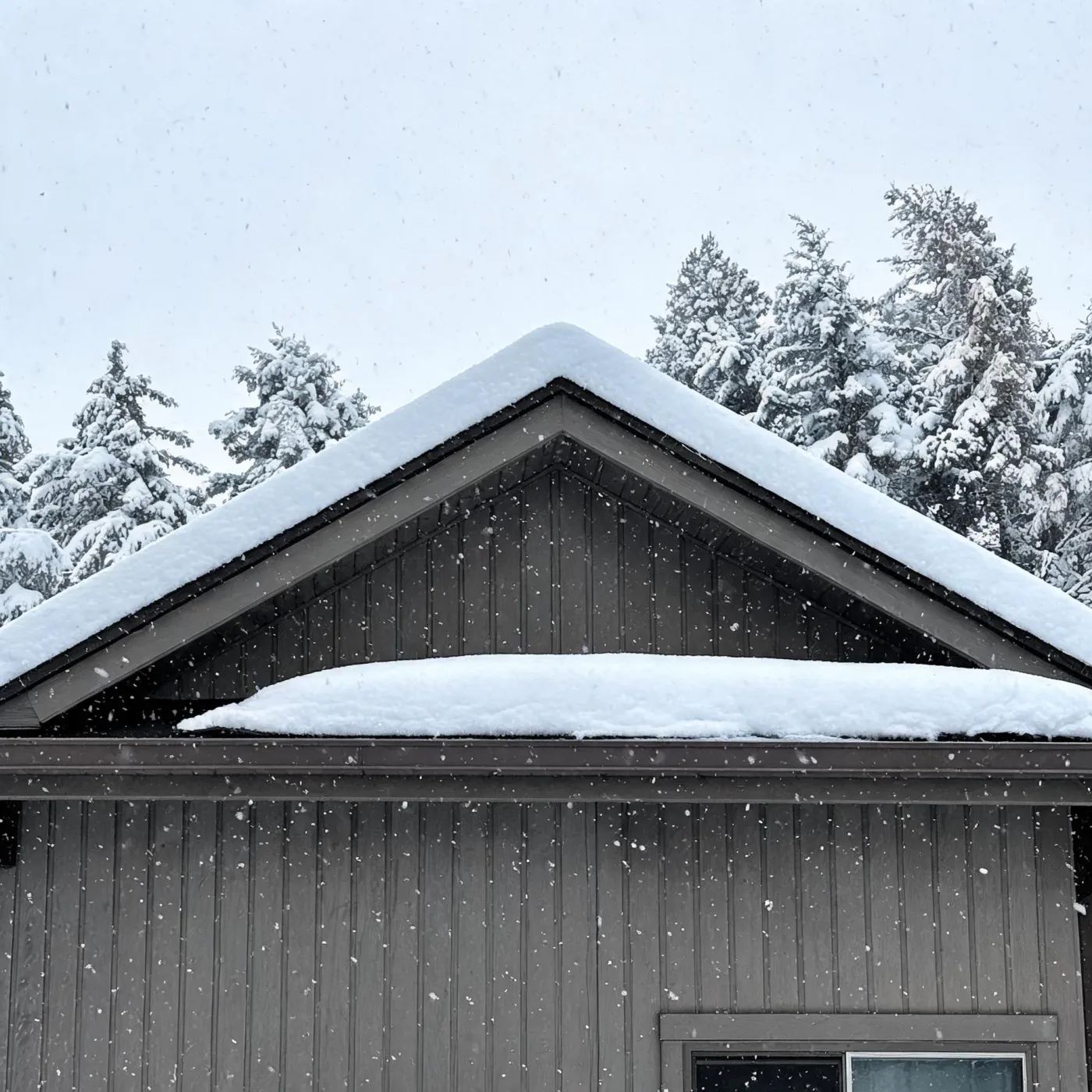
Snow-covered gable roof of a dark brown vertical board-and-batten house during falling snow, with snow-laden conifers behind it under a pale gray sky.

Statewide, winter nights average 21°F, says the National Weather Service. On a night that cold, your furnace isn't cycling on and off anymore, it's running long stretches just to hold the house steady. That's the furnace working hardest, moving the most air it ever moves in a year. It's also the worst time for a closed vent to be pushing that air into gaps instead of your rooms, because the house needs every bit of what the furnace is making. Those are the nights you'd notice a cold bedroom down the hall, or hear the blower running longer than it used to.

NOAA nClimDiv 1991-2020 county normals weighted by homes

Closing vents doesn't save heat. It makes your furnace push the same air into a smaller space, and the pressure that builds finds its way out through gaps in the ductwork instead of into the room you wanted warm. Leave the vents open and let a maintenance visit do the real work: checking the blower, the static pressure, the ducts themselves, so the system is moving air the way it was built to. That's worth more to your bill than any register you shut. You don't have to track down who handles this or sort through a list of names. Send the form and the search is off your plate. A contractor who works on furnaces in your area gets your information and reaches out to you, and from there it's a conversation about your house, not a project you had to manage alone. The vents stay open. The rest gets handled.

A dimly lit unfinished basement with concrete walls and floor, exposed floor joists, a small window at left, and a dark furnace with PVC venting and sheet metal ductwork at right.

Get your furnace to the right pro

Send the request and finding a pro stops being your problem.

Tune-up, service, or cleaningFurnace or heatingUtah
Step 1 of 2

What ZIP code is the job in?