
Dryer Vent Cleaning in Roosevelt, UT
Tell us about your home, and a licensed contractor who covers Duchesne County will get in touch.
Tell us about the job
It takes about a minute.

Cold air turns the lint in your vent to paste
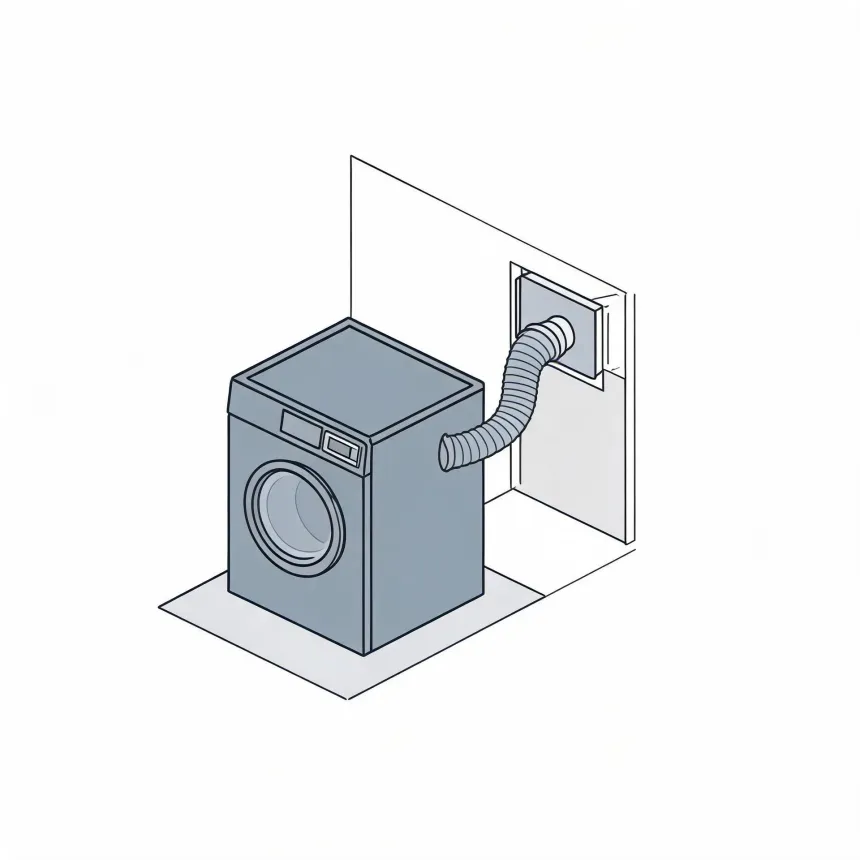
Your dryer pushes out warm, wet air every load. That air has to travel through metal duct that sits in cold space, and on a night near 12°F the vent walls are cold enough to pull the moisture right out of the exhaust. Lint that would otherwise blow through sticks to those damp walls instead, and it builds up layer by layer.
With heat needed here from September through June, the vent stays cold most of the year, which means that buildup has a long stretch to accumulate. A vent narrowed by wet lint forces the dryer to push harder to push air out at all, and a badly blocked one can trap heat in the line.
- 12°F
- the average winter night, and cold vents catch damp lint
- 10 months
- September through June, the vent stays cold
NOAA nClimDiv, 1991–2020 normals
- How often should a dryer vent be cleaned?
- Once a year for most households. If you run the dryer several times a day, have it checked more often, since more use means more lint moving through the vent. Homes here need heat from September through June, so a good time to have it done is before that stretch starts.
- Can I clean my dryer vent myself?
- You can clean the lint trap and the first few feet of the vent yourself, but you can't reach the whole run. A dryer vent often travels through walls or the attic before it reaches the outside hood, and a vacuum or brush from either end won't clear a clog in the middle. A contractor uses a rod system that reaches the full length of the vent, including any bends.
- What are the signs of a clogged dryer vent?
- Clothes that take longer than usual to dry, or that come out hot to the touch instead of just warm. The dryer itself may feel hot on the outside, and you might notice a burning smell or less airflow coming from the outside vent hood when the dryer is running. Lint building up around the lint trap faster than normal is another sign worth checking.