
HVAC Installation in Roosevelt, UT
Tell us about the house, and a licensed contractor who covers Duchesne County will get in touch.
Tell us about the job
It takes about a minute.

Roosevelt asks a furnace to run most of the year
Winter nights here average 12°F from December through February, and homes need heat from September through June. That is ten months of the year the heating side of your system is doing the work. Summer afternoons average 76°F, mild enough that cooling barely factors in, but a new system still has to be sized and installed to handle both jobs.
A furnace built for this has to hold up to a long stretch of cold starts, not just a few weeks of hard freezes. 43.2% of homes here heat with gas, and a new gas furnace has to meet the federal minimum efficiency rating. With 53 winter storms recorded here over the last ten years, the system going in should be one a licensed contractor can size and install to keep running through that kind of winter.
- 10 months
- September through June, your system heats
- 12°F
- the average winter night it heats against
- 76°F
- the average summer afternoon it cools against
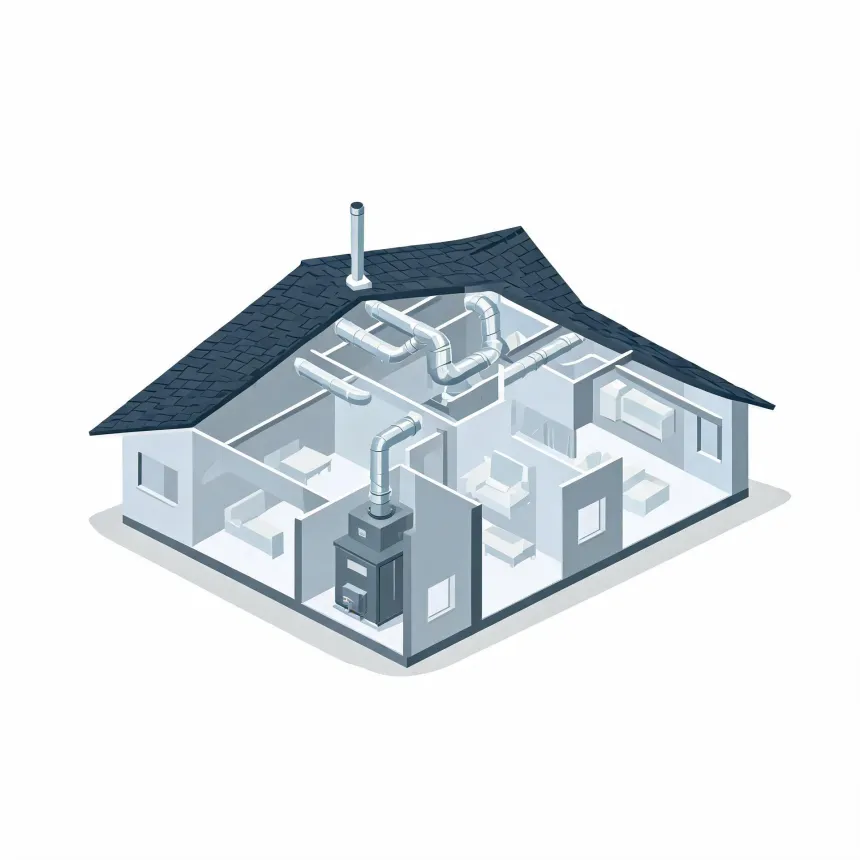
Utah requires HVAC contractors to hold a state license.
The Division of Professional Licensing tests and licenses HVAC contractors across the state, and that license belongs to the contractor, not to any one job. If your installation runs under $7,000, Utah does not require the person doing it to hold that license.
A full heating and cooling installation is well above that threshold, so the contractor doing this job should hold a state license. Beyond that, most cities and counties in Utah require a permit for this kind of replacement, along with an inspection once the work is finished. That inspection is where a bad gas or electrical connection gets caught, separate from anything the license itself covers.
Sources: Utah State Legislature · Utah Department of Commerce
- When should I replace my HVAC system?
- Replace it when repairs start piling up or the furnace can't keep the house warm on a night that drops to 12°F. Furnaces here run from September through June, ten months of the year, so they put in more hours than a furnace in a milder climate. If you're calling for the same problem more than once in a season, that's a sign the system is done rather than a candidate for one more repair. A contractor can tell you whether what's wrong is worth fixing or whether the unit is at the end of its life.
- Should I replace my furnace and air conditioner at the same time?
- It depends on the condition of each unit, not just the age of one. A furnace and air conditioner installed together are matched to work as a pair, which helps them heat and cool evenly. Homes here don't need cooling any month of the year, so the air conditioner usually carries far less wear than the furnace does. A contractor can check both units and tell you whether one still has real life left before you decide.
- What happens during an HVAC installation?
- A contractor removes the old furnace and air conditioner, sets the new equipment, and connects it to the ductwork, gas line, and electrical or refrigerant lines. They check the ducts for leaks or sizing problems, since ducts built for the old equipment don't always suit the new system. Once it's connected, they run it to check that it starts, holds temperature, and shuts off the way it should. This job needs a permit from the local building office and an inspection when the work is done, and it takes a licensed contractor since installing a system this size falls above Utah's threshold for unlicensed work.