
Furnace Repair in Logan, UT
Furnaces here run from September through June. If yours quits, tell us what it's doing and a licensed contractor who covers Cache County will get in touch.
Tell us about the job
It takes about a minute.
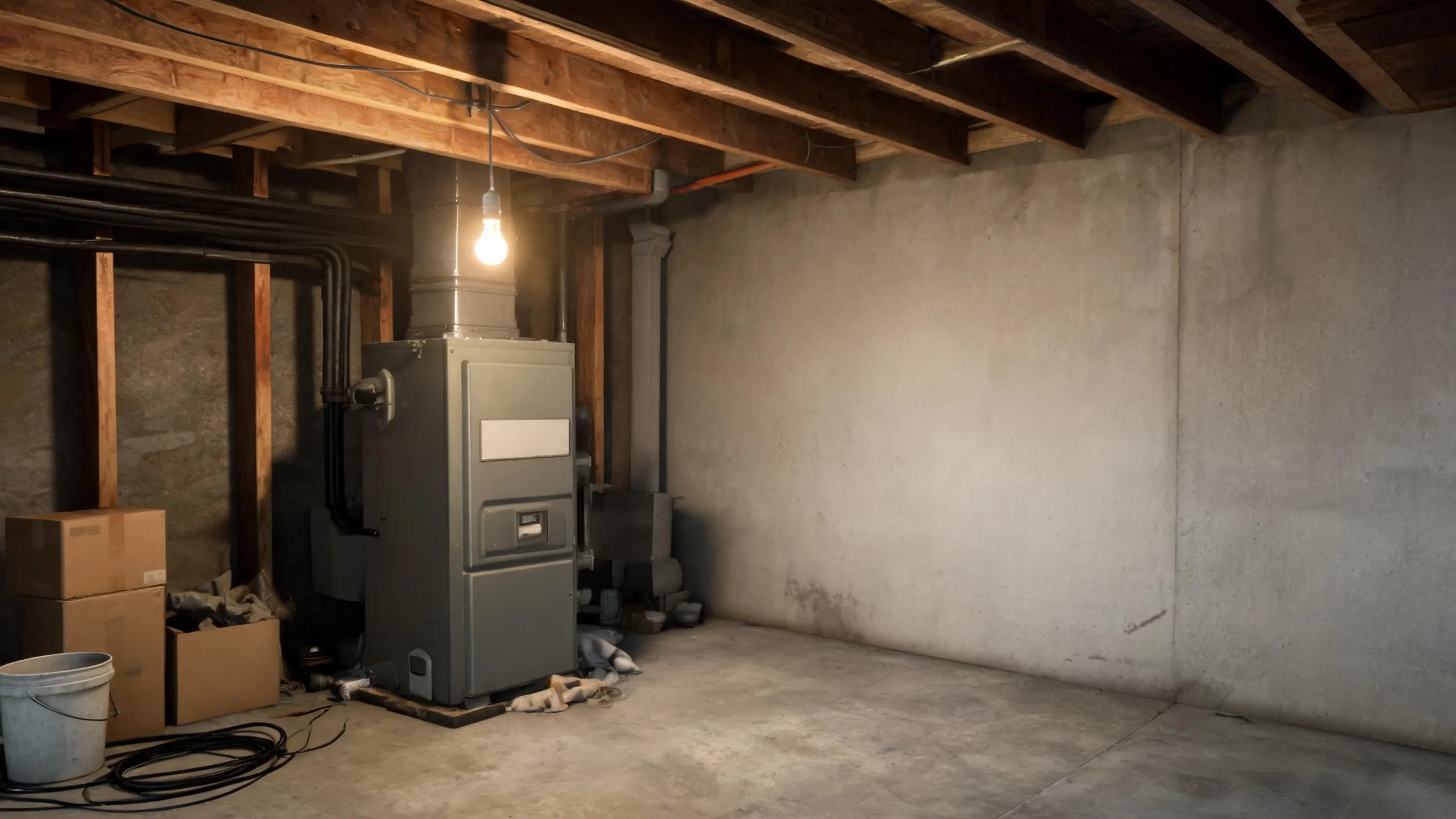
Ten months of heat puts real wear on a Logan furnace
Logan needs a working furnace from September through June. That leaves only two months when the burner doesn't fire, and on nights that average 17°F all winter the furnace is cycling on and off most of the day and night to keep up. Every one of those cycles asks the igniter to light the burner again, and that part wears out from the repeated firing more than from age.
Cache County has seen 46 damaging wind events and 48 winter storms over the past ten years. When the power drops, most furnaces come back on once it's restored, but a storm that knocks out power on a cold night still leaves a house losing heat for however long the outage lasts. If your furnace won't light, cycles too often, or blows air that never gets warm, that's the wear these ten months of heating put on it.
- 10 months
- September through June, your furnace is on duty
- 17°F
- the average winter night it heats against
- 81%
- of homes here heat with gas, so most furnaces here burn gas
- 48 winter storms
- in ten years, the nights a failure hurts most
NOAA nClimDiv, 1991–2020 normals

A new furnace would cut about $140 a year off heating for a typical Cache County home.
Estimates for a typical Cache County home, compared with an older unit built to the previous federal minimum, from EIA household energy data, Utah fuel prices and NOAA climate normals. Your home will differ.
Repair makes sense when one part has failed and the heat exchanger is sound.
Replacement makes sense when the heat exchanger is cracked or the furnace keeps needing parts.
Utah requires HVAC contractors to hold a state license.
Utah licenses HVAC contractors through the Division of Professional Licensing. That license belongs to the contractor, not to any single job, so it follows them from one house to the next. Utah does carve out an exception. Work under $7,000 does not need a licensed contractor, and most furnace repairs fall under that line.
A furnace burns gas, and the connection to the gas line is the part that can turn a repair dangerous if it is done wrong. Above the $7,000 mark, Utah's license is what stands behind the work, since the contractor is the one on record with the state. Below it, that record does not apply, and nothing here fills the gap. In Cache County, most homes heat with gas, which is exactly why that connection is worth getting right no matter which side of the line the repair falls on.
Sources: Utah State Legislature · Utah Department of Commerce
- Why won't my furnace turn on?
- Start with the thermostat. Check that it is set to heat and the temperature is above room temperature, and check the batteries if it has them. If the thermostat looks fine, check the breaker for the furnace and the switch on the furnace itself, which looks like a light switch and is easy to bump off. Many furnaces also have a door or panel that has to be seated correctly or the unit won't run at all. If none of that gets it going, the igniter or a safety switch inside the unit may be the problem, and that needs a contractor to open it up and test the parts.
- Why is my furnace blowing cold air?
- If air is blowing but it is not warm, the furnace may be in a startup cycle where the blower runs briefly before the heat kicks in. If cold air keeps coming and never warms up, the burners may not be igniting even though the blower is running, which points to the igniter or the gas supply. A dirty filter can also cause uneven or weak airflow that feels cooler than it should. Since homes here need heat most of the year, a furnace stuck blowing cold is worth having looked at quickly rather than waiting.
- Why won't my furnace pilot light stay lit?
- A pilot light that won't stay lit is usually the thermocouple, the small sensor that tells the furnace the pilot is burning. When it wears out or gets out of position, it shuts the gas off even though the flame is fine. Drafts near the pilot or a dirty pilot orifice can also blow it out or choke the flame. This is a simple part to replace but not one to keep relighting on your own, especially with winter lows here averaging 17°F and the furnace needed most nights.