
HVAC Repair in Blanding, UT
Homes here need heat from October through May and cooling from June through August. If your system quits, tell us what it's doing and a licensed contractor who covers San Juan County will get in touch.
Tell us about the job
It takes about a minute.

Eleven months of work a year, in weather that swings hard
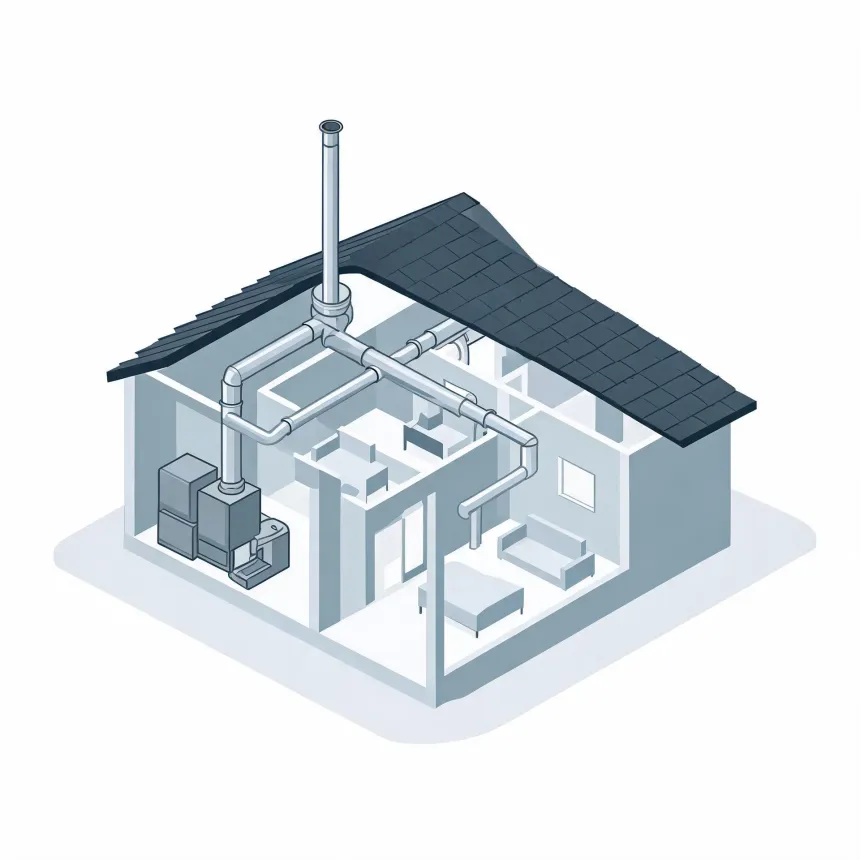
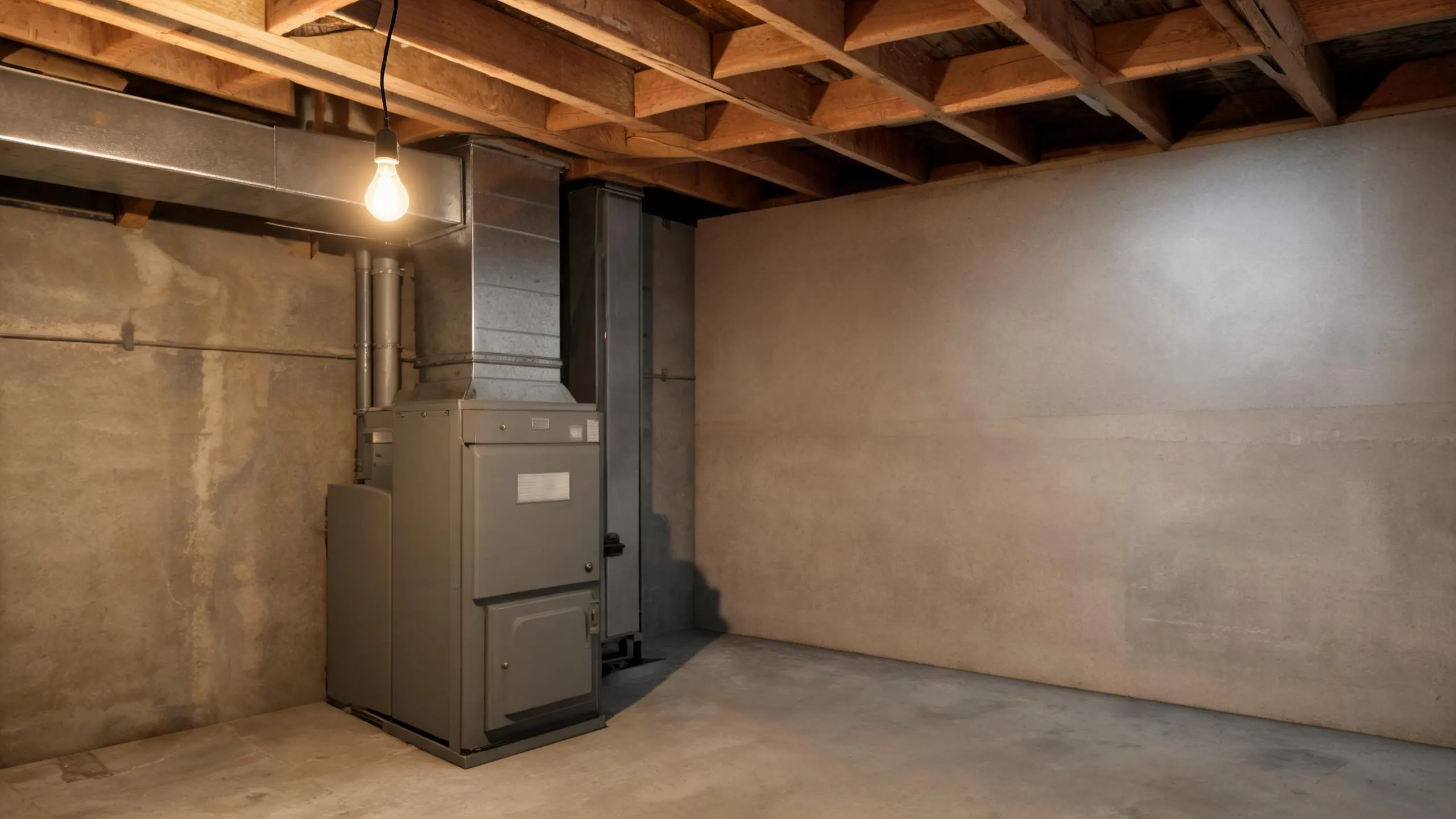
Your furnace in Blanding runs from October through May. That is eight months of the year, and on winter nights that average 23°F it is cycling on and off most of the night to keep up. Every time it fires, the igniter and the burner take the wear. A weak igniter is often the part that finally gives out, and you find it the hard way, when the house is cold and the furnace will not light.
Summer is shorter but no easier on the system. Afternoons average 89°F from June through August, and the air conditioner is the only thing standing between that heat and your living room. That leaves only one month of the year when the system gets a rest. San Juan County has also logged 77 winter storms and 16 damaging wind events over the past ten years, and storms like that knock out power. Most furnaces and air conditioners start back up on their own once power returns, but if yours does not, that is a sign something needs a look.
- 8 months
- October through May, your system heats
- 3 months
- June through August, it cools
- 23°F
- the average winter night it heats against
- 89°F
- the average summer afternoon it cools against
NOAA nClimDiv, 1991–2020 normals
A new furnace and air conditioner would cut about $120 a year off heating and cooling for a typical San Juan County home.
Estimates for a typical San Juan County home, compared with an older unit built to the previous federal minimum, from EIA household energy data, Utah fuel prices and NOAA climate normals. Your home will differ.
Repair makes sense when one part has failed.
Replacement makes sense when the furnace's heat exchanger is cracked, the air conditioner's compressor has failed, or repairs keep coming.
Utah requires HVAC contractors to hold a state license.
Utah's license is held by the contractor, not issued job by job. It covers the business across every repair it takes on, and the Division of Professional Licensing is the state office that tests contractors and grants it.
For a repair like this, that license is what stands behind the work. Utah does carve out an exception. Work under $7,000 does not need a licensed contractor. A heating and cooling repair can land on either side of that line depending on what the job turns out to involve.
Sources: Utah State Legislature · Utah Department of Commerce
- Why is my heat not working?
- Most of the time it comes down to the igniter, the thermostat, or the power getting cut off somewhere along the line. If the furnace does not fire up at all, check that the thermostat is set to heat and above room temperature, and that the switch on the furnace itself is on. Nights here drop to 23°F on average in the winter, so a furnace that is not heating needs attention fast, not just for comfort but because pipes can freeze if the house goes cold for long. If the furnace hums or clicks but never lights, that points to the igniter or the gas valve, and that is a job for a licensed contractor to open up and check.
- Why is my system running but not cooling the house?
- If the fan is running but the air is not cold, the problem is usually with the refrigerant side, not the fan itself. A dirty filter can choke off airflow enough that the coil freezes over, so check that first, it's the one thing you can look at yourself. Summer afternoons here reach 89°F, so a system that is only moving warm air around is not doing its job when it matters most. If the filter is clean and the air still is not cold, the coil or the refrigerant charge likely needs a contractor to look at it.
- What can I check before calling for HVAC repair?
- Start with the thermostat. Make sure it is set to the mode you want, heat or cool, and that the temperature you set is actually past the current room temperature. Check the filter next, a clogged one restricts airflow and can shut a system down or freeze a coil. Look at the breaker panel too, since a tripped breaker will stop a furnace or air conditioner cold and takes a second to check. If all of that looks fine and the system still is not working, that is when it needs a licensed contractor to diagnose it further.