
HVAC Repair in Kanab, UT
Homes here need heat from October through May and cooling from June through August. If your system quits, tell us what it's doing and a licensed contractor who covers Kane County will get in touch.
Tell us about the job
It takes about a minute.
Eleven months of work, out here
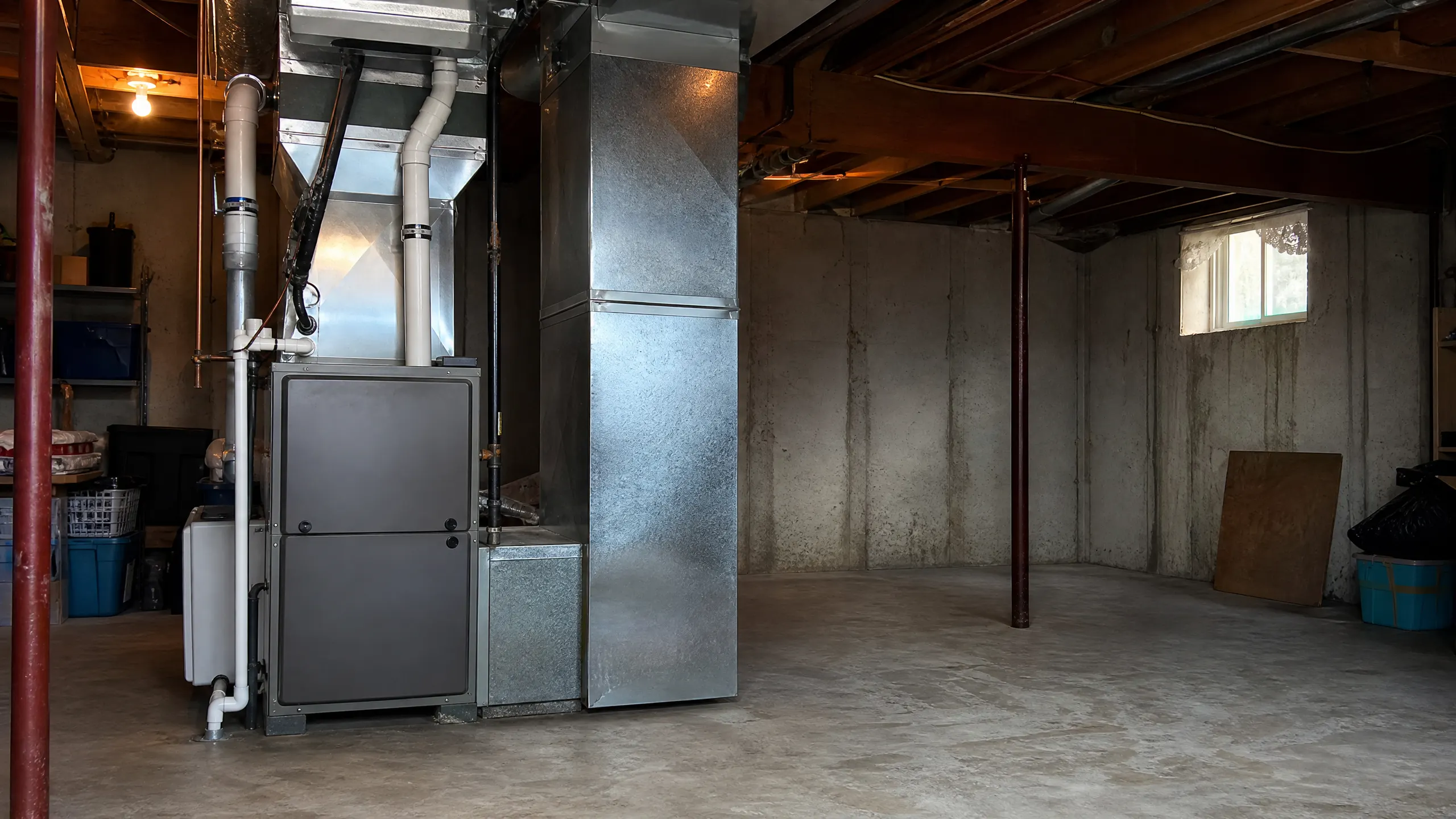
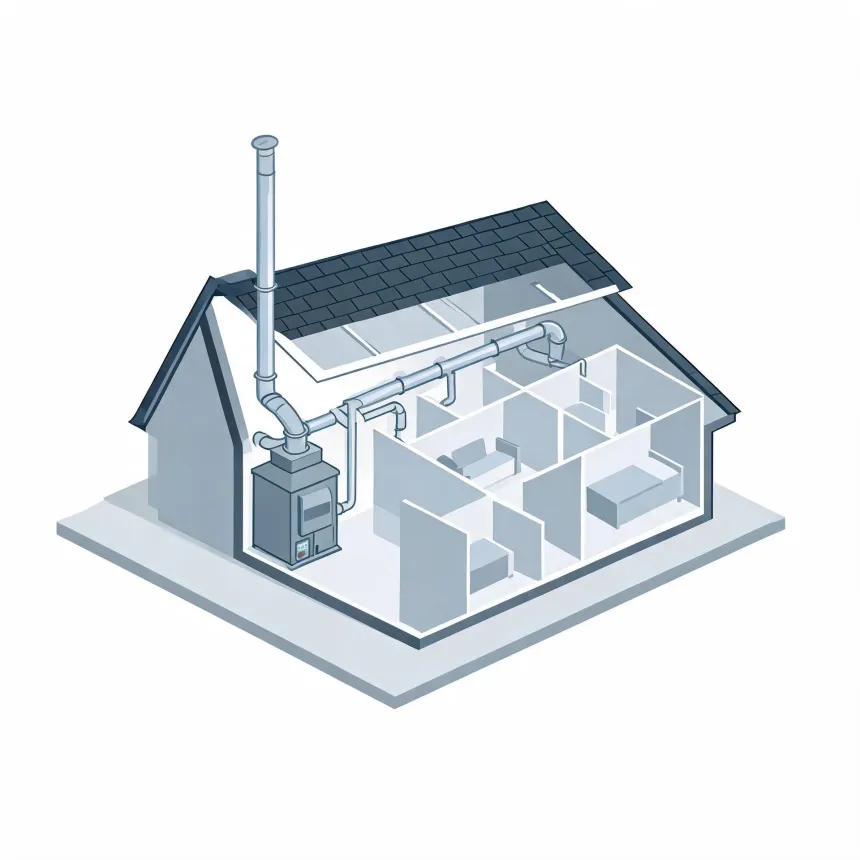
Kane County only gives your system about one month off. Heat runs from October through May, cooling from June through August, so most of the year something is working to keep the house comfortable. That kind of run time wears on parts faster than a system that gets real rest.
Winter nights averaging 23°F mean your furnace cycles on and off for hours at a stretch, and every start puts load on the igniter and the heat exchanger. Come summer, afternoons near 88°F push the compressor hard for months. More than half of homes here heat with electricity, and if a storm knocks out power, that heat stops until it's back on. This area has logged 40 winter storms and 11 damaging wind events over the past ten years.
- 8 months
- October through May, your system heats
- 3 months
- June through August, it cools
- 23°F
- the average winter night it heats against
- 88°F
- the average summer afternoon it cools against
NOAA nClimDiv, 1991–2020 normals
Utah requires HVAC contractors to hold a state license.
The Division of Professional Licensing tests HVAC contractors and keeps the record on file. That license belongs to the contractor, not to any single job, so the same license covers this repair and the next one. Utah sets a line at $7,000. Work under that amount does not need a licensed contractor.
A heating and cooling repair like this one falls under that rule. If the job costs $7,000 or more, the person doing it needs to hold that state license. If it comes in under that amount, Utah does not require the contractor to be licensed for it.
Sources: Utah State Legislature · Utah Department of Commerce
- Why is my heat not working?
- Start with the thermostat and the power to the furnace. If the screen is blank, check the breaker and any switch that looks like a light switch near the unit, since that shuts the furnace off. A furnace that won't ignite is often the igniter or the flame sensor, both of which wear out over time and need to be replaced, not cleaned. At 23°F on a winter night here, a furnace that won't start is worth calling in fast, since the house cools quickly at that temperature.
- Why is my system running but not cooling the house?
- Check the air filter first. A filter clogged with dust blocks airflow across the coil, and the coil can ice over when that happens, which stops it from pulling heat out of the air at all. If the filter is clean, look at the outdoor unit and clear any leaves or debris around it, since it needs open air to release the heat it collects from inside. A system that's low on refrigerant will also run without cooling, but that's a leak a contractor has to find and fix, not something to add to on your own.
- What can I check before calling for HVAC repair?
- Check the thermostat setting and its batteries, the breaker for the unit, and the air filter. A dead thermostat display or a tripped breaker looks like a bigger problem than it is. Look at the outdoor unit too, and clear away anything blocking it, leaves, snow, or ice. If none of that explains it, the problem is inside the system, and that's a job for a licensed contractor to diagnose.