
HVAC Repair in Price, UT
Homes here need heat from September through May and cooling from July through July. If your system quits, tell us what it's doing and a licensed contractor who covers Carbon County will get in touch.
Tell us about the job
It takes about a minute.
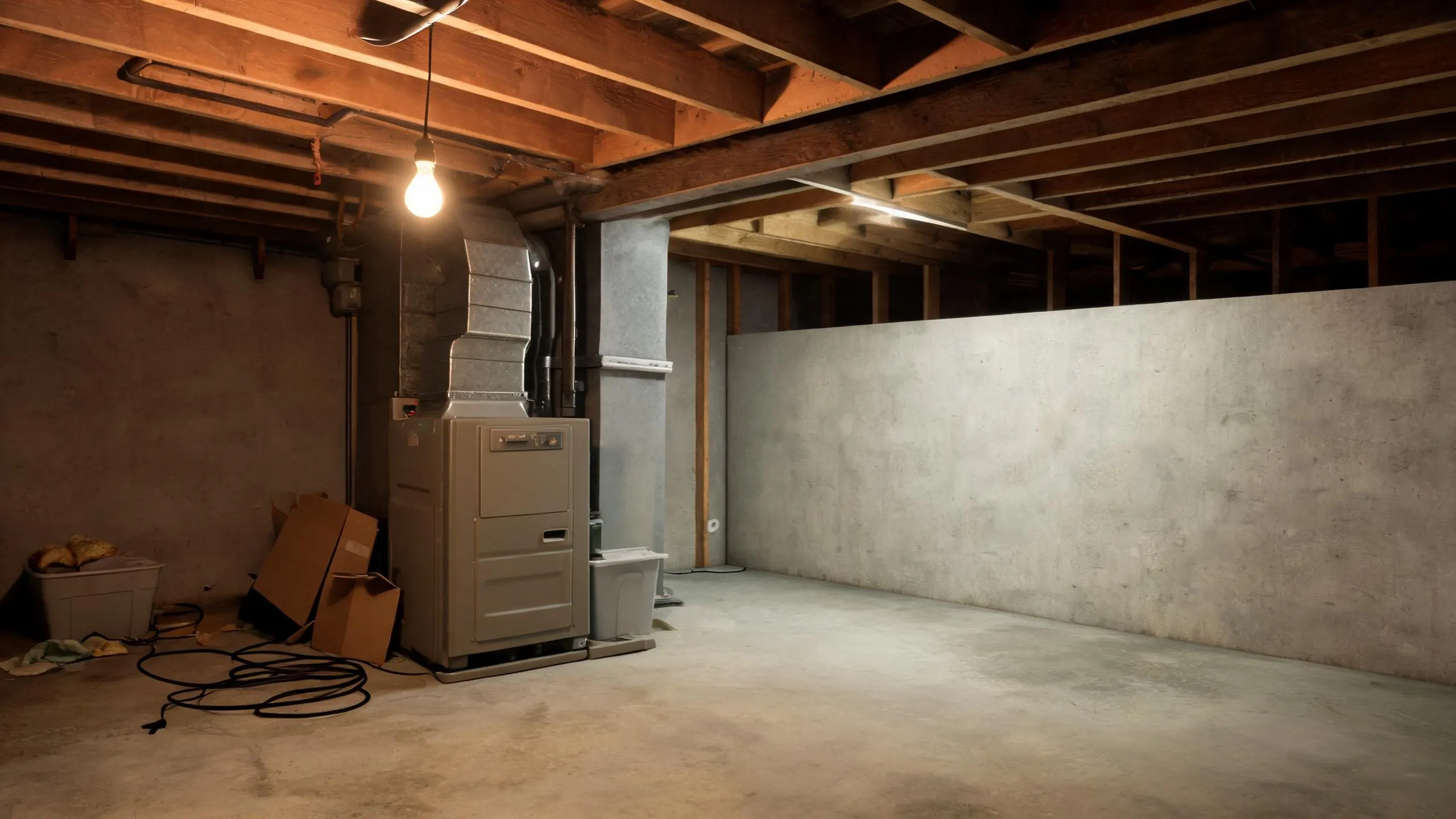
Nine months of heat, one month of cooling, and cold nights in between
Homes in Carbon County need heat from September through May. Winter nights average 15°F from December through February, cold enough that a furnace can run for hours at a stretch to hold the house. That kind of run time wears on the igniter and the blower motor, and both tend to fail on the coldest nights, which is exactly when you notice.
Summer is short here, just July, with afternoons averaging around 80°F, so the air conditioner gets far less use than the furnace. A system that sits idle most of the year can still have a weak capacitor or a low refrigerant charge waiting to show up the first hot week it runs. Most homes here heat with gas, and the area has seen 29 winter storms and 12 damaging wind events over the past ten years, the kind of weather that knocks out power and shuts a furnace down until the power comes back.
- 9 months
- September through May, your system heats
- 1 months
- July through July, it cools
- 15°F
- the average winter night it heats against
- 80°F
- the average summer afternoon it cools against
NOAA nClimDiv, 1991–2020 normals

A new furnace and air conditioner would cut about $140 a year off heating and cooling for a typical Carbon County home.
Estimates for a typical Carbon County home, compared with an older unit built to the previous federal minimum, from EIA household energy data, Utah fuel prices and NOAA climate normals. Your home will differ.
Repair makes sense when one part has failed.
Replacement makes sense when the furnace's heat exchanger is cracked, the air conditioner's compressor has failed, or repairs keep coming.
Utah requires HVAC contractors to hold a state license.
The license comes from the Division of Professional Licensing, so the state tested this contractor and keeps a record of who holds one. It covers the contractor, not the job, so it doesn't reset from one house to the next. Utah also draws a line at $7,000. Work under that amount does not need a licensed contractor, so on a smaller repair the license is not a given.
On a heating and cooling repair, that license is what stands behind the person doing the work, since Utah is one of the states that tests and tracks who holds one. If this job runs under $7,000, that same guarantee does not apply, and it is worth knowing which side of that line the work falls on.
Sources: Utah State Legislature · Utah Department of Commerce
- Why is my heat not working?
- Start with the thermostat and the power to the furnace. If the thermostat screen is blank, check the breaker and the furnace switch, which looks like a light switch near the unit. Gas furnaces also need a pilot light or an igniter to work, and if the igniter has failed the furnace will run air but never get warm. With winter nights here averaging 15°F, a furnace that is only partly working can still leave a house cold fast, so this is worth calling in even if the furnace turns on.
- Why is my system running but not cooling the house?
- The blower can run while the part that actually cools the air has stopped working. A dirty air filter blocks airflow across the coil and can cause it to ice over, and once that happens the air coming out feels warm instead of cold. Low refrigerant from a leak does the same thing. Check the filter first, since that is the one thing you can rule out yourself before calling for repair.
- What can I check before calling for HVAC repair?
- Check the thermostat batteries and settings, the breaker for the system, and the air filter. A filter clogged with dust restricts airflow and can cause a furnace or air conditioner to shut itself off or run without heating or cooling properly. Also check that vents around the house are open and not blocked by furniture or rugs. If those all check out and the system still is not working, a licensed contractor will need to look at it and can price the repair once they see what the house needs.