
HVAC Repair in Ephraim, UT
If your system quits, tell us what it's doing and a licensed contractor who covers Sanpete County will get in touch.
Tell us about the job
It takes about a minute.
Ten months of heat, sixteen degrees at night
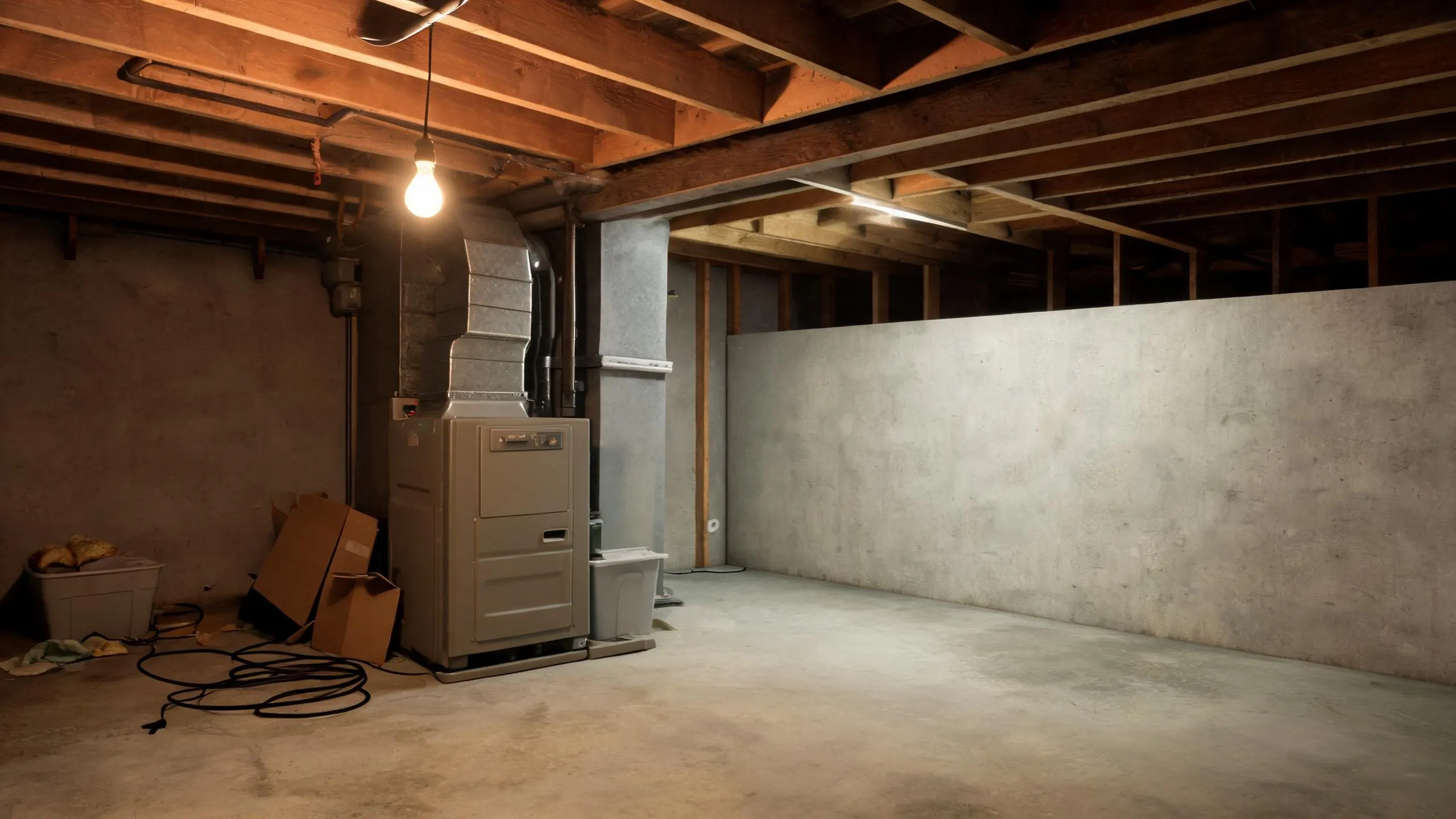
Your furnace in Ephraim runs from September through June. That is ten months of the year with only a short break in summer. On winter nights that average 16°F, it cycles on and off for hours to keep the house warm. Each cycle puts wear on the igniter and the burner.
Most homes here heat with gas. When a furnace starts to fail, it shows up fast on nights this cold, a house that won't hold heat, a burner that won't light, short cycles that never catch up. Summer asks little of the system by comparison, with afternoons averaging a mild 78°F. It is the winter months that wear a furnace down.
- 10 months
- September through June, your system heats
- 16°F
- the average winter night it heats against
- 78°F
- the average summer afternoon it cools against
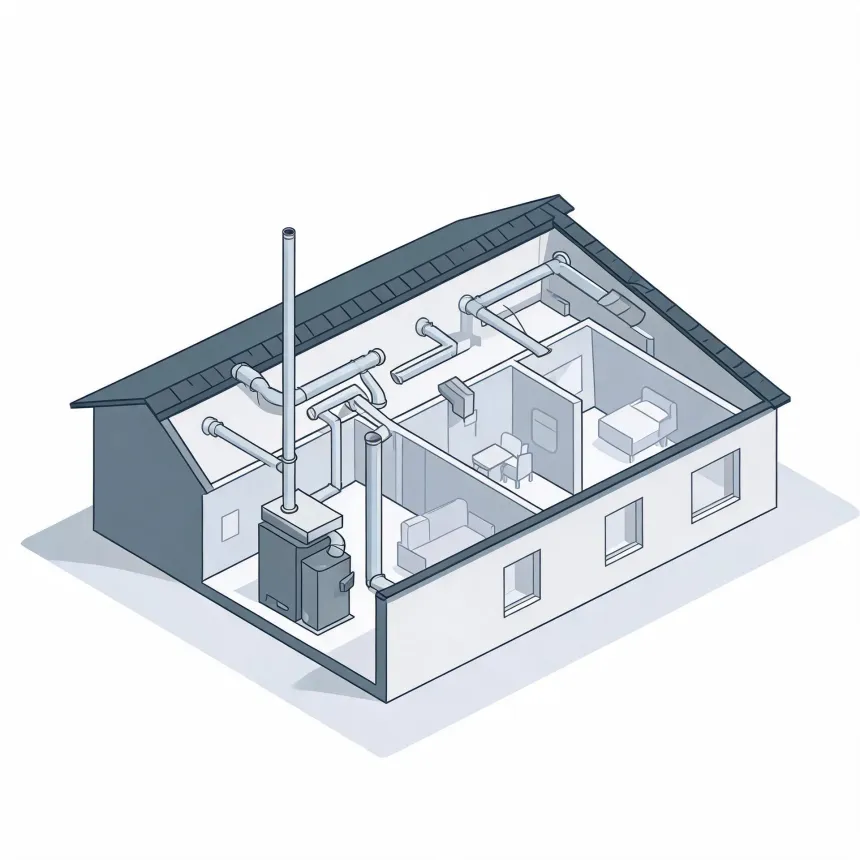
A new furnace and air conditioner would cut about $130 a year off heating and cooling for a typical Sanpete County home.
Estimates for a typical Sanpete County home, compared with an older unit built to the previous federal minimum, from EIA household energy data, Utah fuel prices and NOAA climate normals. Your home will differ.
Repair makes sense when one part has failed.
Replacement makes sense when the furnace's heat exchanger is cracked, the air conditioner's compressor has failed, or repairs keep coming.
Utah requires HVAC contractors to hold a state license.
The Division of Professional Licensing tests contractors before they can hold this license, and it keeps a record of who has one. That license belongs to the contractor, not to any single job, so the same license that qualifies someone to install a furnace also covers repair work on your heating and cooling system.
Repair work under $7,000 falls outside this requirement, so a smaller job in Sanpete County may not need a licensed contractor at all. Above that amount, the license is what stands behind the person working on your system, tested and on record with the state.
Sources: Utah State Legislature · Utah Department of Commerce
- Why is my heat not working?
- Most of the time it comes down to the igniter, the thermostat, or airflow blocked at the filter. Gas furnaces use an igniter to light the burners, and once that part fails the furnace will not produce heat even though the blower may still run. A dirty filter can also choke off airflow until the furnace shuts itself down to protect the heat exchanger. Check the thermostat first, since a dead battery or a setting bumped to cool will look exactly like a broken furnace. With winter nights here averaging 16°F, a furnace that will not fire needs attention the same day.
- Why is my system running but not cooling the house?
- If the blower or outdoor unit is running but the air coming out is not cold, the system is moving air without actually cooling it. This usually points to something blocking heat transfer, like a dirty coil or a refrigerant problem, or a duct issue that keeps cooled air from reaching the rooms. A clogged filter can also starve the system of airflow and leave it running with little effect. None of these are something to diagnose from the thermostat, so a contractor will need to check the coil and refrigerant charge directly.
- What can I check before calling for HVAC repair?
- Start with the thermostat. Make sure it is set to heat or cool as needed, the batteries are good, and the temperature setting actually calls for the system to run. Next check the filter, since a clogged one restricts airflow and can cause a furnace or air conditioner to shut down or run poorly. Look at the breaker panel too, since a tripped breaker will stop the system cold with no other symptoms. If those all check out and the system still is not working, the problem is inside the equipment and needs a licensed contractor to look at it.