
HVAC Installation in Ephraim, UT
Tell us about the house, and a licensed contractor who covers Sanpete County will get in touch.
Tell us about the job
It takes about a minute.
Ten months of heat a year, and nights near 16°F
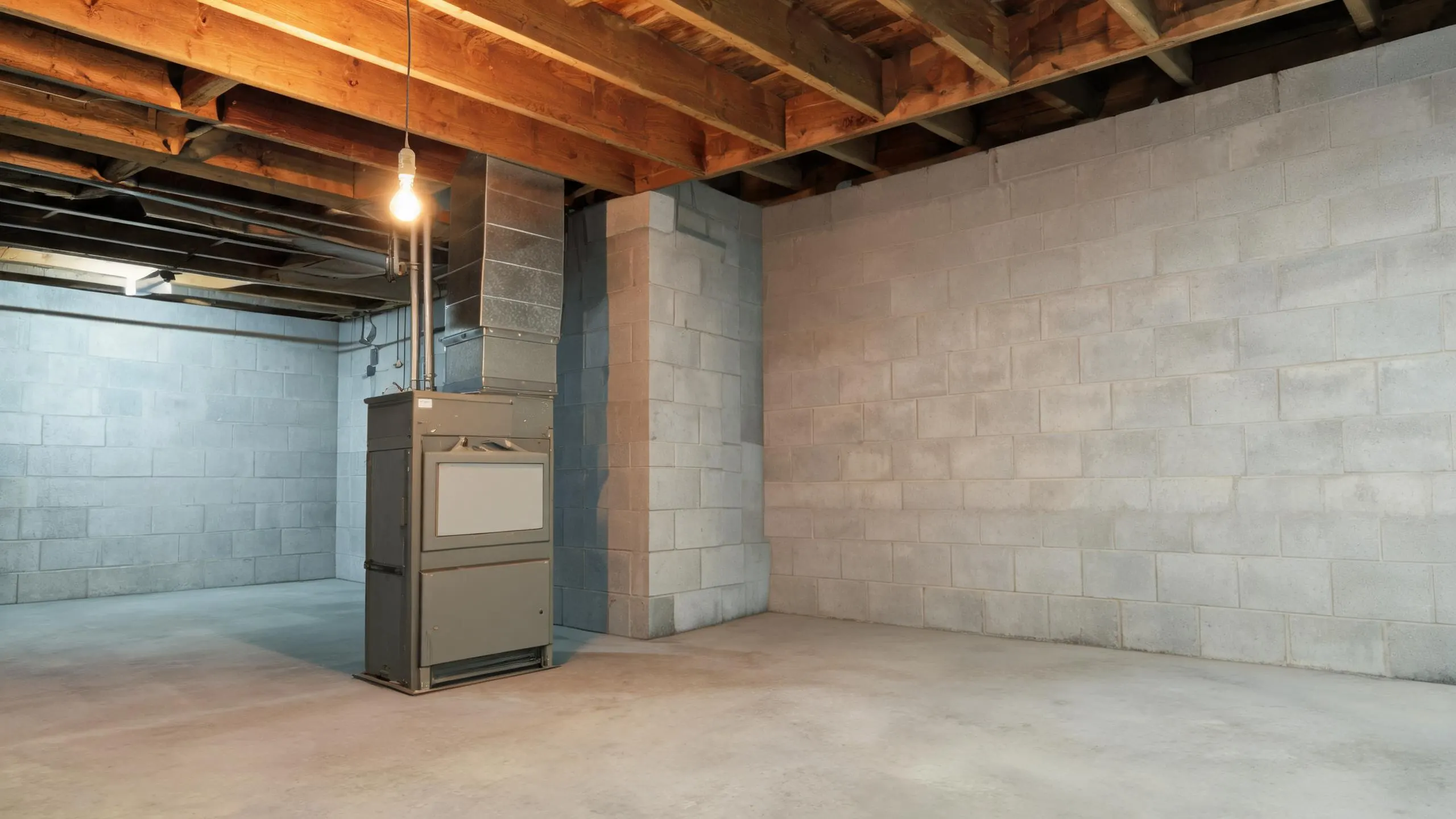
Ephraim needs heat from September through June. That is ten months of the year the furnace has to work, with winter nights averaging 16°F from December through February. A system sized for a mild climate will run constantly here and still struggle to keep up on the coldest nights.
Summer afternoons average 78°F, so cooling asks much less of the system than heat does. Most homes here already heat with gas, and whatever replaces an old furnace or heat pump needs to meet the current federal efficiency minimum. Sanpete County has seen 52 winter storms and 10 damaging wind events over the past ten years, and about 7% of Utah households lost power for a day or more in 2024. A new system should be able to come back on by itself once power returns, without anyone having to reset it by hand.
- 10 months
- September through June, your system heats
- 16°F
- the average winter night it heats against
- 78°F
- the average summer afternoon it cools against
Utah requires HVAC contractors to hold a state license.
Utah licenses HVAC contractors through the Division of Professional Licensing. That license covers the contractor as a business, tested and on record with the state, not each individual job. Utah also carves out an exception for small jobs. Work under $7,000 does not need a licensed contractor.
The license is what stands behind the contractor. The permit is what checks this job. In most cities and counties in Utah, installing a furnace, air conditioner or heat pump needs a permit from the local building office, with an inspection once the work is done.
Sources: Utah State Legislature · Utah Department of Commerce
- When should I replace my HVAC system?
- Replace it when repairs cost more than they're worth or when the system can't keep up anymore. Homes here need heat from September through June, so the furnace runs most of the year and gets little rest between seasons. Watch for short cycling, uneven heat, or a technician telling you the heat exchanger is cracked or the compressor is failing. If the system is old and something major breaks, replacing it usually makes more sense than sinking money into a repair, especially with winter nights here averaging 16°F.
- Should I replace my furnace and air conditioner at the same time?
- If both are old, replacing them together makes sense, since a furnace and air conditioner are built to work as a matched pair. Pair a new unit with an old one and neither runs as efficiently, and the strain can wear out the newer unit faster too. That said, if your air conditioner still has plenty of life left, there's no reason to replace it just because the furnace failed. A contractor can look at the age and condition of both and tell you whether pairing them makes sense for your house.
- What happens during an HVAC installation?
- A contractor removes the old furnace and air conditioner, sets the new equipment in place, and connects it to the ductwork, gas line, electrical, and condensate drain. After that, they check the refrigerant charge, test the ignition system, and confirm air is moving through the ducts the way it should. This job needs a permit from the local building office and an inspection once the work is done. It also needs a licensed contractor, since installing a heating and cooling system falls well outside the small jobs Utah allows unlicensed work on. A contractor will price the job once they've seen the house.