
HVAC Installation in Delta, UT
A new system here will heat from October through May and cool from June through August every year. Tell us about the house, and a licensed contractor who covers Millard County will get in touch.
Tell us about the job
It takes about a minute.
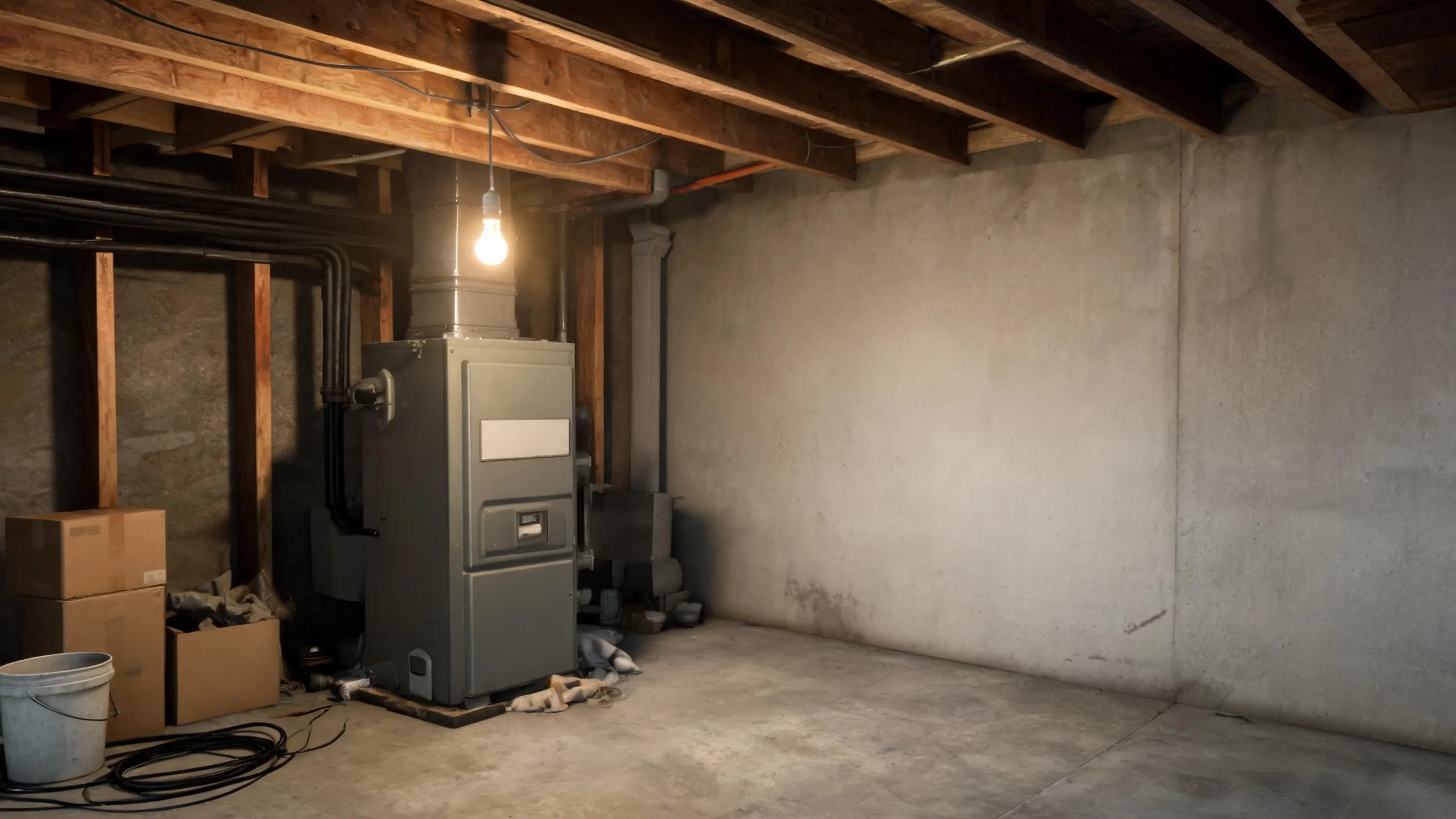
Delta asks a new system to work most of the year
Winter nights here average 20°F from December through February, and homes need heat from October through May, eight months of the year. Summer afternoons run to 89°F, with cooling needed June through August. Add those up and a heating or cooling system is doing something eleven months out of the year.
A new furnace has to hold up to that long, cold winter, and a new air conditioner or heat pump has to keep up on hot afternoons all summer. Whatever goes in has to meet the federal minimum efficiency rating, and with both seasons this long, getting the size right matters more here than somewhere with a short winter or a short summer.
- 8 months
- October through May, your system heats
- 3 months
- June through August, it cools
- 20°F
- the average winter night it heats against
- 89°F
- the average summer afternoon it cools against
NOAA nClimDiv, 1991–2020 normals
Utah requires HVAC contractors to hold a state license.
The Division of Professional Licensing tests and records HVAC contractors before they can hold a license in Utah. That license belongs to the contractor, not to any single job, so it travels with them from one house to the next. Work under $7,000 falls outside that requirement, but a full heating and cooling installation runs well past that line, so the contractor doing this job needs to be licensed.
The license tells you the state has tested this contractor. It does not stand in for the permit this job needs. In most cities and counties around Millard County, installing a furnace, air conditioner or heat pump requires a permit from the local building office, and the finished work gets inspected before it is signed off. That inspection is what catches a bad gas connection or a refrigerant line that was not sealed right, the parts of the job where a mistake matters most.
Sources: Utah State Legislature · Utah Department of Commerce
- When should I replace my HVAC system?
- Replace it when repairs start costing more than they used to, or when the unit is old enough that another breakdown feels like a matter of time. Once a system is old, parts get harder to find and it runs less efficiently than it used to. Heat is needed here from October through May, so a furnace that struggles in December is worth replacing before it fails on a 20°F night rather than after. If the unit is fairly new and the repair is minor, fixing it usually makes more sense than replacing it.
- Should I replace my furnace and air conditioner at the same time?
- If both are old, yes, it's worth doing together. A furnace and air conditioner installed at the same time are matched to work with each other, and a contractor only has to open up the ductwork and wiring once. That said, if your air conditioner is fairly new and your furnace is old, there's no reason to replace the newer unit just to pair it with the old one. A contractor can look at the age and condition of each and tell you honestly whether replacing both makes sense now or later.
- What happens during an HVAC installation?
- A contractor removes the old furnace and air conditioner, sets the new ones in place, and connects them to the existing ductwork, gas line, electrical, and refrigerant lines. They check that the ducts are sized right for the new equipment and seal up any connections that need it. Once everything is running, they test it, including the thermostat and any safety switches. Because this is a heating and cooling system install, it needs a permit from the local building office and an inspection when the work is finished.