
HVAC Installation in Beaver, UT
A new system here will heat from October through May and cool from June through August every year. Tell us about the house, and a licensed contractor who covers Beaver County will get in touch.
Tell us about the job
It takes about a minute.
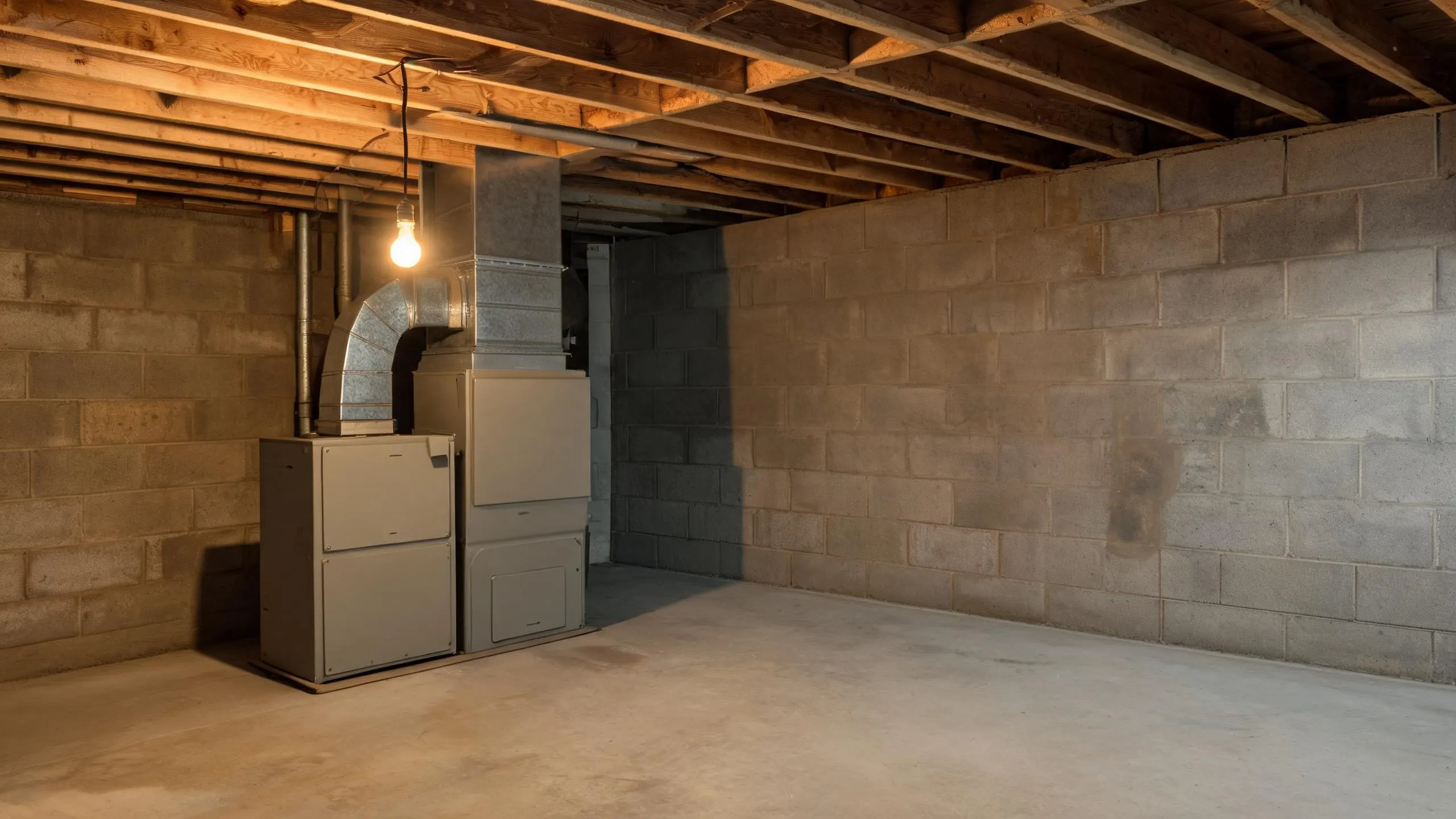
Beaver County asks a lot out of a system, most of the year
Winter nights here average 19°F from December through February, and homes need heat from October through May, eight months straight. Summer afternoons average 86°F, with cooling needed June through August. That leaves only one month where the system just sits idle. A new furnace or heat pump has to hold up through a long, cold heating season, then a shorter but real cooling season, without much rest between them.
Most homes here heat with gas, and that furnace has to be sized and installed to keep up on the coldest nights, not just the average ones. Whatever goes in has to meet the federal efficiency minimum, and getting the sizing and setup right from the start matters more here than in places where the system barely runs.
- 8 months
- October through May, your system heats
- 3 months
- June through August, it cools
- 19°F
- the average winter night it heats against
- 86°F
- the average summer afternoon it cools against
NOAA nClimDiv, 1991–2020 normals
Utah requires HVAC contractors to hold a state license.
Utah licenses HVAC contractors through the Division of Professional Licensing. That license means the state tested the contractor and keeps a record of them, and it covers the contractor rather than any single job. Work under $7,000 is the one exception, and it does not need a licensed contractor.
A full heating and cooling installation almost always costs more than that, so the contractor doing this job should hold that state license. Once the system is in, the local building office is who checks the work. Most cities and counties require a permit for a furnace, air conditioner or heat pump replacement, and an inspection once the installation is finished.
Sources: Utah State Legislature · Utah Department of Commerce
- When should I replace my HVAC system?
- Replace it when repairs start coming often, when the same part keeps failing, or when a contractor tells you the repair costs a good share of what a new system costs. An aging system tends to break down more, not less, as time goes on. With winter lows here averaging 19°F, a furnace that fails on a cold night is not something to gamble on. A contractor can look at the age and condition of your system and tell you whether it is worth repairing again or time to replace it.
- Should I replace my furnace and air conditioner at the same time?
- If they are close in age, yes, it usually makes sense to do both together. Homes here need heat or cooling 11 months of the year, so both systems get heavy use and tend to wear down on a similar schedule. Replacing them in the same job also means the new furnace and air conditioner are matched to work together, rather than pairing new equipment with an old blower or coil sized for a different system. A contractor can look at the age and condition of each unit and tell you whether both need to go now or whether one still has years left.
- What happens during an HVAC installation?
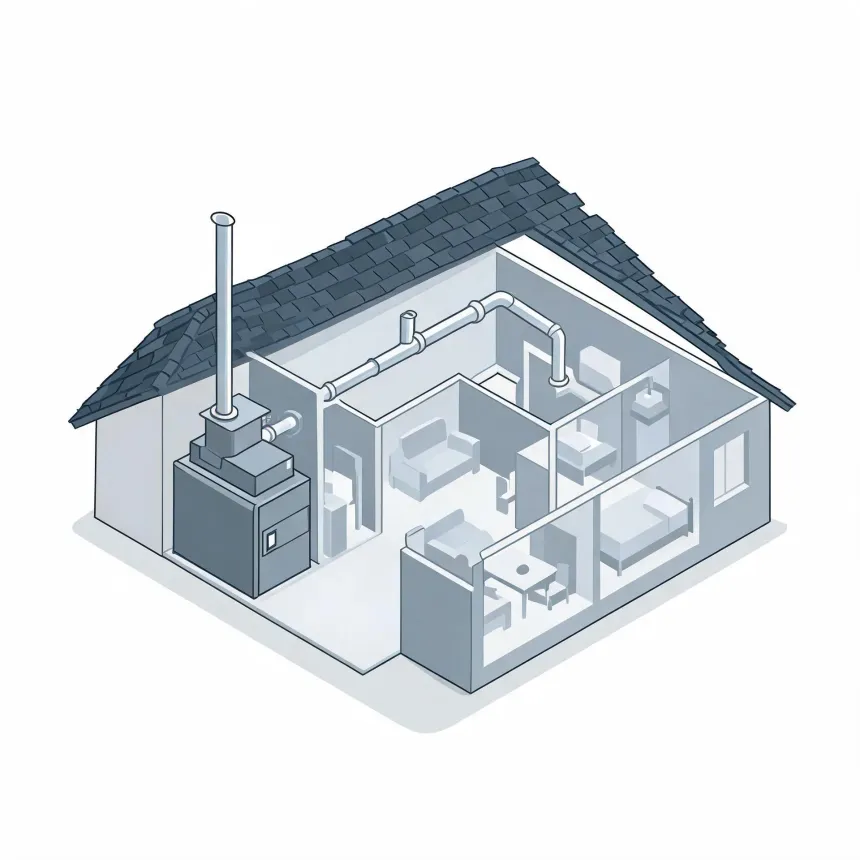
- A contractor removes the old furnace and air conditioner, sets the new equipment in place, and connects it to the ducts, gas line, refrigerant lines, and electrical. Once it is connected, they check the airflow, the refrigerant charge, and the gas pressure to make sure the system is running the way it should. Installing a heating and cooling system needs a permit from the local building office, along with an inspection when the work is done. Utah also requires the contractor doing the work to hold a state HVAC license, which you can confirm through the Division of Professional Licensing before the job starts.