
HVAC Repair in Delta, UT
Homes here need heat from October through May and cooling from June through August. If your system quits, tell us what it's doing and a licensed contractor who covers Millard County will get in touch.
Tell us about the job
It takes about a minute.
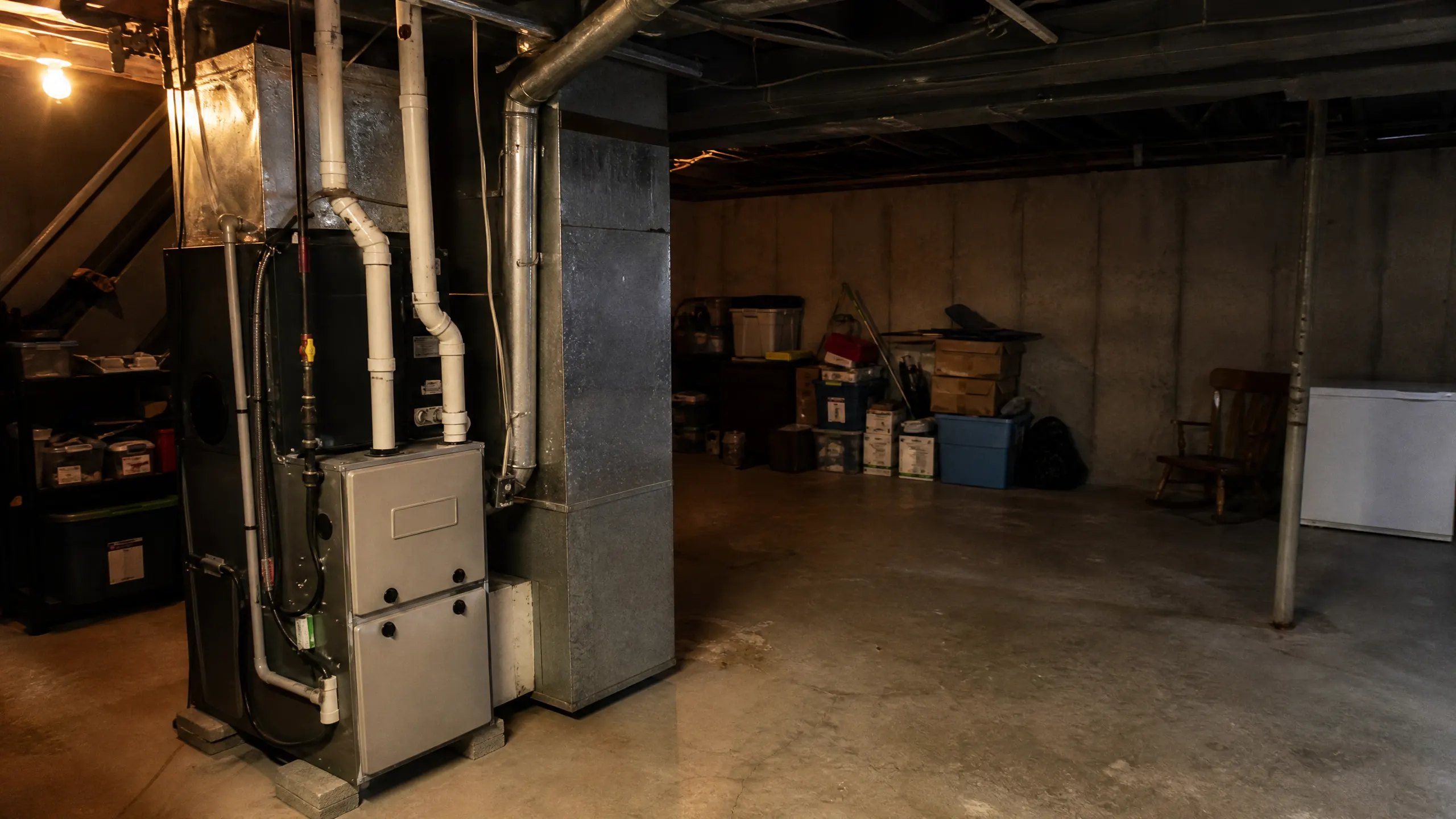
Delta asks a lot of your system, most of the year
Your furnace works October through May here, eight months of the year, and winter nights average 20°F from December through February. On those cold nights it cycles on and off again and again to hold the house steady, and each start puts wear on the igniter and the parts that light the burner. When one of those parts finally gives out, the burner won't light and the house goes cold.
Come summer your air conditioner takes over for three months, working against afternoons that average 89°F. That kind of heat keeps the compressor running hard for hours at a stretch. Delta has also seen 32 winter storms and 39 damaging wind events over the past ten years, and storms like that bring the power outages that stop a system cold no matter what shape it's in.
- 8 months
- October through May, your system heats
- 3 months
- June through August, it cools
- 20°F
- the average winter night it heats against
- 89°F
- the average summer afternoon it cools against
NOAA nClimDiv, 1991–2020 normals

A new furnace and air conditioner would cut about $130 a year off heating and cooling for a typical Millard County home.
Estimates for a typical Millard County home, compared with an older unit built to the previous federal minimum, from EIA household energy data, Utah fuel prices and NOAA climate normals. Your home will differ.
Repair makes sense when one part has failed.
Replacement makes sense when the furnace's heat exchanger is cracked, the air conditioner's compressor has failed, or repairs keep coming.
Utah requires HVAC contractors to hold a state license.
The Division of Professional Licensing tests and records the people who hold this license in Utah. The license covers the contractor as a business, not each individual job, so the same license stands behind everything they do rather than getting renewed per repair. Work under $7,000 falls outside that requirement, so a smaller repair can legally be done without a licensed contractor.
A heating and cooling repair can land on either side of that line depending on what it costs. If the job is $7,000 or more, the contractor doing it has to hold the state license, and the Division has a record of who they are. If it comes in under that amount, Utah does not require the person working on your system to be licensed at all.
Sources: Utah State Legislature · Utah Department of Commerce
- Why is my heat not working?
- Most often it's the igniter, a flame sensor that needs cleaning, or the thermostat calling for heat but not getting a response. Check first that the thermostat is set to heat and the batteries are good. Check your breaker panel too, since a tripped breaker will shut the furnace down with no warning. If the furnace runs but never lights, or lights and then shuts off again, that points to the igniter or flame sensor, and a contractor will need to look at it. At 20°F average lows here, this isn't one to leave for later.
- Why is my system running but not cooling the house?
- Check your air filter first. A clogged filter blocks airflow across the coil, and when that happens the coil can ice over so the air coming out feels warm instead of cold. Check the outdoor unit too. Dirt or leaves packed against the outdoor coil keep it from shedding heat, and it needs clear airflow to work. If the filter is clean and the outdoor unit is clear and you're still not getting cold air, the system likely needs a refrigerant check or other repair a contractor will need to diagnose.
- What can I check before calling for HVAC repair?
- Start with the thermostat. Make sure it's set to the right mode and the temperature is actually calling for heat or cooling. Check the air filter next, since a dirty one restricts airflow and can cause problems that look like something bigger. Check your breaker panel for a tripped breaker, and if you have a gas furnace, make sure the gas valve is open. If those all check out and the system still isn't working right, that's the point to call a contractor, since anything past this needs a licensed technician to open the system up.