
HVAC Repair in Richfield, UT
Homes here need heat from September through June and cooling from July through July. If your system quits, tell us what it's doing and a licensed contractor who covers Sevier County will get in touch.
Tell us about the job
It takes about a minute.
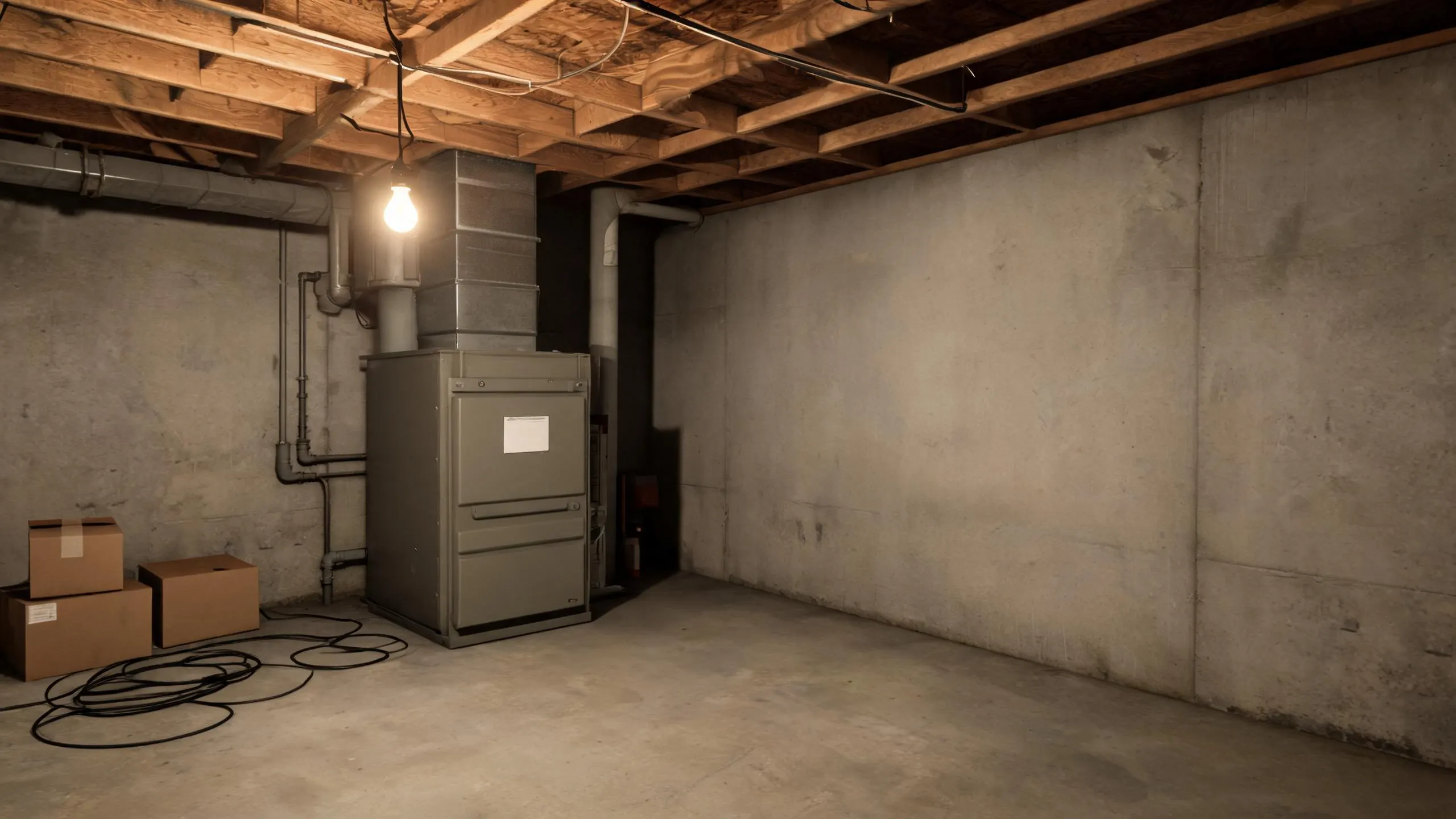
Ten months of heat, one month of cooling, and almost no in between
Richfield asks for heat from September through June. That is ten months of a furnace lighting and shutting off, night after night, with winter lows near 17°F. Each start puts a little more wear on the igniter and the ignition control. When one finally gives out, the furnace stops mid-cycle and the house cools fast in that kind of cold.
July is the only month the air conditioner has real work to do, with afternoons near 78°F. A system that sits idle most of the year can still develop a weak capacitor or a low refrigerant charge, and it shows the first hot week it runs hard. Most homes here heat with gas, so a furnace problem in December is not something to wait out.
- 10 months
- September through June, your system heats
- 1 months
- July through July, it cools
- 17°F
- the average winter night it heats against
- 78°F
- the average summer afternoon it cools against
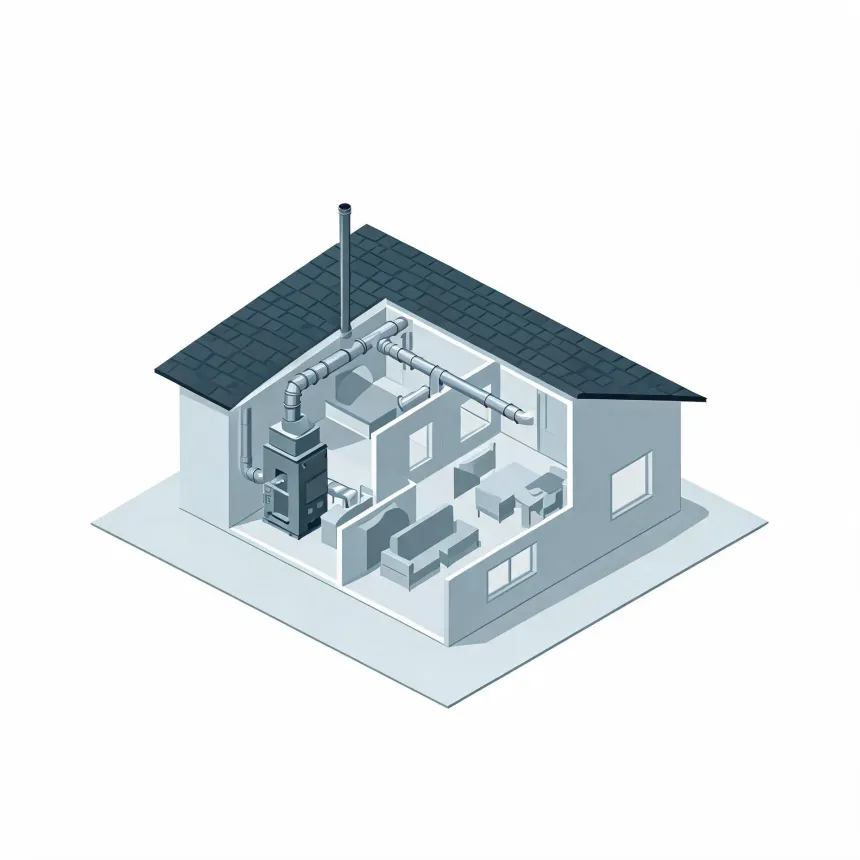
NOAA nClimDiv, 1991–2020 normals
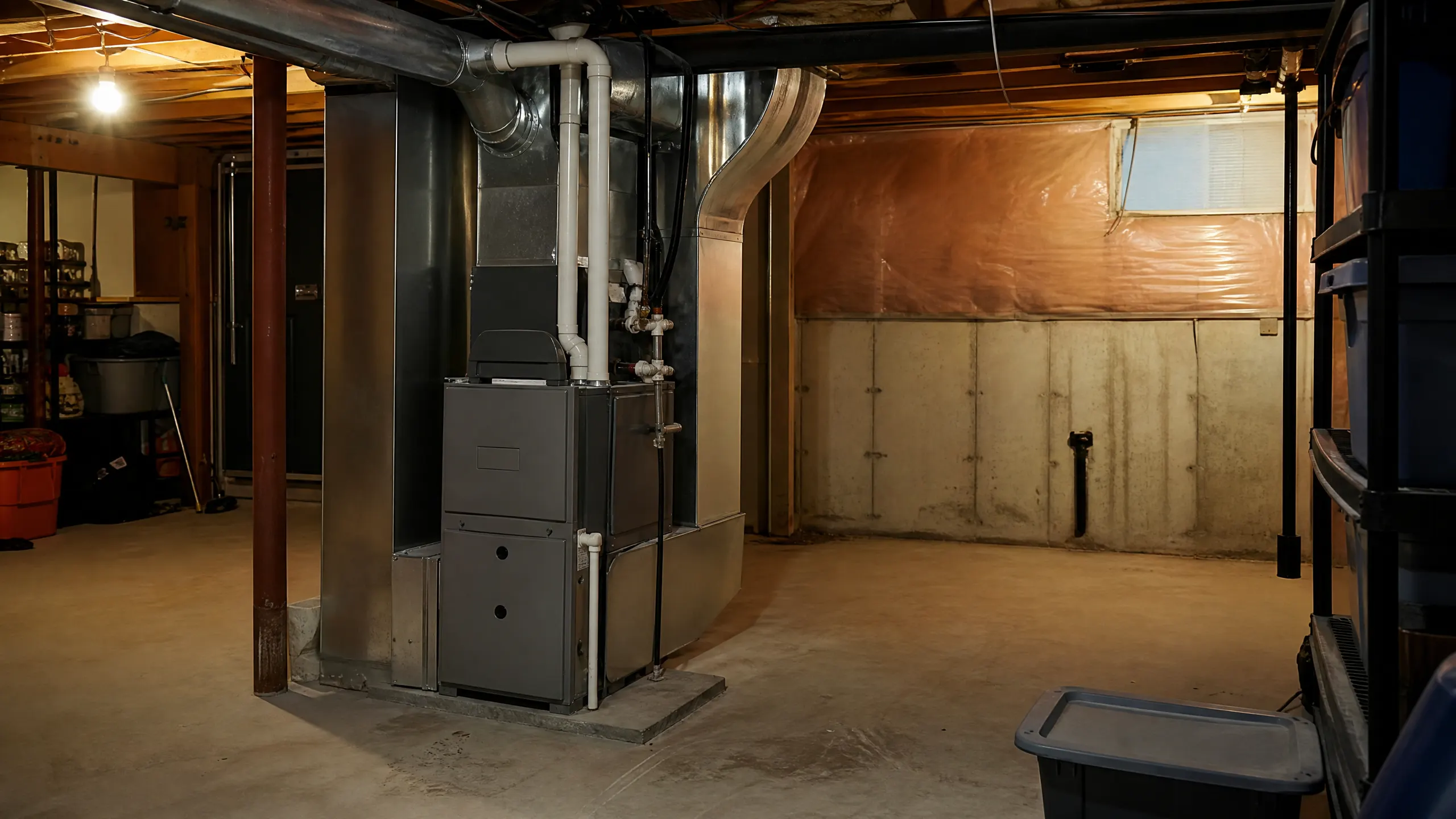
A new furnace and air conditioner would cut about $130 a year off heating and cooling for a typical Sevier County home.
Estimates for a typical Sevier County home, compared with an older unit built to the previous federal minimum, from EIA household energy data, Utah fuel prices and NOAA climate normals. Your home will differ.
Repair makes sense when one part has failed.
Replacement makes sense when the furnace's heat exchanger is cracked, the air conditioner's compressor has failed, or repairs keep coming.
Utah requires HVAC contractors to hold a state license.
The Division of Professional Licensing tests and records the contractor, not the job. That license stays with the person or business doing the work across every project they take on, so a contractor licensed to repair heating and cooling systems in Sevier County carries that same credential wherever they work in the state.
For a repair like this, that license is what stands behind the person in your house. Utah does carve out an exception for small jobs, work under $7,000 does not require a licensed contractor, so a minor fix could legally be done by someone without one. Anything larger than that falls back to the license itself as the state's record of who is qualified to do it.
Sources: Utah State Legislature · Utah Department of Commerce
- Why is my heat not working?
- Start with the thermostat. If the display is blank, check the batteries or the breaker before assuming the furnace itself has failed. A gas furnace that will not light is often the igniter or the flame sensor, both of which wear out over time and stop the furnace from starting a flame it can detect. If the blower runs but no warm air comes out, or you hear the system trying to start and shutting off again, that points to a part inside the furnace, and it is worth having a contractor look at it, especially with winter lows here averaging 17°F.
- Why is my system running but not cooling the house?
- Check the air filter first. A filter clogged with dust blocks airflow across the coil, and the coil can ice up when it does not get enough air moving through it, which stops it from pulling heat out of the house. If the filter looks fine, check that the outdoor unit's fan is spinning and that nothing is blocking it, since a coil covered in leaves or grass clippings cannot shed heat properly. If the air coming from the vents is barely cool or the outdoor unit is silent, that points to a refrigerant or compressor issue, and a contractor will need to check it with gauges.
- What can I check before calling for HVAC repair?
- Check the thermostat batteries and settings, the breaker for the system, and the air filter. A dead thermostat display, a tripped breaker, or a filter packed with dust are common reasons a system stops responding, and each one takes a minute to check. If the system is a furnace, listen for whether it tries to start at all. If it clicks and then shuts off, that is useful to tell the contractor since it points to the igniter or flame sensor rather than something electrical.