







Utah HVAC Pros

Is duct cleaning worth it in Utah

Skip calling around for someone who cleans ducts.

Start one form

Is duct cleaning worth it in Utah

Utah's dry climate means less mold risk than humid states, but the dust here is real. Between the dry summers and gas furnaces running all winter, you've probably wondered if your ducts are coating the inside of your house or if that's just how it looks after a windy week. You want to know if cleaning them actually changes anything before you spend an evening tracking down someone to do it.

For most Utah homes, it's worth it only if you have a specific reason to do it

Duct cleaning doesn't need to happen on a schedule. It's worth doing if you've had construction or renovation work that sent drywall dust into the vents, if you're moving into a house and don't know its history, or if you can see dust building up around the registers faster than normal. Utah's dry air means mold growth inside ducts is less common here than in humid states, so that's rarely the reason to clean them. Gas furnaces push a lot of air through the system all winter, and that air carries whatever dust is already in the ducts into every room. If nobody in the house has allergies and nothing unusual has happened to the ductwork, cleaning it on a whim won't change much.

Unfinished basement interior with exposed wooden floor joists, galvanized rectangular and round sheet-metal ducts, a gray furnace unit at left, and a large blank light-colored wall at right.

Where the dust actually comes from

Utah's dry air carries fine dust that works its way past door seams and window frames, and the return side of your duct system pulls a share of it in every time the blower runs. A furnace cycling for months on end moves that air over and over. The dust settles inside the ducts themselves, not just on furniture, which is why a system can look clean in the house and still have buildup running through the trunk lines.

Galvanized sheet metal ductwork with elbows and a vent grille running beneath an exposed wood joist and OSB ceiling, next to a blank white wall.

What a gas furnace adds to the mix

A gas furnace draws return air across the same coil and blower housing each cycle, and any dust in the ducts gets pulled through that path too. Over a full winter of regular firing, fine debris can settle on the blower wheel and coil surfaces, which makes the furnace work harder to move the same amount of air. Checking the return vents and the blower compartment for a gray film is a fair way to judge how much has built up.

Why does the house feel dusty days after you clean

If you wipe down the shelves and find the same film by the weekend, your ducts are likely part of it. Look at the supply vents in each room. A gray ring around the louvers means dust is riding the air coming out, not just settling from the room itself. Check the return grille too. If it's caked enough that you can write your name in it, that same dust is passing through the blower and back out into the house every cycle. Some households notice it more as a sneeze that only happens indoors, or a musty smell when the furnace first kicks on. None of this is dangerous on its own, but a duct system that's been coating itself for years is also coating the furnace parts behind it, and that's what eventually costs you.

A smiling woman with dark shoulder-length hair in a cream V-neck sweater sits at a marble counter with a glass of red wine, with a kitchen and softly lit living room behind her.
A woman in a dark green sweater laughs while seated at a marble kitchen island with a glass of red wine, with open shelving, cabinets and a living room visible behind her.
A woman with long dark hair in a cream knit sweater laughs while looking off to the side, seated at a counter with a glass of red wine, in a dimly lit living room with a sofa, lamp, framed pictures and houseplant behind her.
A smiling woman with long dark hair in a beige sweater sits at a marble kitchen counter with a glass of red wine, with a dimly lit living room behind her.

Skip the calls to every shop

Your duct cleaning request goes to one local pro.

Sending the form costs nothing.

When cleaning makes sense

If the gray ring around your vents keeps coming back a few weeks after you wipe it down, or you can see dust matted on the return grille, cleaning addresses what's actually sitting in the ducts. A house that just went through a remodel, or one where the vents haven't been touched since the system went in, usually has more built up than normal. A contractor who opens the ducts and finds a heavy coat of dust confirms it was worth doing. That's different from guessing.


When it's probably not the fix

If the dust is landing on furniture within days of cleaning, the ducts likely aren't the source. Utah's dry air carries fine particles through gaps around doors and windows faster than any duct system redistributes them, and no amount of cleaning changes what keeps coming in from outside. A dirty furnace filter left in place does more to recirculate dust than a few months of duct buildup. Replacing the filter and sealing obvious gaps may solve it before you ever call about the ducts.

Empty basement with bare concrete walls and floor beneath an exposed wood-joist ceiling carrying galvanized sheet-metal ductwork, round ducts and pipes.
Before you get your ductwork cleaning
Unfinished basement with bare concrete floor and walls, exposed wood joists, metal ductwork, a furnace unit, steel support posts, and a small window.
After you get your ductwork cleaning

You can keep wiping the same gray film off the shelves every few days and never get ahead of it, because the dust causing it keeps riding back out through the vents.

A cleaning clears what's built up in the ducts so the air coming out stops carrying it, but the dry air outside your windows and door seams will start adding more the day after.

Power costs 13.02 cents per kilowatt-hour statewide

At 13.02 cents per kilowatt-hour, running your blower more than it needs to doesn't swing your bill much. So cleaning isn't about cutting power costs. It's about whether the air moving through those ducts is clean.

EIA-861 2025 statewide residential average

  1. A technician inspects supply and return runs with a camera first.

  2. Vents and registers are sealed off except one access point.

  3. A negative air machine connects there to pull air through the ducts.

  4. A rotating brush or air whip knocks dust loose inside each run.

So the answer comes down to what's in your ducts, not a blanket yes or no. Gray rings on the vents that keep coming back, dust matted on the return grille, a house that just came through remodeling work: those are reasons to clean. A house with none of that can wait. Once you decide it's worth doing, finding someone to trust with it is its own task, calling around, explaining the same gray-ring problem three times, weighing one quote against another with no way to know who's actually good. A technician who works on duct systems around Utah all year, through the dry summers and the long furnace season, has seen what usually causes that film and knows what a camera inspection should turn up before any brush goes in. You're matched with one licensed local contractor for this, not a handful of companies competing for your callback, so the person who shows up already knows the kind of dust this state produces and why your vents look the way they do.

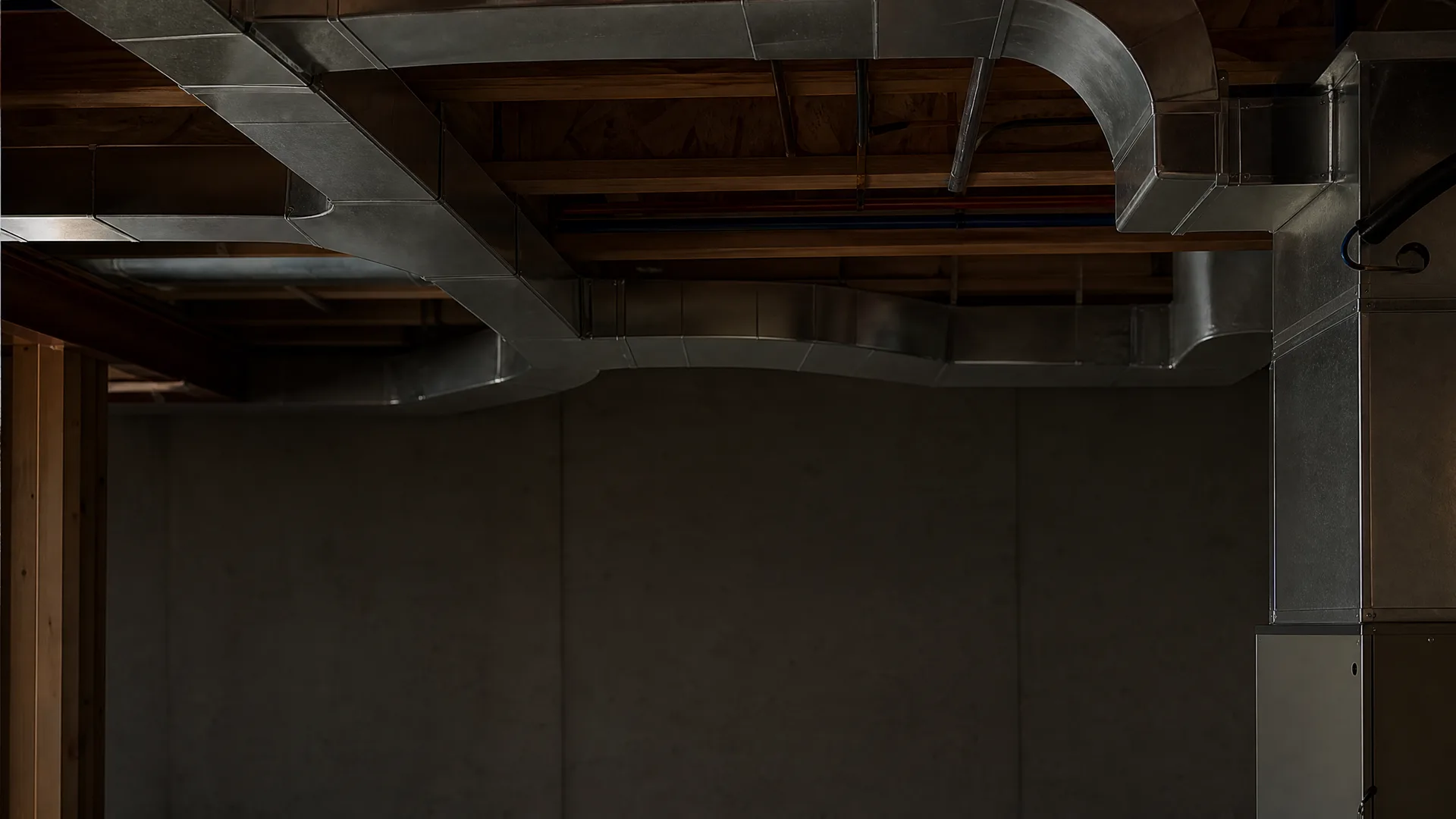
Dimly lit interior showing galvanized sheet-metal HVAC ductwork running below a wooden joist ceiling above a dark gray wall.

Skip calling around

Only one pro gets your request, so you hear from one company.

Duct and vent cleaningDucts or ventsUtah
Step 1 of 2

What ZIP code is the job in?