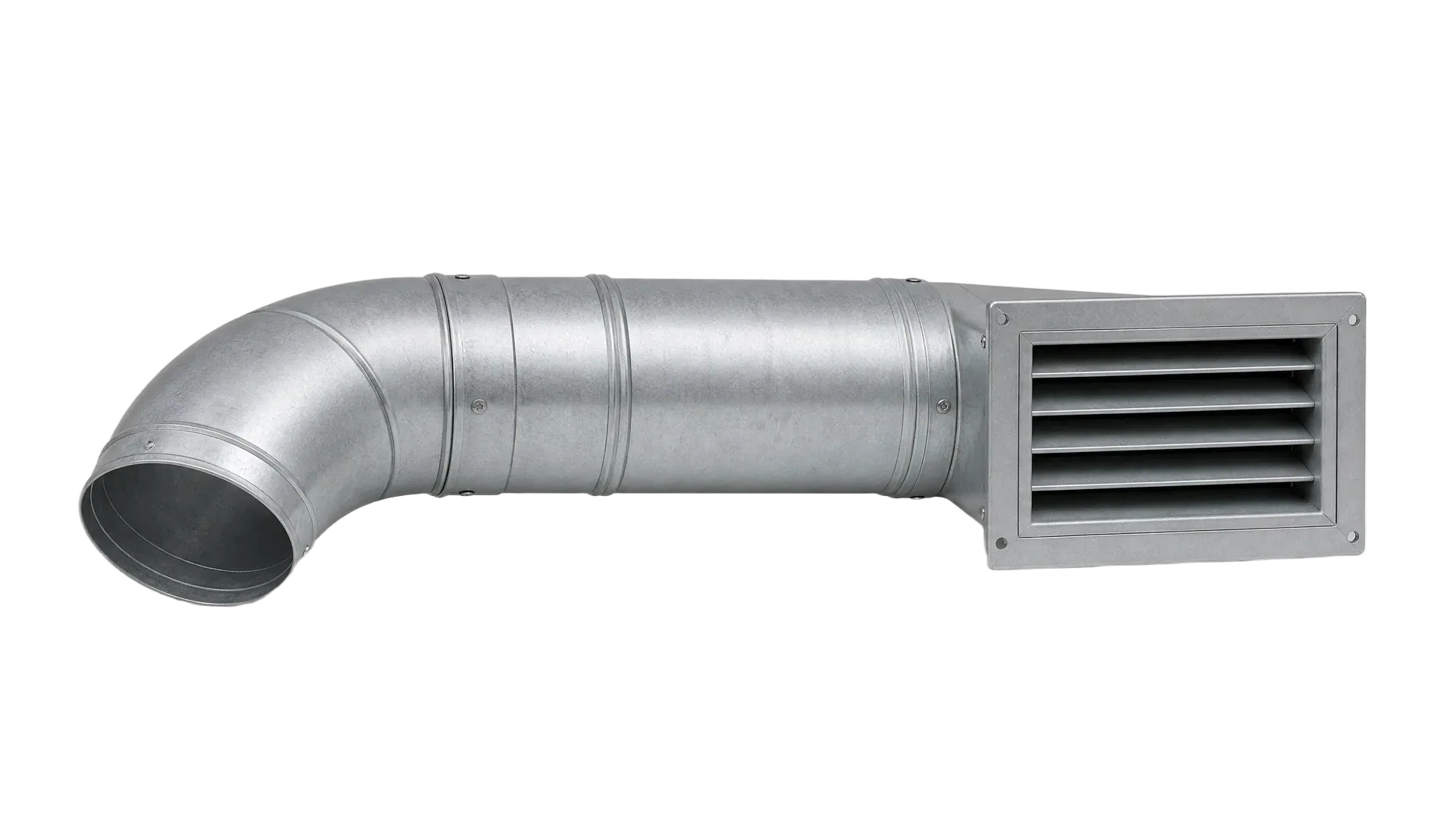
Ductwork that's clear
Sheet-metal ducts like these should move air without adding anything to it. No dust ring at the seams, no buildup on the joists nearby. Air goes from the furnace to your rooms and that's the whole job.
Dust coming back within a day or two of cleaning, a musty smell when the furnace or AC kicks on, and more dust on furniture than you remember are the usual signs your ducts need cleaning. Utah's dry summers pull a lot of fine dust into the system through the return air, and it settles in the duct runs where it gets stirred up every time the blower starts. If you see dust or debris blowing out of the vents themselves, that is a clearer sign than dust on surfaces, since some of that is just the house. Rooms that run dustier than others, or a furnace filter that looks gray again within a couple weeks of changing it, both point the same direction. None of this is urgent the way a gas smell is, but it is worth having someone look at the duct system itself rather than just swapping filters and hoping it settles down.
At 13.02 cents a kilowatt-hour, running the blower longer than it needs to costs you something every month. Clogged ducts make the fan push harder and run longer to move the same air. Clean ducts let it shut off sooner.
EIA-861 2025 statewide residential average
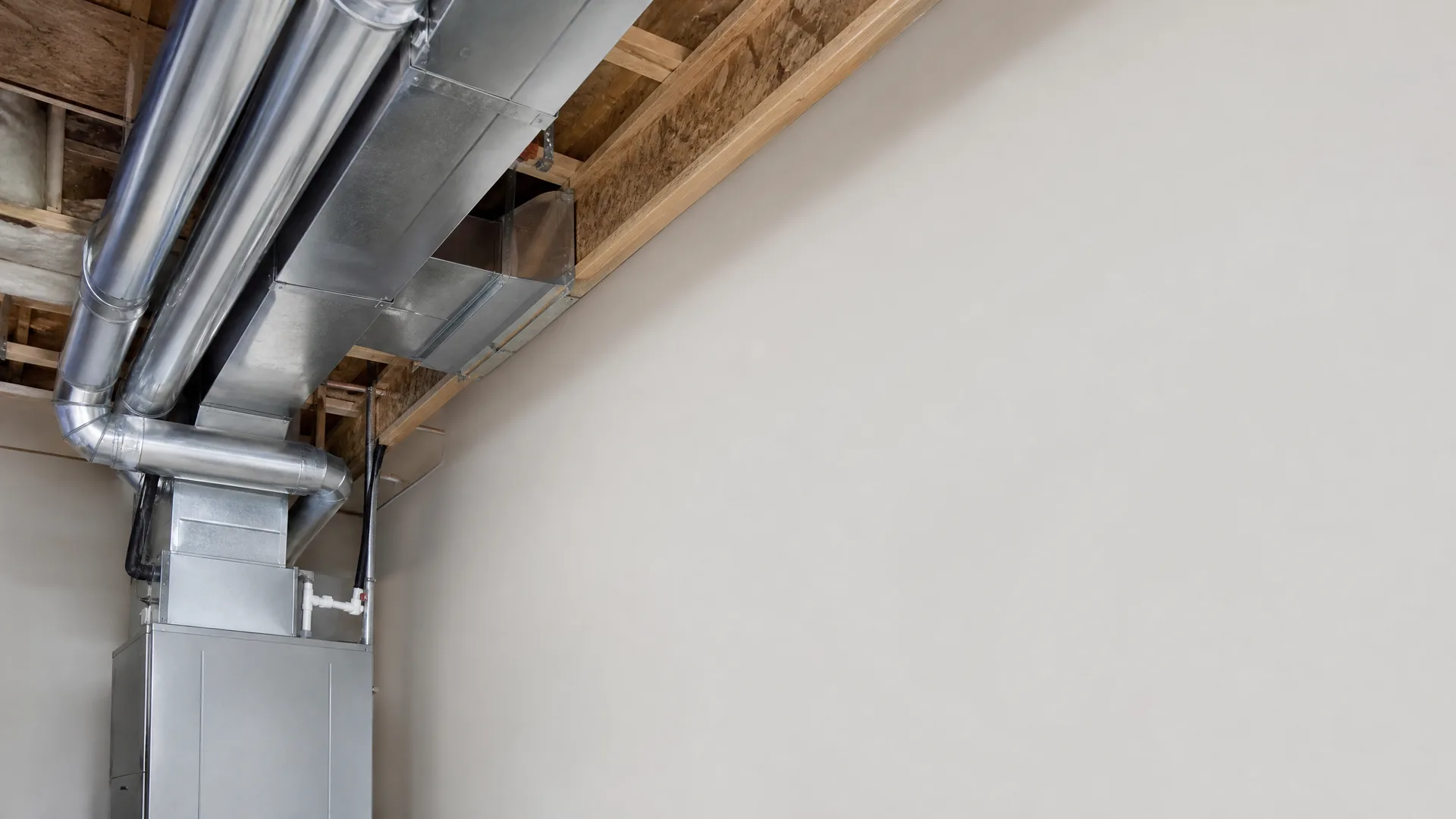
Wipe a shelf clean and check it again two days later. If it's gritty already, the air moving through your ducts is carrying more than it should. That dust is coming from somewhere, and if the filter is doing its job, the ducts themselves are the likely source. This shows up more in summer here, when dry outdoor dust works its way into the system through any gap it can find.
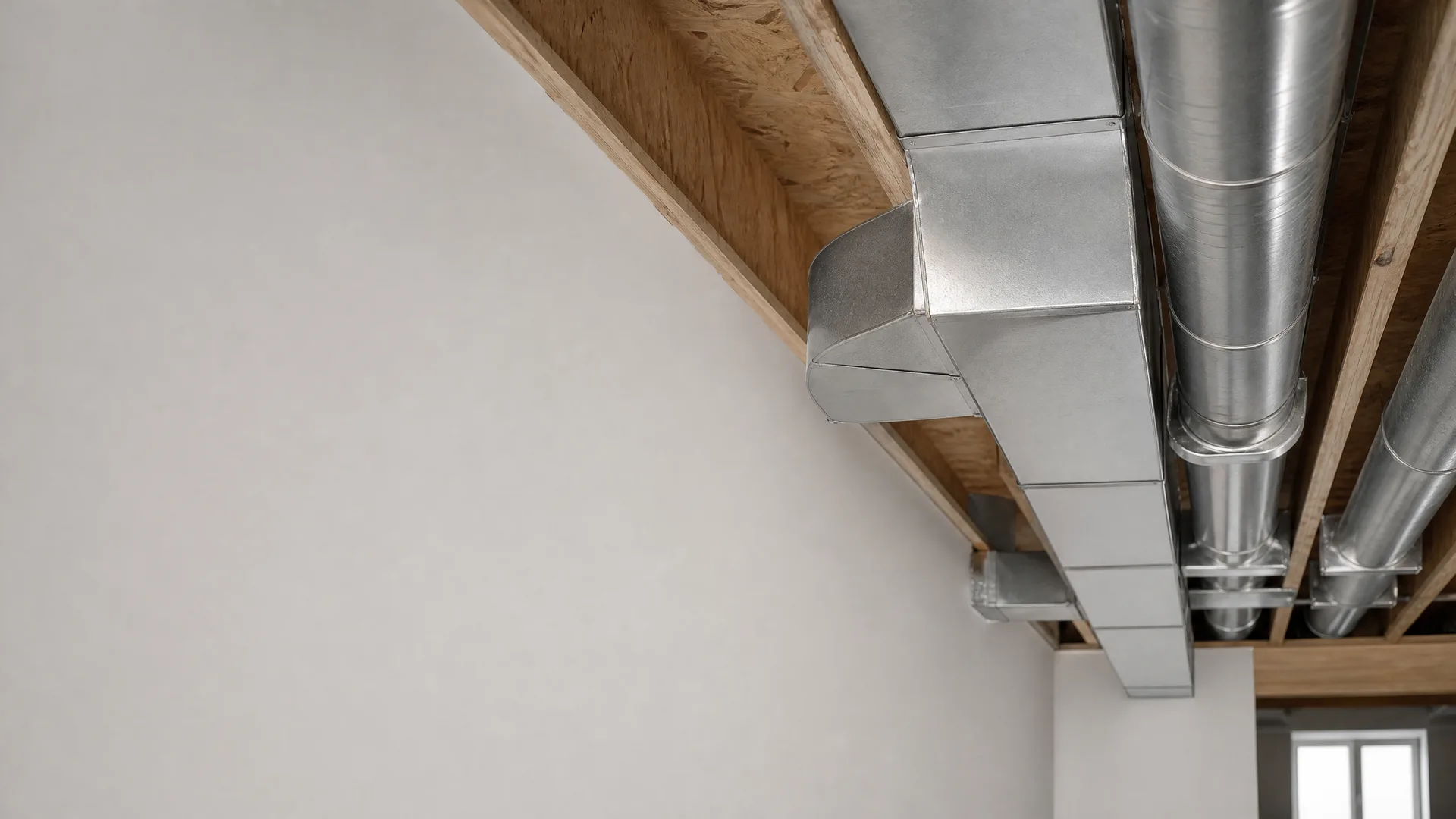
Turn on the furnace or the AC and notice if a stale, musty smell comes through the vents for the first minute or two, then fades. That's air moving past something sitting in the ductwork, not the equipment itself. A gas furnace that smells like dust burning off each fall is normal. A smell that lingers past the first few minutes, or shows up with the AC too, points to the ducts.

A dusty duct system in a dry Utah summer means the furnace fan and the AC blower are both working through it, since they share the same ductwork. Whatever is riding in that air settles on your registers, your furnace's blower wheel, and the coil if you run central air. A coil caked with dust doesn't transfer heat the way it should, and that's part of why the system runs longer to do the same job.
There's also the part you breathe. If anyone in the house has allergies or asthma, dust circulating all summer is going to show up in how they feel at home, not just on the furniture. You don't have to sort out whether it's the ducts, the furnace, or something else causing it. Get matched with a contractor who looks at your actual system and tells you what's going on, instead of you calling around Utah explaining the same thing to five different companies.


Sheet-metal ducts like these should move air without adding anything to it. No dust ring at the seams, no buildup on the joists nearby. Air goes from the furnace to your rooms and that's the whole job.

The same metal ducts, but look closer and you'd find dust coating the inside of the runs and settled along the seams. Every time the blower kicks on, some of that rides out into the rooms it feeds.


Answer a few questions about the duct cleaning and skip the search.
You only hire the pro if you want to.
A duct system is just sheet metal moving air from the furnace or AC to your rooms. When dust and debris build up inside, the path gets narrower and the air moving through it meets more resistance. The blower has to push harder to get the same amount of air out of the registers. Rooms farther from the furnace end up with weaker airflow than rooms close to it, even though nothing changed about the equipment itself. That uneven airflow is often mistaken for a furnace or AC problem when the real holdup is the ductwork carrying less air than it was built to carry.
Dry air holds dust instead of letting it settle, and Utah's low humidity through the summer keeps fine particles moving through the house rather than falling flat. That same dust gets pulled into return vents and carried through the ductwork every time the blower runs. Since most homes here heat with gas, the same ducts handle both the furnace in winter and the AC in summer, so whatever builds up doesn't get a break between seasons. A duct system working to move air through buildup runs longer to hit the same temperature, and in a state with cheap power, that extra runtime still shows up as extra hours on the blower motor.


The signs add up to one question: is the air moving through your ducts clean, or is it carrying a load. Dust back within a day or two, a musty smell at startup, grit on a shelf you just wiped down. Any one of those is worth paying attention to. Utah's dry summers make this worse than it might be elsewhere, since fine dust gets pulled into the system on top of whatever the filter misses. Once that buildup is in the ducts, it doesn't stay still. The blower pushes against it to move the same volume of air, which means it runs longer than it should, and at 13.02 cents a kilowatt-hour that extra runtime is on the power bill every month. It also means the furnace and the AC are both working through the same dirty ductwork, since they share it, so the problem doesn't stay confined to one season. Sheet metal is supposed to do one job: move air from the furnace to your rooms without adding anything to it. A dust ring at a seam or buildup near the joists means it's doing more than that. None of these signs need special tools to check. A clean shelf, a sniff when the system kicks on, how much dust lands on the furniture between cleanings. If you're seeing them, the ducts are telling you something plainly, and it's worth acting on.




A local pro for your ductwork cleaning
Answer a few questions instead of calling shop after shop.

