
Ductwork moving dry air
This is what ductwork looks like when it's not holding onto moisture. The runs stay dry inside, air moves through clean, and there's nothing on the metal for mold to grow on. No smell comes off a system in this shape.
A musty smell from your vents in Ogden usually points to moisture sitting somewhere in the duct system, and it will keep coming back until something in there gets cleaned out. Dry Weber County summers and hard winters mean that system runs most months of the year, pulling that smell through the house every time the furnace or AC kicks on. Figuring out whether it is the ducts, the coil, or something else takes someone who can actually look. Finding that person yourself means searching, calling a few companies, explaining the smell and when you notice it most, then waiting on quotes to compare. This page skips that part. Answer a few questions about your home and what you are smelling, and a contractor who covers Ogden and the surrounding area will reach out to you directly. No more sorting through search results or playing phone tag during business hours. You get matched, then you get a call.
A musty smell from your vents usually means moisture is sitting on something inside the ductwork and mold or mildew is growing on it. Most often it is the evaporator coil, which stays wet whenever the AC runs, or condensation collecting in the drain pan and nearby duct runs. Dust and debris in the ducts give it something to grow on, and once that growth is established, it releases that smell every time air moves past it, whether the system is cooling or heating. In Ogden, the system switches between the two often enough that the ducts rarely get a real chance to dry out and stay that way. The smell itself is not the damage. It is a sign that mold or mildew has a foothold somewhere in the system, and the longer it sits, the more it spreads through the ducts and the more of that air you are breathing. A duct cleaning removes what is growing in there. Spraying a scent or changing the filter does not reach it.

Running the fan on its own for a few hours can dry out the coil enough that the smell backs off for a while. That is why some homes notice it mostly at startup, when the system has been off and moisture has had time to sit. It is not gone. The growth is still there on the coil or in the pan, and the first humid stretch brings the smell back through the vents.
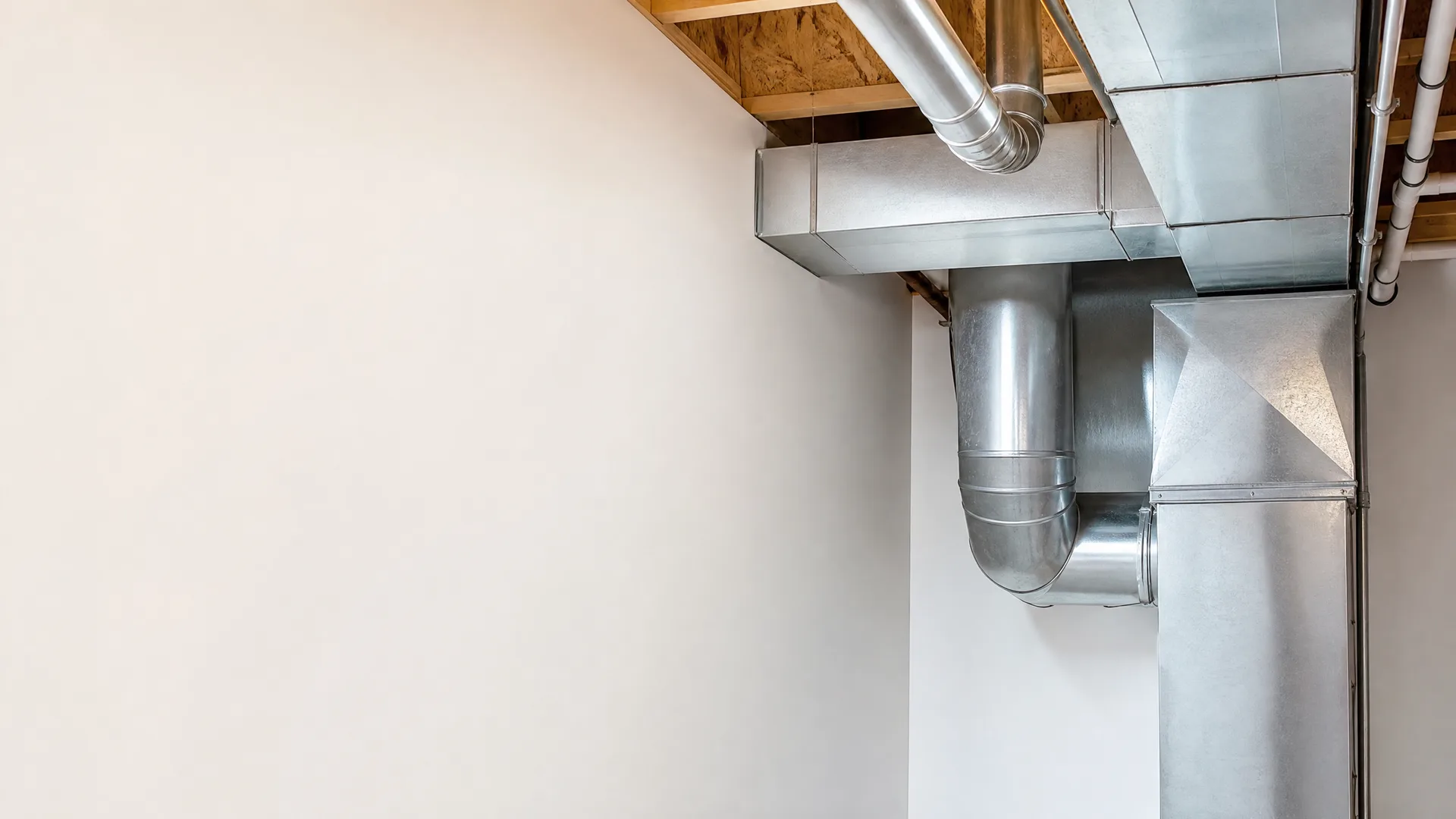
Dust and skin cells settled in the ducts give mold something to feed on once moisture reaches it, even if the coil itself gets cleaned. A duct system runs sealed and dark, so nothing inside it dries quickly on its own. Whatever moisture gets in by way of a leak, a humid return line, or condensation carried down the duct run stays until it is physically removed.
Half the homes here were built by 1984
Heat runs about ten months a year here, September through June, so the furnace and its ductwork barely get a dry stretch to shake off moisture.
Heat runs September through June
Cooling only runs July and August, but that's enough for the coil to stay wet most summer days and give mold something to grow on.
Cooling runs July through August
Half the homes in Weber County were built in 1984 or earlier, so the ductwork behind your walls may be original and never cleaned.
ACS 2020-2024 · NOAA nClimDiv 1991-2020
You run the fan for a day and the smell backs off, so you figure it sorted itself out and leave it alone.
The moisture is still on the coil or in the drain pan. It will build back up and the smell will be back within days.




A musty smell that won't quit on its own means tracking down where the moisture is sitting and getting it cleaned out, and that usually takes someone who can get into the ductwork, the coil and the drain pan, not just run a can of deodorizer through the vents. Finding that person yourself means calling a few duct cleaners, explaining the same smell and the same system three or four times, and sorting through quotes that aren't really comparable because nobody looked at the same thing. Submit the request above and one contractor who works on duct systems in Weber County takes it from there and reaches out to you directly. You still have a system that's going to run most of the year, through a dry summer and a long winter, and that moisture is going to keep finding its way back onto the coil unless someone actually deals with it. Handing off the search now just means you're not the one making those calls.
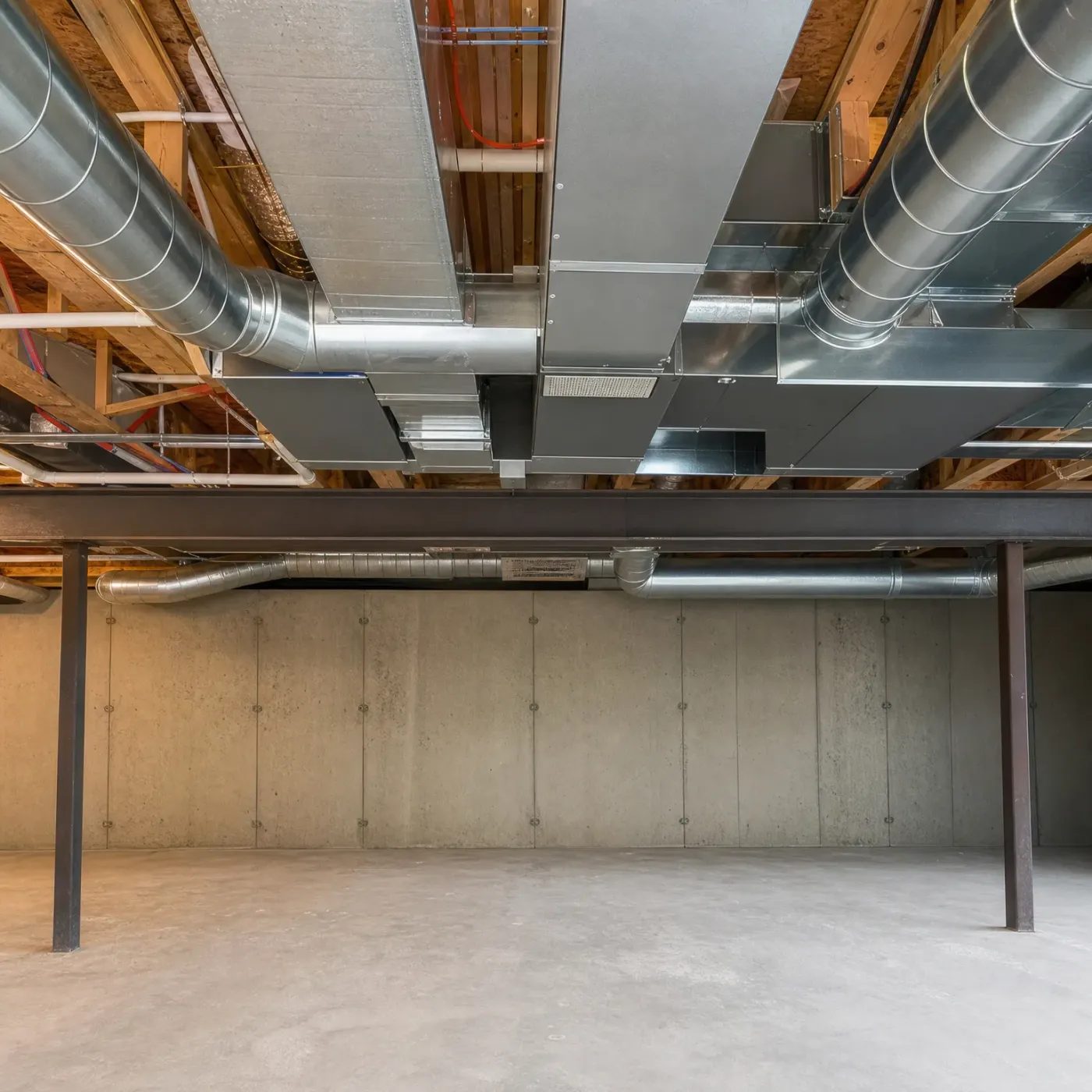
This is what ductwork looks like when it's not holding onto moisture. The runs stay dry inside, air moves through clean, and there's nothing on the metal for mold to grow on. No smell comes off a system in this shape.
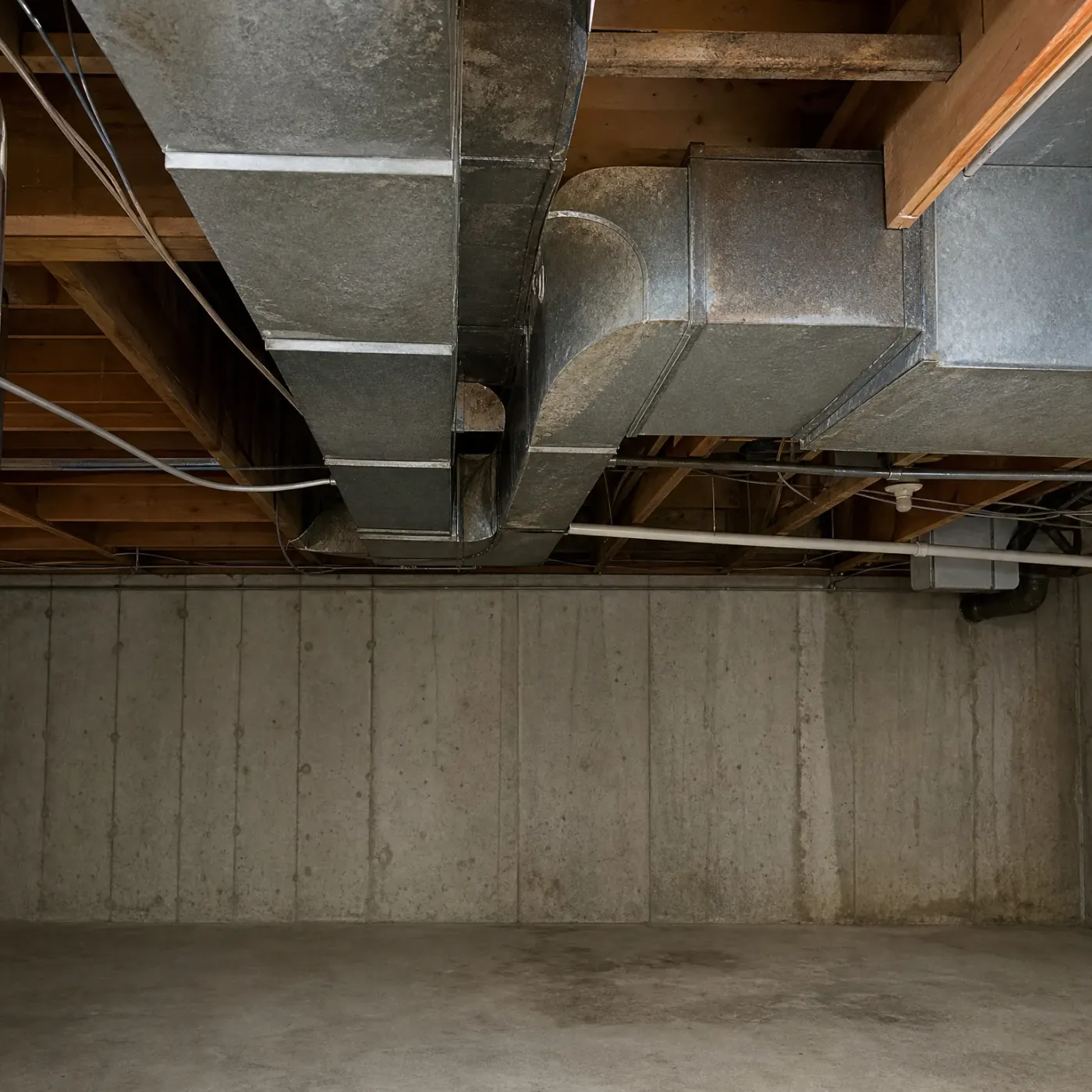
Once moisture collects somewhere in a run like this, it doesn't dry out on its own. It sits against the metal, mold takes hold, and every time air moves through, the smell comes with it.
You notice it most when the furnace or AC first starts up, then it seems to fade. You might catch it strongest in a bedroom at night or when you walk into the house after being out. Some rooms smell worse than others depending on which vent is closest. If you've had to run a fan or open windows to clear a room before it feels normal, that's not nothing. Mold sitting in the ductwork or on the coil doesn't stay put. It gets pushed through the house every time the system runs, and anyone in that house with allergies or breathing trouble is going to notice it before you do.
Moisture collects on the evaporator coil or sits in the drain pan.
Mold and mildew start growing on that wet surface.
The blower pushes air across the moldy coil and through the ducts.
Air carries the smell out through every vent in the house.


At 13.52 cents a kilowatt-hour, running the blower longer than normal to dry out your coil after the smell shows up won't hit your bill hard. It's cheap enough that there's no reason to let the smell sit instead of dealing with what's causing it.
EIA-861 2025


The smell has one cause: moisture sitting on the coil or in the drain pan, with mold growing on it, and air carrying that smell through the vents every time the system runs. Weber County doesn't give the ductwork much of a break, ten months of heat and two months of cooling, so the moisture keeps coming back before it ever fully dries out. Running the fan buys a few days of relief at most. The smell returns because nothing was actually cleaned off the coil or out of the drain pan.
Getting it handled means someone who can get into the duct runs themselves, not a service that just masks the smell. Finding that contractor on your own usually means searching through listings, calling a few companies to ask whether they actually clean coils and drain pans or just spray a deodorizer, and then explaining the same thing again on each call, when it started, which rooms it's worst in, whether it fades and comes back. Then there's comparing what each one quoted and what they said they'd actually do.
Getting matched with a contractor who handles this skips that part. You explain the smell once, to the person who's going to look at it, and they reach out to you instead of you working down a list. The moisture on that coil or in that pan isn't going anywhere on its own. Someone has to clean it off, and that's the part worth getting to without the extra legwork.
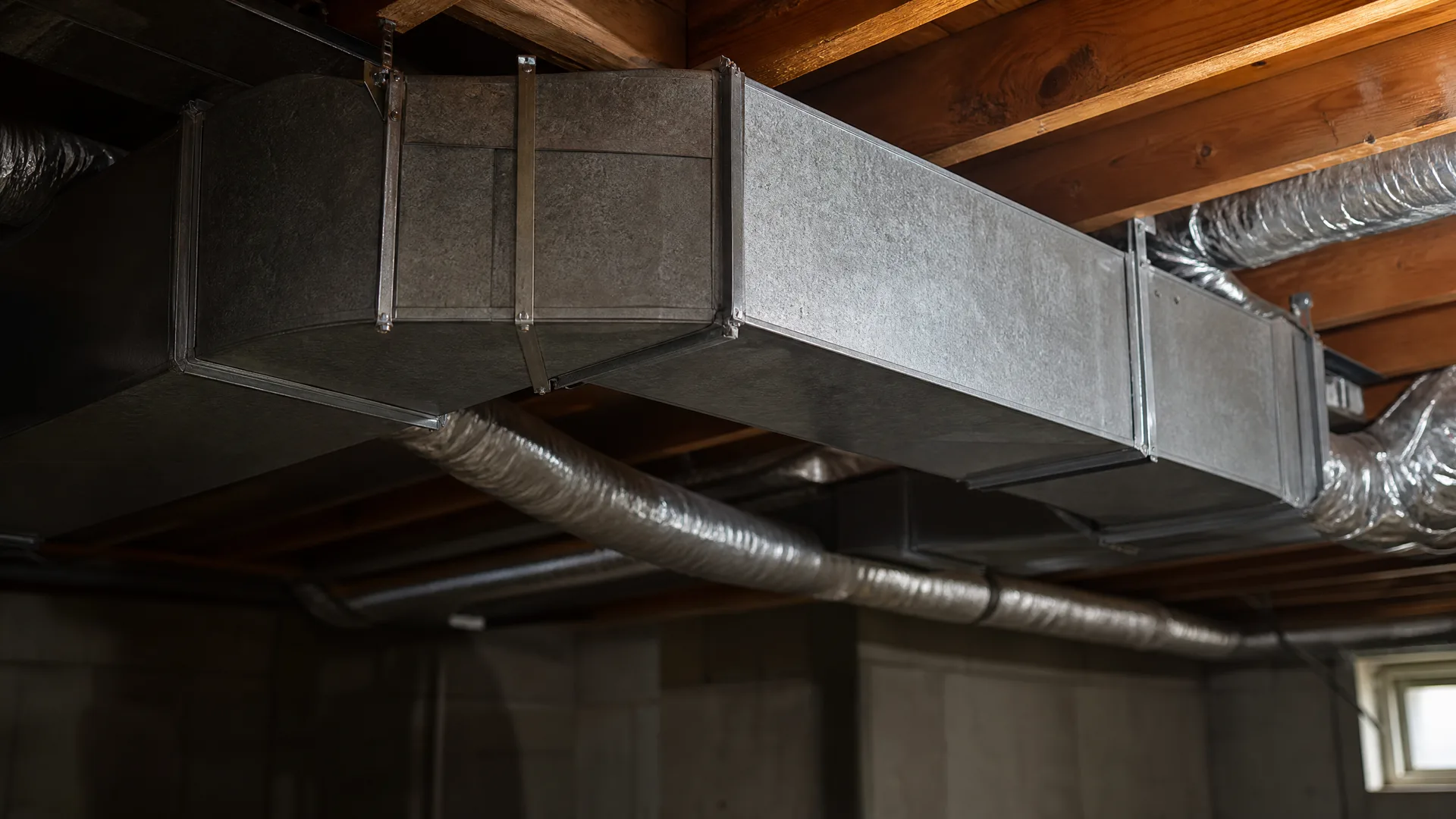
Find a duct system cleaning pro in Weber County