Profile view of a bearded man wearing a dark green baseball cap and a dark gray T-shirt against a plain light background.

Why your furnace rattles in Utah

RepairFurnace or heatingUtah
Step 1 of 2

What ZIP code is the job in?

A rattling furnace usually means something has come loose, not something about to fail outright. The blower wheel can work itself unbalanced over years of running, and loose panels on the cabinet will buzz against the frame every time the blower kicks on. Ductwork expands as it heats up and contracts as it cools, and where a duct run isn't strapped down tight, that movement makes a ticking or rattling sound you hear through the vents. A cracked heat exchanger can also rattle, and that one matters, since it can let combustion gas into the air you breathe. With gas heat running for months on end here, these parts see a lot of cycles, and loose screws or worn mounts show up over time. If the rattle is new or getting louder, it's worth having someone look at the furnace before you run it again, especially overnight with everyone home.

A beige high-efficiency furnace in an unfinished basement, with white PVC vent pipes, a yellow gas line, metal ductwork, and exposed wood framing on a concrete floor.
A quiet furnace means every panel is seated tight and the blower wheel is still balanced and true.
An older beige furnace with two louvered vent panels stands on a concrete basement floor, connected to galvanized ductwork and a metal flue pipe, with gas piping and flexible conduit on the wall behind.
Loose panels and an unbalanced blower wheel turn into a rattle that gets louder every time the burner fires.

Most rattles start with something simple. The blower door or the burner access panel sits on screws or clips, and if one is left half-seated, it buzzes the moment the blower kicks on. Through a Utah winter, a furnace cycles on and off dozens of times a day, and each cycle gives a loose screw another chance to back out further. Inside, the blower wheel rides on a motor shaft held by a set screw. If that set screw loosens, the wheel shifts slightly and starts knocking against the housing around it. A cracked or warped blade on that same wheel throws it out of balance too, and the rattle will speed up or slow down with the blower itself. Ductwork plays a part as well. Sheet metal attached directly to the cabinet expands as warm air pushes through it, and that movement can tick or rattle against the supports holding it up. One more thing to listen for: the inducer motor, which pulls combustion gas out through the vent before the burners even light. A worn bearing in that motor often rattles right at startup, then either quiets down or gets worse.

What's Actually Loose in There

  • The blower door and the burner access panel are held by screws or clips, and either one left half-seated will buzz the second the blower starts.
  • A furnace cycles on and off dozens of times a day through a Utah winter, and each start-up gives a loose screw one more chance to work its way out.
  • The blower wheel sits on a motor shaft, and if the set screw holding it backs out, the wheel shifts slightly off-center and knocks against the housing.
  • Sheet metal ductwork attached straight to the furnace cabinet expands as warm air moves through it and can tick or rattle against its supports.
  • A cracked or warped squirrel cage blade throws the whole wheel out of balance, and that shows up as a rattle that tracks with blower speed.
  • The inducer motor pulls combustion gas out through the vent before the burners light, and a failing bearing in that motor rattles at startup before settling or getting worse.
A woman with long wavy brown hair in a grey ribbed sweater sits on a couch indoors, looking toward a window, with a potted palm-like plant and fireplace behind her.
A woman with long brown hair wearing a green V-neck top and beige cardigan sits on a light sofa, looking off to the side, with a dining table, lamp and framed picture in the background.
A woman with long dark hair in a cream knit sweater sits on a beige sofa indoors, looking toward a bright window with a houseplant and framed picture in the background.
A woman with long dark hair in a green knit sweater sits on a couch indoors, smiling and looking toward a window with a blurred room behind her.
A gray high-efficiency furnace in a basement, connected to sheet-metal ductwork on the left and white PVC vent pipes above, with black gas and drain piping and an exposed wood-stud wall with OSB sheathing on the right.

Running the way it should

Every panel sits flush against the cabinet and the screws are snug. The blower wheel spins true, so the air moves through the ducts without slapping anything loose along the way. You can stand next to it while it runs and hear mostly just air.


An older gas furnace with two louvered front panels stands on a concrete basement floor beside galvanized sheet-metal ductwork, pipes, and a weathered concrete wall.

Something's worked loose

A panel standing a little proud of the frame, or a blower wheel that's gone out of balance, turns into a rattle you notice from the next room. On an older unit like this, moisture on the walls nearby won't cause the noise, but it's worth having looked at while a contractor's already there.

Is that rattle something you need to deal with tonight?

Listen for where it's coming from. A rattle from the cabinet itself, especially right when the burner lights, is usually a panel or a screw. A rattle that comes and goes with the blower speed, or sounds more like a scrape or a knock, points to the blower wheel. You might also notice the sound changes as the furnace runs longer, starting quiet and getting louder over the course of a cycle. None of that means the furnace is about to quit on you in the middle of a cold night. But a loose panel left alone can work its screws looser still, and a blower wheel that stays unbalanced puts wear on the motor bearing it wasn't built to take.

A gas furnace with two gray access panels stands against a plain wall in a basement, connected to sheet-metal ductwork, white PVC vent pipes, and a yellow gas line.

Why cold air makes it worse

Sheet metal ducts shrink a little as cold air moves through them, and that shift is enough to loosen a screw that was already working its way out. A furnace running through a Utah winter night pushes air through the same ducts dozens of times, and each cycle flexes the metal again. A panel that sat quiet in October can start rattling by January without anything actually breaking. It's wear finding the weak point, not new damage.

A gray high-efficiency furnace in a basement corner with white PVC vent pipes, copper and black gas piping, and sheet-metal ductwork beside a plain white wall and wooden stair framing.

What the blower wheel is doing

The blower wheel is the fan that pushes heated air into your ducts, and it has to spin true to move air without noise. Dust and debris settle unevenly on the blades over months of running, and that uneven weight is what throws it off balance. Once it's off balance, the wheel wobbles slightly with every rotation, and that wobble is what you hear as a rattle that tracks with fan speed. A contractor can clean or rebalance the wheel without replacing it.

Does a rattling furnace mean it's about to break down?

You hear the rattle every time the burner kicks on and your mind jumps to the worst case: a furnace on its way out, right when you need it most. Nobody wants to be caught without heat on a cold Utah night. Before you brace for a breakdown, it helps to know what a rattle actually tells you about the furnace and what it doesn't.

No, a rattle on its own doesn't mean the furnace is failing

A rattle is noise, not a diagnosis. Most of the time it's a loose panel or a screw working its way out, something mechanical and fixable, not the burner or heat exchanger giving out. Furnaces don't go from rattling to dead overnight. What matters is whether the rattle changes. If it's been the same sound for weeks and the furnace still heats the house the way it should, it can wait for a regular service call. If it gets louder, comes with a burning smell, or the furnace starts cycling oddly, that's different, and worth having looked at sooner rather than later.

An older woman with gray hair in a bun and glasses, wearing a beige knit sweater, smiles while looking to the side in a warmly lit kitchen, with a loaf of bread on the counter in the foreground and a snowy scene outside the window.
A woman and a child wrapped together in a knitted gray blanket on a couch, with the child's head resting on her shoulder and a lit table lamp and houseplant in the background.

A local pro for your furnace repair

Send the request today and let a furnace pro reach out to you.

No fee to send it, and nothing to sign.

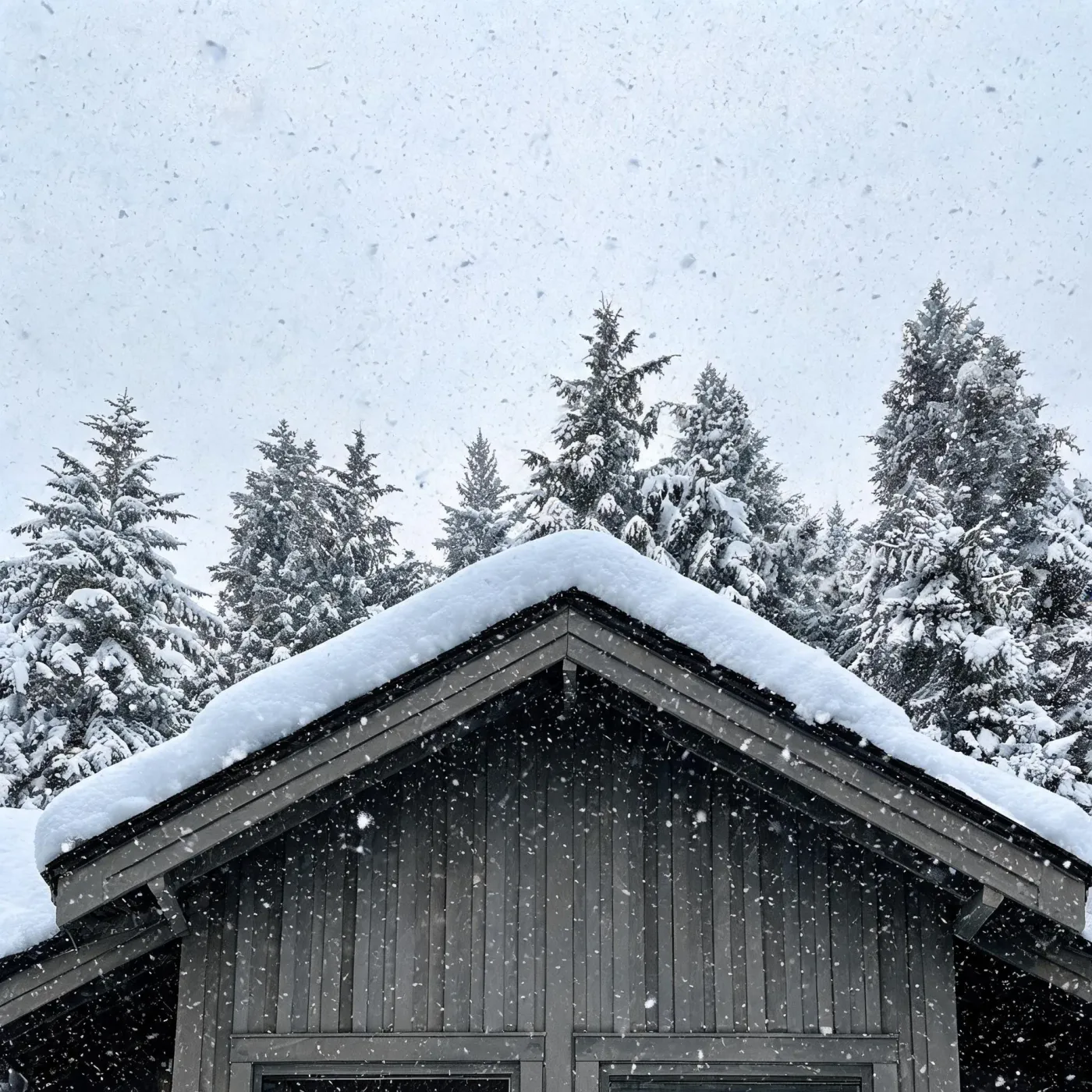
The gable end of a dark wood-clad building with a thick layer of snow on its roof, with snow-covered conifers and falling snowflakes behind it under a pale sky.

Winter nights average 21°F statewide, according to NOAA climate data. That kind of cold keeps your furnace cycling most of the night instead of running a short stretch and shutting off. Every one of those cycles flexes the ducts and jars the cabinet a little more, so a screw that was already loose works its way looser and a rattle that was faint in October gets harder to ignore by January. If yours has started rattling, the cold isn't causing the problem, but it's giving an existing one more chances a night to show itself.

NOAA nClimDiv 1991-2020 county normals weighted by homes

Ride It Out or Call Someone

Leave it alone

  • A rattle that only shows up on the coldest nights and disappears by morning is likely just the ductwork flexing, not a part working loose.
  • If the sound stays the same pitch and volume every time the burner fires, it probably isn't getting worse.
  • A furnace that rattles but still brings the house up to temperature on schedule is still doing its job.
  • Tightening an exposed panel screw yourself, if you can reach it safely, sometimes solves it without any other work.
  • A new rattle after a filter change often just means the panel wasn't seated back the same way, not a mechanical problem.

Get it looked at

  • A rattle that's gotten louder over a few weeks points to a blower wheel working further out of balance, not a one-time noise.
  • Metal-on-metal grinding or scraping, instead of a buzz or rattle, usually means something is hitting a part it shouldn't.
  • A rattle paired with the burner shutting off early or short-cycling is worth having checked before a cold night tests it further.
  • If tightening every panel you can reach doesn't quiet it, the noise is coming from inside the cabinet, not the exterior.
  • A rattle that starts right as winter's steady overnight cycling begins, rather than during a single cold snap, suggests a part has already loosened enough to matter.
A gray high-efficiency furnace with white PVC vent pipes stands against a concrete basement wall beside sheet-metal ductwork, a small condensate pump on the floor, and exposed wood framing at left.

A furnace that's not giving you trouble

This one sits clean on the slab, flue pipes and ductwork all seated tight, condensate pump quiet at the base. Nothing loose to catch cold air moving through the cabinet. You'd walk past it in the basement and never think twice.

A gray sheet-metal furnace with flue pipe and adjacent ductwork stands against a stone basement wall on a concrete floor, with white PVC and metal pipes running nearby.

A furnace working against its own age

Gas lines, flex tubing, and condensate pipes crowd a cabinet set against bare stone and block. Older rooms like this shift more with temperature, and a furnace running through a Utah winter night in one has more surfaces nearby to rattle against.

Winter nights average 21°F statewide

At 21°F, your furnace is running long stretches most winter nights, not just a quick burst here and there. All that extra run time means more cycles flexing the cabinet and ductwork, which is exactly when a loose panel or screw starts to rattle.

NOAA nClimDiv 1991-2020 county normals weighted by homes

What the rattle comes down to

  • Most rattles trace back to a loose panel, a working screw, or a blower wheel that's lost its balance.
  • None of those three things will strand you without heat, but they won't quiet down on their own either.
  • Cold nights near 21°F keep the furnace cycling for hours, and every cycle works a loose part a little looser.
  • A rattle that changes pitch with the blower speed points to the wheel, while a steady clatter at ignition points to the cabinet.
  • Checking where the sound comes from tells you more than how loud it is.
  • Getting it tightened or balanced before the next cold snap is the only way the rattle actually stops.

A rattling furnace almost always comes down to something loose, a panel, a screw, or a blower wheel that's drifted out of balance. None of those will leave you without heat tonight, but Utah winter nights don't give a loose part any reason to settle back down. Statewide, nights average 21°F, and that kind of cold keeps a furnace cycling for hours at a stretch. Every one of those cycles works whatever's loose a little looser, so a rattle that started faint in November is rarely still faint by January.

Where the sound comes from tells you more than how loud it's gotten. A rattle that shifts pitch as the blower speeds up or slows down usually points to the wheel itself losing its balance. A steady clatter that starts the moment the burner fires is more often a panel or screw working free from the cabinet. Either way, the fix is the same kind of job: something needs to be tightened, reseated, or balanced back out, and it's not something that corrects itself with time.

The sound isn't a sign your furnace is failing. It's a sign something inside it has come loose enough to notice, and the cold is going to keep finding it. Once you send the form, you're done tracking down who can look at it. A contractor who handles this kind of repair takes it from there, and the only thing left on your end is waiting for the quiet to come back.

Sunlight falls across a beige upholstered sofa with a textured woven cushion and a chunky knit throw, beside a dark wood cabinet holding a ceramic vase with green leafy branches, near a white-framed window.
A sunlit corner of a room with a wooden side table holding a ceramic vase of green foliage and a wooden bowl, beside a light upholstered sofa with a knit throw and rust-colored pillow, with window shadows cast on a beige wall.
A sunlit room corner with beige walls, a white-framed window with sheer cream curtain, wood floor with a light rug, and a woven basket holding a knit blanket.
A beige ceramic vase holding a leafy green branch sits on a wooden cabinet in a corner, with sunlight through a sheer curtain casting leaf shadows on the wall.
A grey upholstered sofa with a rust-orange velvet cushion and a textured throw sits beside a window with linen curtains, next to a wooden side table holding a pale ceramic vase of olive branches.

Get the right pro for your furnace

Get the furnace repair search off your mind today.

Hand off my repair

Sending the form costs nothing.